
Google Android Show 2026: Gemini AI, Android 17, Smart Glasses and More Major Announcements
Google used its Android Show: I/O Edition 2026 event to unveil one of the company’s biggest Android transformations in years.
The central focus of the event was clear:
Artificial intelligence is no longer being treated as an add-on feature. Google now wants Android itself to function as what it calls an “intelligence system.”
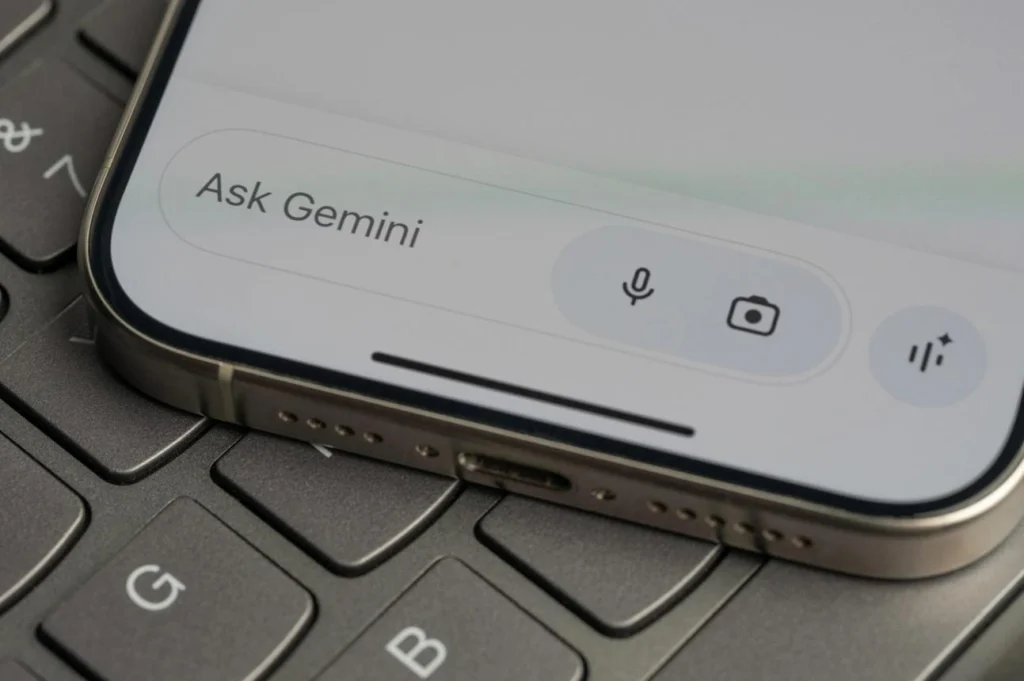
At the center of this strategy is Gemini, Google’s AI platform, which is now expanding deeply across phones, tablets, laptops, cars, and future wearable devices.
The announcements made during the event suggest Google is attempting to fundamentally redefine how Android devices work — moving from reactive operating systems to proactive AI-driven experiences.
Gemini AI Becomes the Core of Android
The biggest announcement at the event was the expanded integration of Gemini AI across the Android ecosystem.
Google demonstrated how Gemini will now:
- Understand on-screen context
- Automate routine tasks
- Work across apps seamlessly
- Provide personalized assistance
- Operate across multiple connected devices
Rather than functioning like a traditional voice assistant, Gemini is being positioned as an always-available AI layer deeply embedded into Android itself.
Google executives described the shift as moving from a smartphone operating system toward a more intelligent computing ecosystem.
Android 17 Focuses Heavily on Security and Scam Protection
Another major announcement was Android 17.
Google said the update will introduce significant improvements in:
- Scam detection
- Theft protection
- Privacy management
- Device security
The company demonstrated AI-powered scam alerts capable of identifying suspicious messages and fraudulent activity in real time.
Google also showcased enhanced anti-theft features designed to protect personal data even if devices are physically stolen.
Security has become a growing priority for smartphone companies as online scams, phishing attacks, and mobile fraud continue increasing globally.
Google Wants Android to Become More Context-Aware
One recurring theme throughout the event was “context awareness.”
Google demonstrated how Gemini-powered Android experiences will understand:
- What users are doing
- Which app is open
- What information appears on screen
- What tasks users may want next
This allows Android devices to proactively assist users instead of waiting for commands.
For example:
- AI can summarize information automatically
- Help draft replies
- Organize schedules
- Suggest actions based on current activity
This reflects the broader industry shift toward predictive AI systems.
AI Expands Beyond Smartphones
Google also highlighted how Gemini will operate across multiple device categories.
The company demonstrated AI integration in:
- Android Auto
- Tablets
- Laptops
- Wearables
- Future smart glasses
The smart glasses demonstrations attracted particular attention because they hint at Google’s renewed interest in wearable AI computing after the original Google Glass struggled years ago.
This time, however, the technology landscape is very different due to advances in AI processing and contextual assistance.
Google Book and AI Productivity Features
Google also introduced updates to its productivity ecosystem, including AI-powered reading and content assistance tools connected to Google Book experiences.
The company showed how AI can:
- Summarize documents
- Extract key information
- Assist with studying
- Improve accessibility
The broader goal appears to be integrating AI deeply into everyday digital tasks instead of limiting it to chatbot-style interactions.
Public Reaction to the Android Show
Initial public reaction to the event has been mixed but highly engaged.
Many technology enthusiasts praised:
- Gemini integration
- Security upgrades
- Cross-device AI functionality
- Android’s evolving intelligence features
Others expressed concerns about:
- Privacy implications
- AI overreach
- Data collection
- Dependence on automated systems
Some users also questioned whether these advanced AI capabilities would remain limited to premium devices initially.
Still, the event generated strong attention online, especially among Android users interested in AI-powered productivity features.
Why Google Is Moving Aggressively Into AI
Google’s announcements reflect the rapidly intensifying competition in artificial intelligence.
Companies like:
- OpenAI
- Microsoft
- Apple
- Samsung Electronics
are all racing to integrate AI deeply into consumer technology products.
Google’s advantage lies in Android’s enormous global reach.
By embedding Gemini directly into Android, Google can potentially bring AI experiences to billions of devices worldwide.
Android Is Evolving Beyond an Operating System
One of the clearest messages from the event was that Google no longer sees Android as just smartphone software.
The company increasingly views Android as:
- An AI platform
- A connected ecosystem
- A personal computing assistant
- A cross-device intelligence layer
This represents one of the biggest conceptual shifts in Android’s history.
Instead of users manually controlling every task, AI systems are being designed to anticipate needs and simplify workflows automatically.
Privacy and Trust Will Become Major Challenges
Despite the excitement around AI, Google still faces major trust challenges.
As Android becomes more context-aware and proactive, users will likely demand clearer answers regarding:
- Data privacy
- AI decision-making
- Information storage
- Device tracking
- Personalization controls
Balancing convenience with privacy will be critical for Google moving forward.
Industry analysts believe trust may become one of the defining battles of the AI era.
The Bigger Industry Shift
The Android Show 2026 confirmed something important:
The smartphone industry is entering a new phase where AI becomes the primary interface layer.
For years, smartphone competition focused on:
- Cameras
- Displays
- Battery life
- Processors
Now the competition is increasingly about:
- Intelligence
- Automation
- Context awareness
- Personalized computing
This shift could fundamentally change how people interact with technology over the next decade.
Final Insight
Google’s Android Show 2026 was not just about software updates or new features.
It was a statement about the future of computing.
With Gemini AI now deeply integrated into Android, Google is trying to transform smartphones and connected devices into intelligent systems capable of understanding context, automating tasks, and assisting users proactively.
Whether users fully embrace that future will depend on one major factor:
trust.
Because as devices become smarter, people will increasingly ask not just what AI can do—but how much control they are willing to give it.
Click Here to subscribe to our newsletters and get the latest updates directly to your inbox.