
Air India to Reduce International Flights as Fuel Costs and Airspace Restrictions Increase pressure.
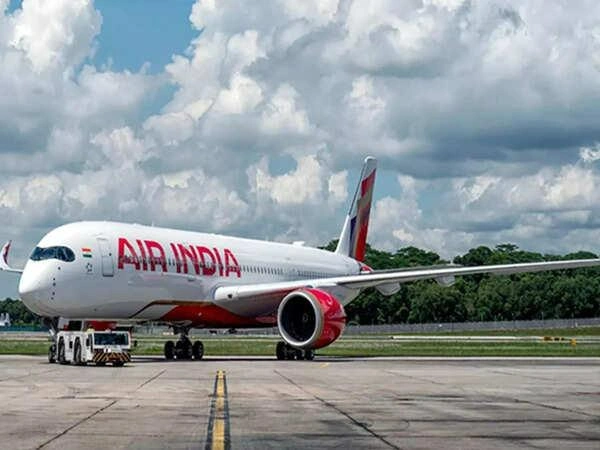
Air India has announced a temporary reduction in services on select international routes between June and August, citing growing pressure from regional airspace restrictions and record-high jet fuel prices.
The airline said it will continue operating more than 1,200 international flights every month despite the adjustments, but several routes will face suspensions or reduced frequencies during the affected period.
The decision highlights how geopolitical tensions and rising energy costs are now directly impacting the global aviation industry.
Why Air India Is Cutting Flights
According to the airline, two major challenges forced the decision:
- Restricted airspace access over certain regions
- Sharp increases in aviation fuel prices
The ongoing instability in West Asia and surrounding regions has disrupted multiple global flight corridors, forcing airlines to reroute aircraft across longer paths.
Longer routes mean:
- Higher fuel consumption
- Increased operating costs
- Additional crew scheduling challenges
- Reduced aircraft efficiency
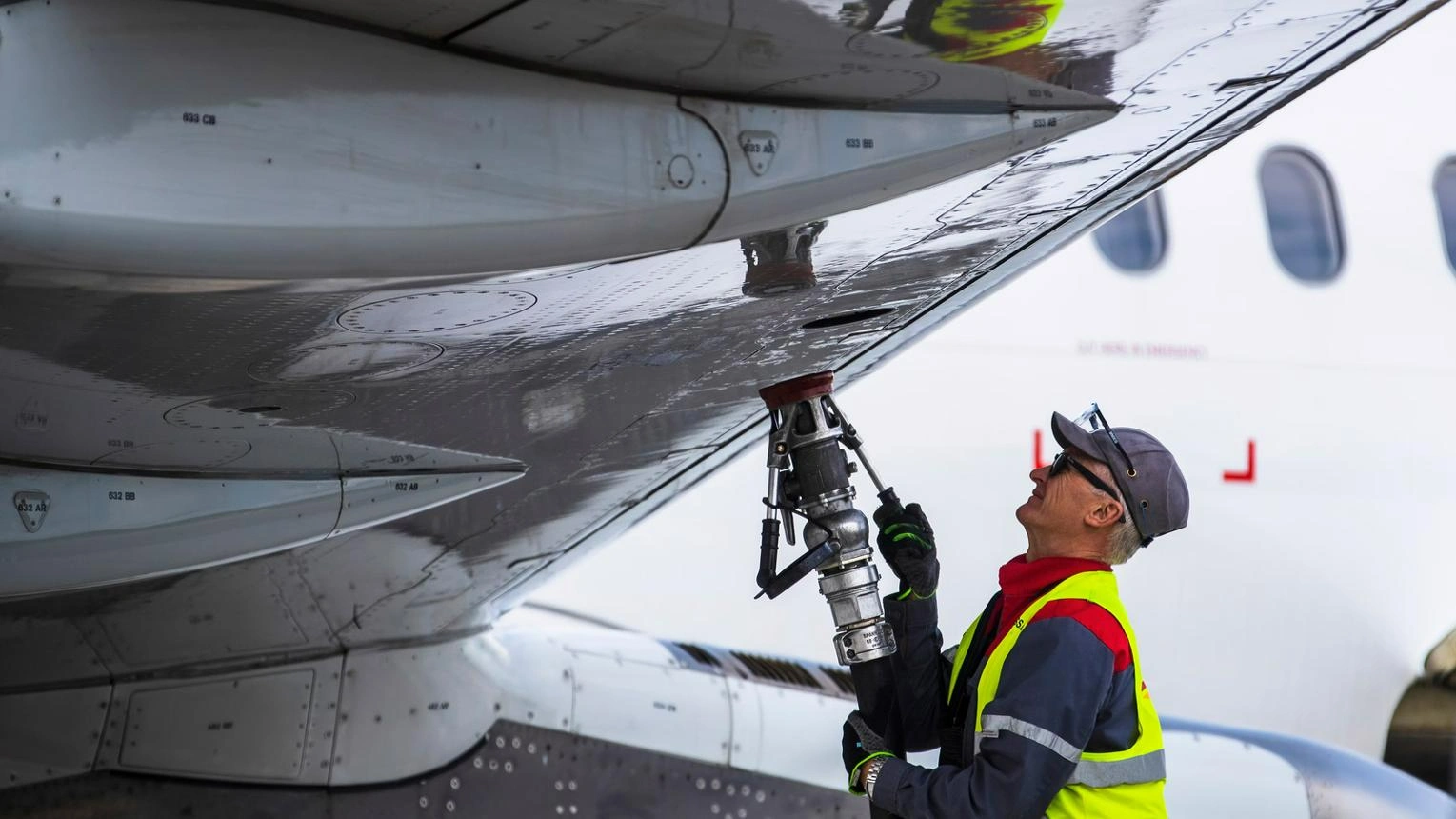
At the same time, global aviation fuel prices have surged due to ongoing geopolitical tensions and energy market disruptions linked to the Iran conflict.
Together, these factors have created enormous financial pressure on international airlines.
Routes Expected to Be Suspended Temporarily
According to reports, Air India plans to temporarily suspend or reduce services on several major routes.
These include:
- Delhi to Chicago
- Mumbai to New York
- Delhi to Shanghai
- Chennai to Singapore
Additional routes may also face temporary operational changes depending on evolving airspace and fuel conditions.
The airline clarified that these adjustments are temporary and primarily aimed at stabilizing operations during an unusually volatile period.
Air India Says International Operations Will Continue
Despite the reductions, Air India emphasized that international connectivity remains strong.
The airline stated it will continue operating:
- 33 weekly flights to North America
- 47 weekly flights to Europe
- 57 weekly flights to the UK
- 8 weekly flights to Australia
- 158 weekly flights to the Far East, Southeast Asia, and SAARC regions
- 7 weekly flights to Mauritius
This means the airline is not withdrawing from international markets entirely but is instead strategically scaling operations to manage rising operational costs.
Jet Fuel Prices Becoming a Major Problem for Airlines
The aviation industry globally is currently facing one of its toughest fuel cost environments in recent years.
Aviation turbine fuel (ATF) prices have increased sharply because of:
- Crude oil market volatility
- Shipping disruptions
- West Asia conflict tensions
- Global energy uncertainty
Fuel is already one of the largest expenses for airlines. When prices rise rapidly, profitability comes under immediate pressure.
Unlike some industries, airlines cannot always pass higher costs directly to consumers immediately because airfare competition remains intense.
This creates a difficult balancing act between maintaining routes and controlling losses.
Airspace Restrictions Continue Affecting Global Aviation
Airspace closures and military tensions across parts of West Asia have significantly disrupted international aviation routes.
Several airlines worldwide have already:
- Avoided certain air corridors
- Modified flight paths
- Increased flight durations
- Suspended selected routes
Longer routes not only increase costs but also affect scheduling and aircraft utilization.
For airlines operating long-haul flights, even small route deviations can create substantial operational impact.
Passenger Reactions Mixed
Public response to Air India’s announcement has been mixed.
Some passengers expressed frustration over:
- Potential travel disruptions
- Route suspensions
- Rebooking concerns
- Fare uncertainty
Others acknowledged that the situation reflects broader global instability rather than airline-specific issues.
Frequent international travelers also noted that multiple global airlines have already begun adjusting schedules because of rising fuel costs and geopolitical risks.
Aviation Industry Under Renewed Financial Stress
The airline industry had only recently recovered from years of pandemic-related disruptions.
Now, rising fuel prices and geopolitical instability are creating fresh challenges.
Analysts say airlines are being squeezed from multiple directions:
- Higher fuel costs
- Airspace complications
- Inflationary pressure
- Slower global economic growth
Long-haul international routes are especially vulnerable because they consume significantly larger amounts of fuel.
Impact on Indian Travelers
For Indian travelers, reduced international frequencies could lead to:
- Higher airfare prices
- Reduced seat availability
- Longer travel times
- Increased demand on remaining routes
Routes to North America and Europe may experience additional pressure if fuel prices remain elevated through the summer season.
Travel agencies have also warned that international ticket prices may continue fluctuating depending on geopolitical developments.
Global Aviation Industry Watching Closely
Air India’s decision reflects a broader industry trend.
Several international carriers are currently reviewing:
- Flight schedules
- Fuel surcharges
- Operational costs
- Route viability
The aviation sector remains highly sensitive to global energy prices because airlines operate on relatively thin profit margins.
Even moderate increases in fuel costs can significantly affect route economics.
The Bigger Economic Picture
The airline industry is becoming another major sector affected by the ongoing global energy crisis.
What began as geopolitical tension is now impacting:
- Consumer travel costs
- Airline profitability
- Tourism activity
- International trade logistics
This demonstrates how interconnected global transportation and energy systems have become.
A conflict affecting oil supply routes in one region can eventually influence flight availability and ticket prices thousands of kilometers away.
What Happens Next?
The future of Air India’s international operations will likely depend on:
- Global oil price trends
- Stability in West Asia
- Airspace accessibility
- Fuel market conditions
If energy prices stabilize and regional tensions ease, airlines may gradually restore suspended services.
However, if volatility continues, additional adjustments across the aviation industry could follow.
Final Insight
Air India’s temporary international flight cuts are not just about airline scheduling — they are a reflection of larger global economic pressures.
Rising fuel prices and restricted airspace are now reshaping aviation operations worldwide.
For passengers, it may mean higher fares and reduced flexibility.
For airlines, it means operating in one of the most unpredictable environments the industry has faced in years.
And for the global economy, it is another reminder that geopolitical conflicts rarely stay confined to one region — their effects eventually spread everywhere.
Click Here to subscribe to our newsletters and get the latest updates directly to your inbox