
India’s Wholesale Inflation Hits 42-Month High at 8.3% as Iran War Fuels Energy Shock
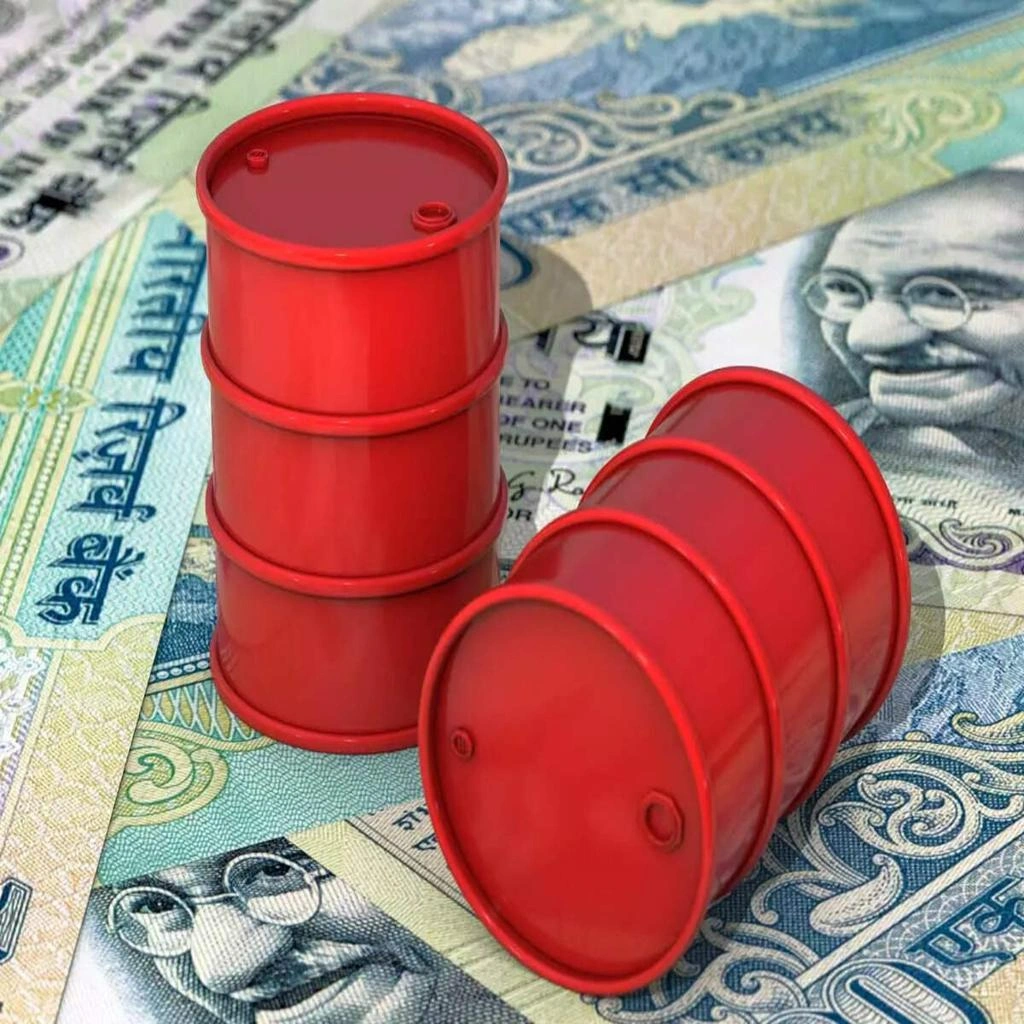
India’s wholesale inflation rose dramatically in April, reaching 8.3% year-on-year, the highest level recorded in the last 42 months, as the economic impact of the ongoing Iran war and global energy crisis intensified across industries.
According to data released by the Ministry of Commerce and Industry, the Wholesale Price Index (WPI)-based inflation jumped significantly from 3.88% recorded in March. The sharp increase highlights how deeply rising fuel and energy costs are now affecting producers and industrial supply chains across the country.
The latest figures show that energy-related products contributed nearly three-fourths of the increase in wholesale inflation compared to the previous month, signaling that the inflation shock is being driven primarily by fuel-linked disruptions rather than broad-based consumer demand.
Energy Prices Become the Main Driver of Inflation
The biggest reason behind the spike in wholesale inflation is the unprecedented rise in energy prices.
The price of Aviation Turbine Fuel (ATF) more than doubled in April compared to March, according to official data. At the same time, prices of other industrial fuel products also surged sharply.
Naphtha prices rose by 67% month-on-month, furnace oil prices climbed 46%, and bitumen prices increased by 39%.
These are not niche industrial commodities. They sit at the center of multiple sectors that affect the wider economy.
Naphtha is heavily used in plastics, chemicals, and paint manufacturing. Bitumen is critical for road construction and infrastructure development. Furnace oil remains important for industrial operations, while aviation fuel directly impacts airlines and transportation costs.
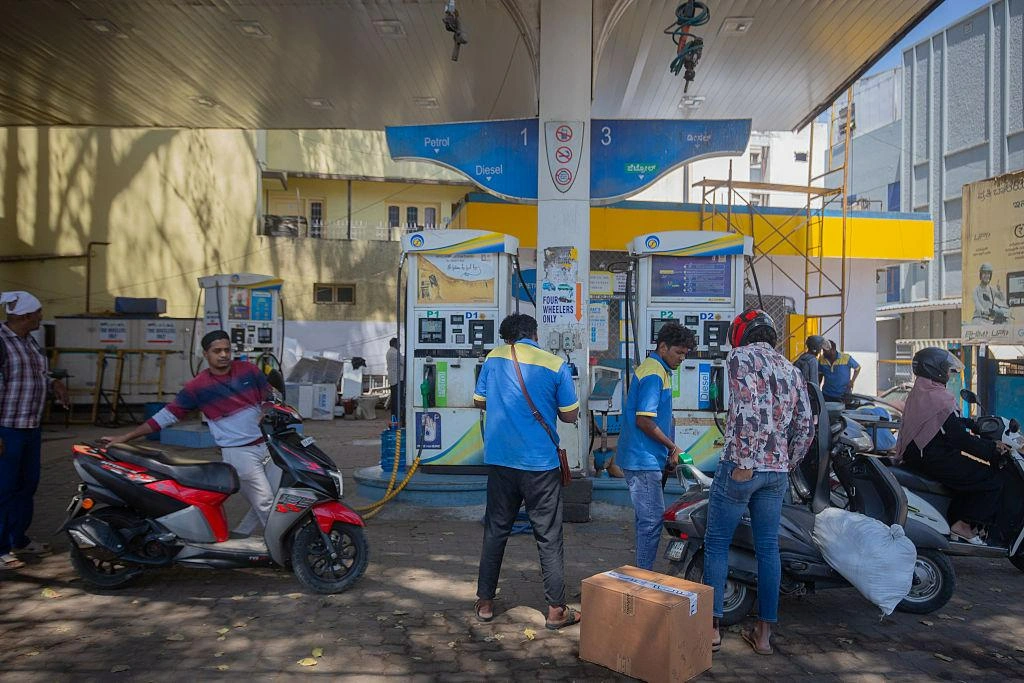
This means the inflation surge is likely to spread across several industries over the coming months.
Iran War Continues to Disrupt Global Energy Markets
The inflation spike is closely linked to the continuing conflict in West Asia.
The ongoing Iran war has severely disrupted global energy supply chains and created instability in oil shipping routes, especially around the Strait of Hormuz, one of the world’s most important energy transit corridors.
Global crude oil prices have remained elevated as traders fear prolonged disruptions in supply. Shipping insurance costs have also increased sharply, further raising transportation expenses for fuel imports.
India, which imports a large portion of its energy needs, remains highly vulnerable to these global price shocks.
As fuel import costs rise, industries across the country are being forced to absorb significantly higher operational expenses.
Producers Bearing the Financial Burden
Unlike consumer inflation, wholesale inflation directly reflects the cost pressures faced by producers and manufacturers.
At present, many industries are struggling to decide whether to absorb rising costs or pass them on to consumers through higher prices.
This creates a difficult economic situation.
If companies absorb the costs, profitability weakens. If they increase prices, consumer inflation may rise sharply in the coming months.
Economists say the current WPI surge could eventually spill over into broader retail inflation if energy prices remain elevated for an extended period.
That would place additional pressure on households already dealing with rising living costs.
Government Closely Monitoring Inflation Situation
Officials within the Indian government are reportedly monitoring the situation closely as concerns grow around prolonged energy-driven inflation.
The sharp jump in wholesale prices comes at a sensitive time for policymakers because fuel costs affect almost every part of the economy, including:
- Transportation
- Manufacturing
- Aviation
- Construction
- Agriculture
- Logistics
Any sustained increase in fuel-linked inflation could complicate economic growth projections and increase pressure on policymakers to intervene.
So far, however, the government has largely avoided major fuel price increases for consumers, particularly in petrol and diesel.
That strategy has helped control retail inflation temporarily, but it has simultaneously increased pressure on oil marketing companies and industrial sectors.
Public Reaction Reflects Growing Economic Anxiety
Public reaction to the latest inflation numbers has been mixed but increasingly anxious.
Business owners and manufacturers expressed concern over rising operational costs, especially in sectors heavily dependent on transportation and fuel.
On social media, many users worried that wholesale inflation could soon lead to:
- Higher food prices
- Expensive flights
- Increased construction costs
- More expensive consumer goods
Middle-class consumers are particularly concerned about the possibility of another inflation cycle after years of economic pressure following the pandemic and global supply chain disruptions.
Several economic commentators also warned that inflation fatigue is becoming a real issue for households.
Aviation and Infrastructure Sectors Could Face Major Pressure
Some industries may face disproportionately larger challenges if energy prices remain elevated.
The aviation sector is already under pressure because of rising ATF costs. Several airlines globally, including Indian carriers, have started reducing routes, adjusting schedules or reconsidering expansion plans due to fuel volatility.
Infrastructure projects may also become more expensive because of rising bitumen and fuel costs.
Road construction, logistics networks and industrial manufacturing could all face higher operating expenses in the coming months.
This means inflation is no longer limited to energy markets alone — it is now beginning to influence broader economic activity.
Economists Warn of Long-Term Risks
Several economists believe the latest inflation figures may represent the beginning of a more prolonged cost cycle rather than a temporary spike.
Energy-driven inflation is particularly dangerous because it spreads across multiple sectors simultaneously.
Unlike demand-driven inflation, which sometimes cools naturally as spending slows, fuel inflation affects nearly every stage of production and transportation.
That makes it much harder to contain quickly.
Some analysts also fear that prolonged instability in West Asia could keep oil prices elevated for far longer than markets initially expected.
India’s Energy Dependence Comes Back Into Focus
The latest inflation data also highlights India’s continued dependence on imported energy.
The country relies heavily on crude oil imports to meet domestic fuel demand. As a result, global geopolitical disruptions immediately affect domestic pricing structures and industrial costs.
This is why policymakers have increasingly emphasized:
- Renewable energy expansion
- Strategic petroleum reserves
- Domestic energy production
- Alternative fuel development
The current crisis may further accelerate discussions around long-term energy security.
The Bigger Economic Picture
The sharp rise in wholesale inflation is not just an economic statistic. It reflects how interconnected modern economies have become.
A geopolitical conflict thousands of kilometers away is now influencing:
- Indian manufacturing costs
- Airline operations
- Infrastructure pricing
- Industrial production
- Consumer sentiment
This demonstrates how energy markets remain one of the most globally influential economic forces.
As long as instability continues around key oil supply routes, inflationary pressure is likely to remain elevated worldwide.
Final Thoughts
India’s wholesale inflation jumping to 8.3% marks a major warning sign for the economy.
The combination of war-driven energy shocks, rising industrial fuel prices, and growing supply chain pressure is now creating one of the strongest inflationary waves seen in years.
For businesses, the challenge is becoming increasingly difficult.
For consumers, concerns about rising prices are growing.
And for policymakers, balancing inflation control with economic stability may soon become far more complicated.
The larger concern now is no longer whether energy disruptions will affect the economy.
It is how long those disruptions will continue.
Click Here to subscribe to our newsletters and get the latest updates directly to your inbox.