
US Says Xi Jinping Interested in Buying More American Oil, But China’s Silence Raises Questions
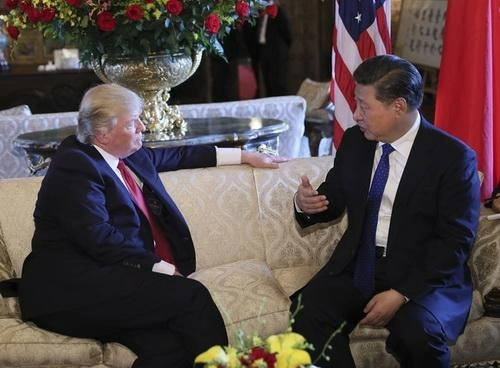
The United States has claimed that Chinese President Xi Jinping expressed interest in purchasing more American oil during high-level talks with Donald Trump, as Beijing looks for ways to reduce its dependence on the increasingly unstable Strait of Hormuz.
According to a White House readout released after the meeting, Xi discussed the possibility of increasing imports of US crude oil during Thursday’s talks with Trump. The alleged conversation comes at a time when global energy markets remain under severe pressure due to the ongoing conflict in West Asia and continuing disruptions around the Strait of Hormuz, one of the world’s most critical oil shipping routes.
However, what has drawn even greater attention internationally is what China did not say.
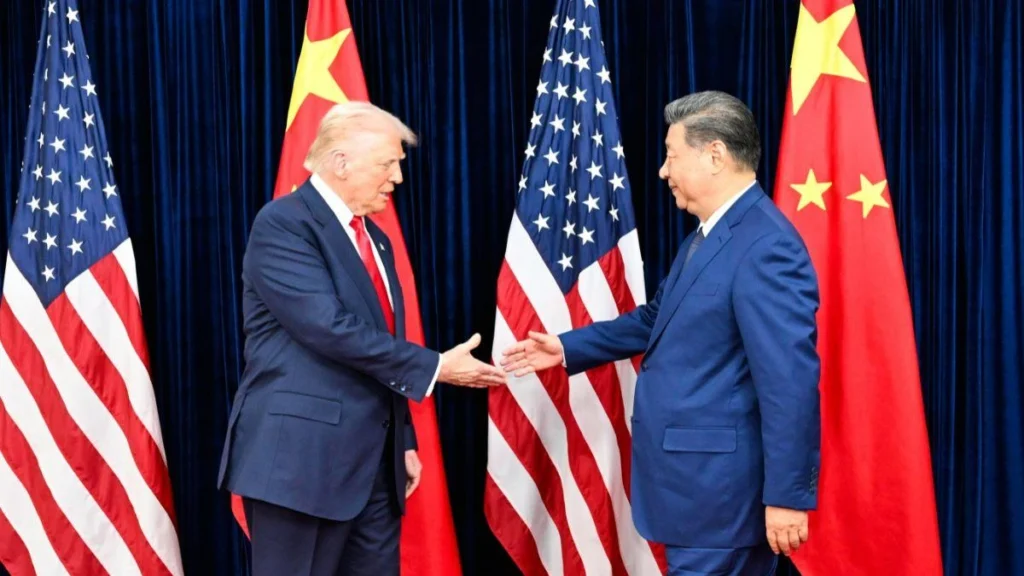
The official Chinese summary of the meeting, later published through state media outlets, made no mention of oil purchases or energy imports from the United States. That omission has immediately fueled speculation among analysts and diplomats over whether the issue was discussed differently behind closed doors or deliberately downplayed publicly by Beijing.
White House Signals Possible Shift in US-China Energy Relations
The White House described the conversation as part of broader discussions aimed at stabilizing economic and strategic ties between the world’s two largest economies.
Officials in Washington believe China may now be reconsidering its energy strategy as instability in the Middle East continues threatening traditional supply routes. The Strait of Hormuz handles a massive portion of global oil shipments, and any prolonged disruption there creates serious risks for countries heavily dependent on Gulf energy exports.
The US sees this as an opportunity.
American officials have increasingly promoted US energy exports as both an economic tool and a geopolitical advantage. If China begins purchasing more American crude again, it could potentially reduce Beijing’s dependence on volatile shipping corridors while also easing some trade tensions between the two countries.
Still, the absence of confirmation from China has made the situation far less straightforward.
China’s Silence Creates Diplomatic Ambiguity
The Chinese government’s official statement focused instead on broader diplomatic messaging.
At a state banquet during Trump’s visit, Xi Jinping reportedly said that “China and US should become partners, not rivals,” while also emphasizing that relations between Beijing and Washington remain “the most important bilateral ties in the world.”
Those remarks appeared designed to project stability and cooperation at a time when geopolitical tensions remain elevated globally.
However, Beijing’s silence on the oil issue is significant because Chinese diplomatic summaries are often highly selective and carefully structured. Analysts say omissions in official Chinese statements can sometimes be as meaningful as direct comments.
Some observers believe China may not want to publicly appear dependent on American energy at a time when competition between both countries remains intense. Others argue the oil discussion may still be preliminary and not yet finalized enough for public acknowledgment.
Trade War Fallout Still Shapes Relations
The energy discussions are unfolding against the backdrop of years of economic tension between the US and China.
Before Trump returned to office in 2024, China’s imports of American crude had already declined sharply to around 193,000 barrels per day, worth roughly $6 billion annually.
Then came the renewed trade war.
After the Trump administration imposed a 20 percent import tariff last year, China effectively halted imports of US oil from May 2025 onward. The move became another symbol of deteriorating economic ties between the two superpowers.
Now, with global energy markets destabilized again, both countries may have strategic reasons to reconsider parts of that relationship.
For China, diversifying energy sources has become increasingly urgent. For the US, expanding crude exports strengthens both economic and geopolitical influence.
Strait of Hormuz Becomes Global Pressure Point
The renewed focus on energy cooperation also highlights how deeply the Strait of Hormuz crisis is affecting global decision-making.
The narrow waterway remains one of the world’s most important oil transit routes, handling roughly one-fifth of global petroleum shipments during normal conditions.
However, tensions involving Iran, Israel and the United States have severely disrupted shipping activity across the region. Insurance costs have surged, shipping routes have become less predictable and energy prices remain elevated globally.
Countries dependent on Gulf oil are now actively exploring alternatives.
That is why the White House believes Chinese interest in US oil could become strategically important.
If Beijing increases purchases from American producers, it could reduce exposure to Middle East instability while also helping stabilize broader energy supply chains.
Public Reaction Divided Across Both Countries
Public reaction to the reports has been mixed.
In the United States, some analysts praised the possibility of increased energy exports as a positive economic development for American producers. Supporters of Trump also framed the discussions as evidence that Washington retains significant leverage in global energy markets.
Others, however, questioned whether the White House may be overstating diplomatic progress.
On Chinese social media and international discussion forums, reactions were more cautious. Some users argued that China should avoid becoming dependent on American energy supplies, especially given ongoing tensions over trade, technology, and Taiwan.
Others viewed diversified energy sourcing as a practical necessity in an unstable global environment.
Taiwan Remains a Major Source of Tension
Despite the positive diplomatic language surrounding the visit, major tensions remain unresolved between both countries.
During Trump’s visit, Xi reportedly warned the US president that the two global powers could clash over Taiwan, one of the most sensitive issues in China-US relations.
Taiwan continues to represent the single biggest geopolitical flashpoint between Beijing and Washington. China views Taiwan as part of its territory, while the US maintains unofficial support for the island’s self-governance and defense capabilities.
That means even if energy cooperation improves, broader strategic rivalry between the two countries remains very much alive.
A Pragmatic Relationship, Not a Friendly One
The current situation reflects the increasingly pragmatic nature of US-China relations.
Both countries compete aggressively in:
- Technology
- Trade
- Military influence
- Artificial intelligence
- Global diplomacy
At the same time, they remain deeply interconnected economically.
Energy may now become another area where strategic competition and practical cooperation exist simultaneously.
This complicated balance is likely to define the next phase of the relationship between Washington and Beijing.
Final Thoughts
The White House’s claim that Xi Jinping showed interest in buying more American oil has added a new dimension to already complex US-China relations.
Whether the discussions lead to actual agreements remains uncertain, especially given China’s decision to avoid mentioning the issue publicly.
Still, the larger message is becoming increasingly clear:
Global instability is forcing even rival superpowers to rethink economic and energy priorities.
As conflicts continue disrupting traditional supply chains, energy security is rapidly becoming one of the defining geopolitical issues of this decade.
Click here to subscribe to our newsletters and get the latest updates directly to your inbox.