
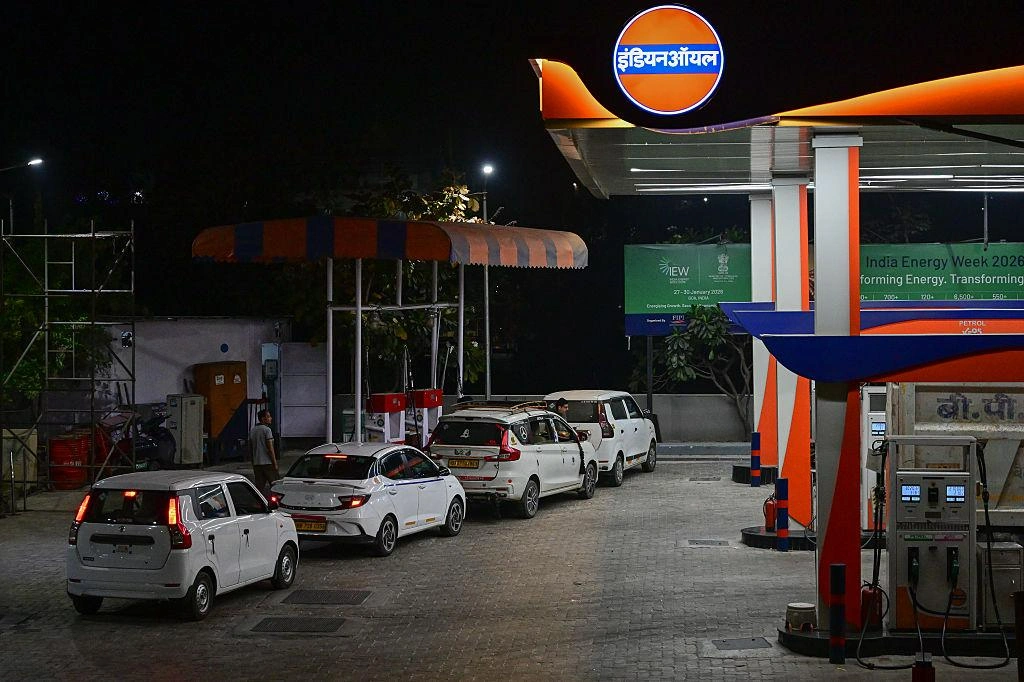
Petrol Nears ₹100 Again as Fuel Prices Rise for Third Time in 9 Days Amid Energy Crisis
Public sector oil marketing companies have once again increased petrol and diesel prices across India, marking the third fuel price hike in just nine days as the country continues struggling with the impact of rising global energy prices and geopolitical instability.
The latest increase pushed petrol prices higher by 87 paise per litre and diesel prices by 91 paise per litre in Delhi. Similar increases were implemented across other states with slight variations depending on local taxes and levies.
With this latest revision, petrol prices in the national capital have now risen by ₹4.77 per liter since May 15, while diesel prices have climbed by ₹4.81 during the same period.
As of Saturday morning, petrol in Delhi was priced at ₹99.51 per liter, bringing fuel rates dangerously close to the ₹100 mark once again. Diesel prices reached ₹92.49 per liter.
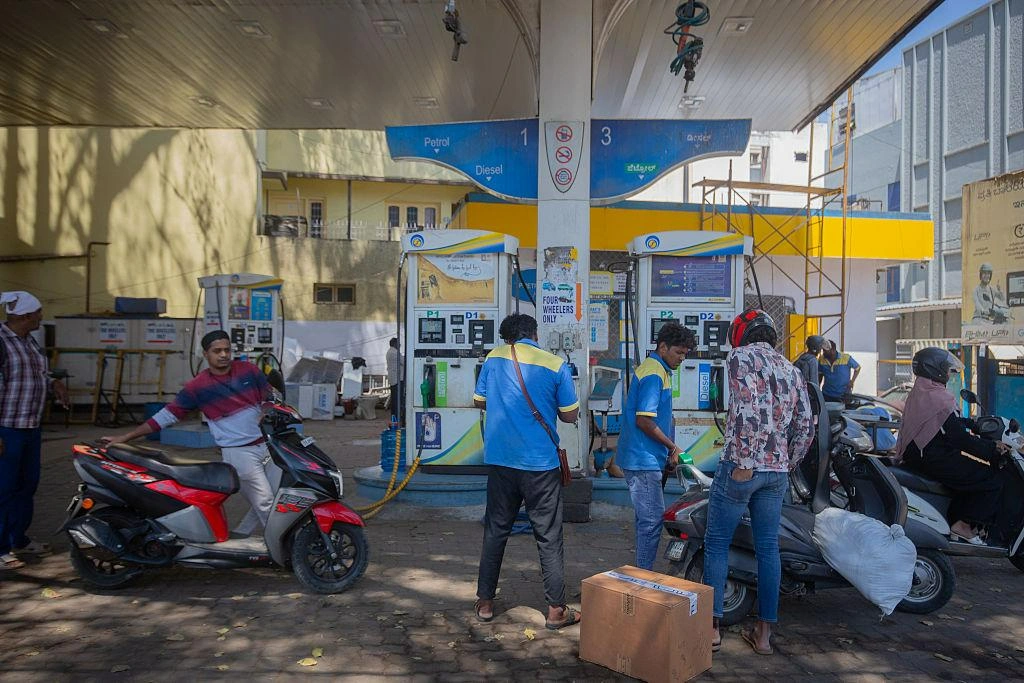
The repeated hikes underline the growing pressure on India’s fuel pricing system as global oil markets remain deeply unstable.
Oil Companies Under Severe Financial Pressure
The latest increase comes as state-run oil marketing companies continue facing massive financial stress due to elevated international crude oil prices.
Indian Oil Corporation, Bharat Petroleum Corporation Limited, and Hindustan Petroleum Corporation Limited have reportedly been absorbing substantial under-recoveries for months because domestic retail fuel prices remained lower than actual import-linked market rates.
Government officials and industry analysts say the recent hikes are part of a staggered strategy aimed at gradually reducing losses without causing a sudden shock to consumers.
The earlier ₹3-per-litre increase announced on May 15 had already provided partial relief to OMCs, but rising crude oil prices continue to keep pressure extremely high.
Global Energy Crisis Continues Driving Fuel Inflation
India’s fuel price increases are closely tied to the ongoing global energy crisis triggered by geopolitical tensions in West Asia.
The conflict surrounding Iran and disruptions around the Strait of Hormuz have significantly impacted global oil supply chains. Shipping costs, insurance premiums, and crude oil prices have all risen sharply over recent weeks.
The Strait of Hormuz remains one of the world’s most critical oil transit routes, handling a massive share of global petroleum exports. Any disruption in the region immediately affects energy-importing economies like India.
Since India imports a majority of its crude oil requirements, fluctuations in global energy markets directly influence domestic fuel economics.
This is why international tensions are now rapidly translating into higher petrol and diesel costs for Indian consumers.
Consumers Feeling Growing Pressure
The repeated fuel price hikes are beginning to increase pressure on households and businesses alike.
Fuel prices influence almost every part of the economy because transportation costs directly affect:
- Food prices
- Logistics expenses
- Airline fares
- Manufacturing costs
- Public transportation
- Delivery services
Consumers across several cities expressed frustration online as petrol prices once again approached ₹100 per litre in major urban centers.
Many users on social media criticized the gradual hike strategy, arguing that repeated smaller increases still place significant pressure on middle-class families already struggling with inflation.
Commercial vehicle operators and logistics companies also warned that rising diesel costs could eventually force higher transportation charges.
Diesel Prices Especially Important for the Economy
Diesel remains especially sensitive for India’s economy because it powers much of the country’s transportation and industrial infrastructure.
Freight movement, agricultural equipment, buses, and large-scale logistics networks all depend heavily on diesel consumption.
When diesel prices rise sharply, inflationary pressure often spreads across the economy more broadly.
Economists say continued increases in diesel prices could eventually influence:
- Food inflation
- Supply chain costs
- Infrastructure expenses
- Industrial production costs
This is why fuel pricing decisions remain politically and economically sensitive in India.
Staggered Price Hikes Reflect Delicate Balancing Act
The government and PSU oil companies appear to be using staggered fuel price hikes to avoid sudden public backlash while still gradually aligning retail rates closer to market realities.
Instead of imposing one large increase, oil companies have now implemented:
- A ₹3-per-litre hike on May 15
- A 90-paise increase on Tuesday
- Another hike on Saturday
Analysts believe this phased approach helps reduce immediate shock while giving consumers time to adjust psychologically.
However, critics argue the strategy may prolong inflation concerns and create ongoing uncertainty around fuel pricing.
Wholesale Fuel Inflation Already Surging
The retail fuel price hikes are also happening alongside rising wholesale fuel inflation.
Recent government data showed wholesale inflation climbing to multi-year highs largely because of surging energy prices.
Products linked to industrial fuel usage, including aviation turbine fuel, naphtha, and furnace oil, have already seen dramatic price increases over recent months.
That means inflationary pressure is now building simultaneously across:
- Retail fuel markets
- Industrial energy markets
- Transportation sectors
- Manufacturing systems
The broader economic impact may therefore continue expanding if global oil prices remain elevated.
Public Reactions Reflect Economic Anxiety
Public reaction to the latest fuel hike has largely reflected growing economic anxiety.
Many consumers expressed concerns about how repeated fuel increases could eventually affect daily expenses beyond transportation.
Ride-hailing drivers, delivery workers, and small business owners particularly voiced concerns because fuel costs directly affect their earnings and operational margins.
At the same time, some analysts argued that oil companies had limited options given the unprecedented rise in global energy prices.
The debate highlights the difficult position facing policymakers:
Keeping fuel prices artificially low protects consumers temporarily but also increases financial pressure on state-run oil companies.
India’s Energy Dependence Back in Focus
The fuel price crisis is once again highlighting India’s heavy dependence on imported crude oil.
Despite efforts to expand renewable energy and domestic production, the country remains highly vulnerable to global oil market volatility.
This has renewed discussions around:
- Strategic petroleum reserves
- Alternative fuel adoption
- Electric mobility expansion
- Renewable energy investments
- Domestic energy diversification
Experts say long-term energy security will become increasingly important if geopolitical instability remains persistent globally.
The Bigger Economic Challenge
The latest fuel hikes reveal a broader economic challenge facing not only India but many countries globally.
Modern economies remain deeply dependent on stable and affordable energy supplies.
When geopolitical conflict disrupts oil flows, the impact spreads rapidly into:
- Inflation
- Consumer spending
- Transportation
- Manufacturing
- Economic growth
That interconnectedness makes fuel pricing one of the most politically sensitive economic issues worldwide.
Final Thoughts
The third petrol and diesel price hike in just nine days signals how severe the current global energy crisis has become.
As crude oil prices remain elevated and geopolitical tensions continue affecting supply chains, Indian consumers and businesses are now increasingly feeling the financial impact directly.
For oil companies, the challenge is reducing losses.
For consumers, it is managing rising daily expenses.
And for policymakers, it is maintaining economic stability without triggering broader inflation shocks.
The biggest concern now is whether these fuel hikes are temporary adjustments—or the beginning of a longer and more painful energy cycle.
Click Here to subscribe to our newsletters and get the latest updates directly to your inbox.