
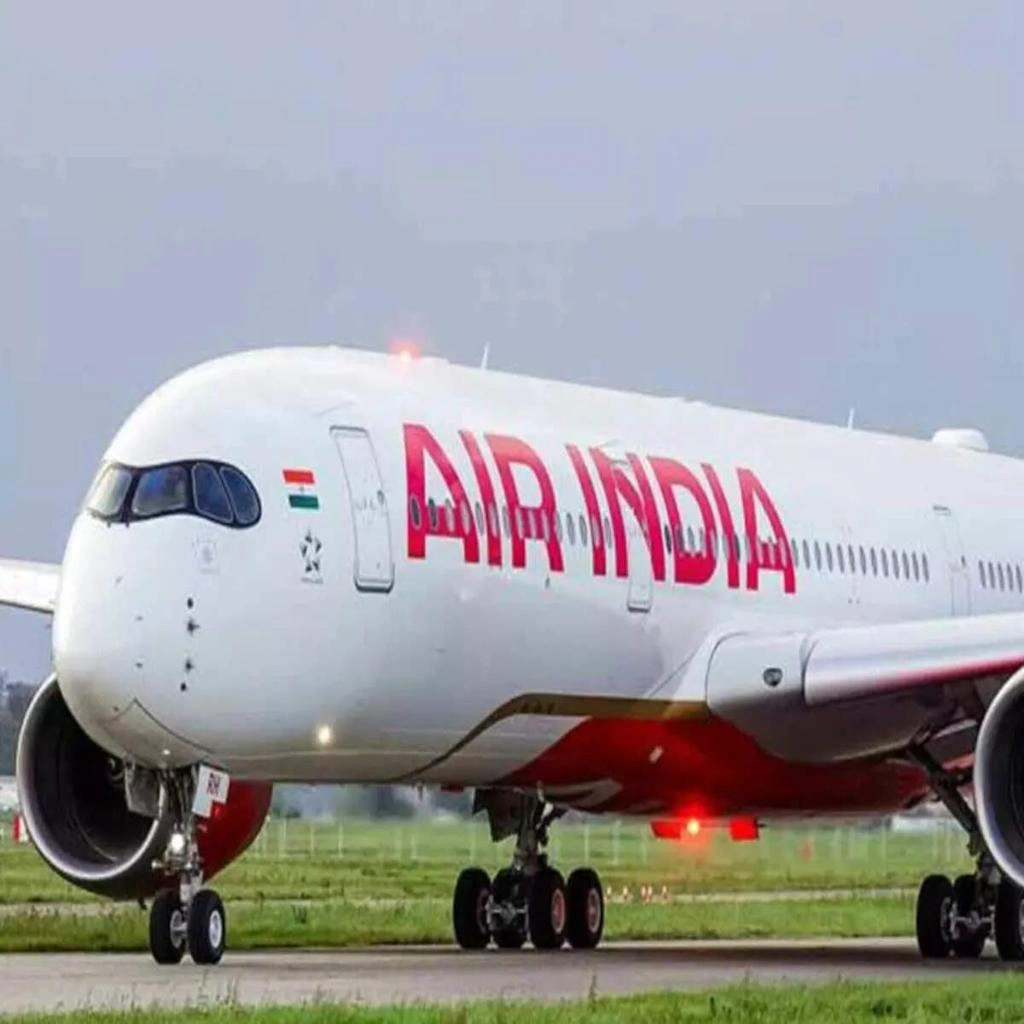
Air India Cuts Domestic Flights as Rising Fuel Prices Increase Pressure on Airlines
Air India has decided to cut several domestic flight frequencies for the June and July period as the airline continues dealing with rising operational pressure caused by higher aviation fuel prices and the ongoing West Asia crisis.
The airline had already reduced some international services earlier this month, and now the impact is being seen on domestic operations as well.
According to aviation analytics company Cirium, Air India’s domestic flight schedule for June and July is currently down by more than 26 percent compared to April and May.
The airline is now scheduled to operate around 22,868 domestic flights during the two-month period, compared to more than 31,000 flights earlier.
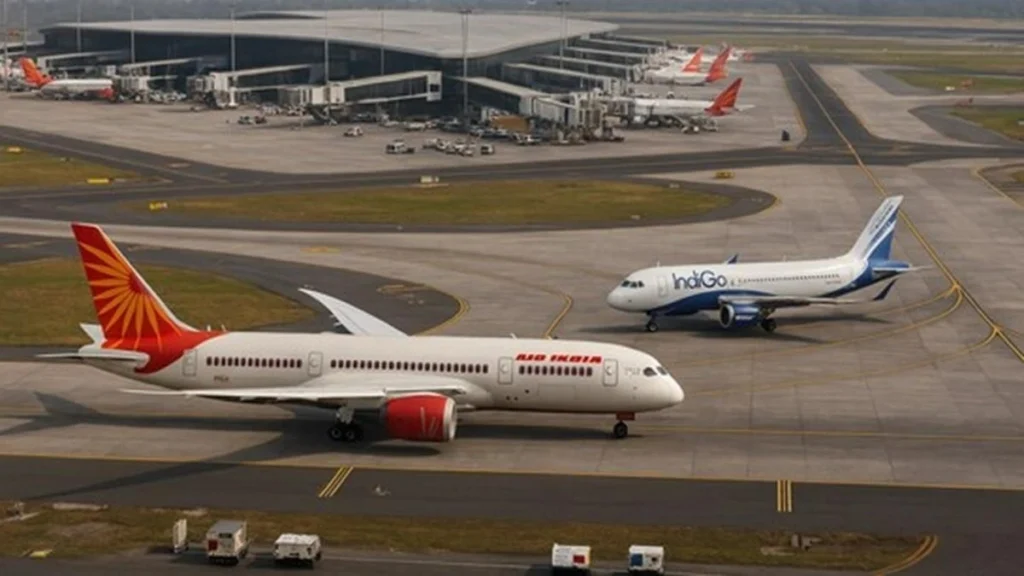
Air India confirmed that it is temporarily rationalizing domestic operations but did not officially specify the exact number of routes or frequencies being reduced.
Rising Jet Fuel Prices Behind the Decision
The biggest reason behind the flight reduction is the continued rise in aviation turbine fuel prices.
The ongoing tensions involving Iran and the disruption around the Strait of Hormuz have pushed global crude oil prices significantly higher over the past few months.
Since airlines depend heavily on fuel for daily operations, rising oil prices directly affect profitability.
Fuel remains one of the largest expenses for any airline, and even a small increase in jet fuel prices can create major financial pressure when applied across thousands of flights.
Air India said the temporary changes are being made because of the “sustained impact of high fuel prices on overall operations.”
The airline also said it will continue monitoring market conditions and passenger demand before restoring normal frequencies.
Passengers May See Fewer Flight Options
The reduction in domestic services could affect passengers traveling during the busy summer and monsoon period.
With fewer scheduled flights available on certain routes, passengers may experience:
higher ticket prices, lower seat availability, and limited timing options in some sectors.
Travel industry experts believe airlines globally are becoming more cautious because fuel price uncertainty remains extremely high.
If crude oil prices continue rising, other airlines may also consider adjusting schedules or increasing fares to offset operational costs.
West Asia Crisis Is Affecting Global Aviation
The aviation sector has become one of the industries most directly affected by the ongoing conflict in West Asia.
The Strait of Hormuz is one of the world’s most important oil shipping routes, and disruptions there have increased fuel prices across international markets.
As global oil becomes more expensive, airlines are forced to spend significantly more on operations.
This affects not only international flights but domestic networks as well, especially in countries like India, where airlines operate large-scale daily schedules.
Several global carriers have already started reviewing routes, fuel surcharges, and operating plans because of continued market instability.
Air India Says Passenger Support Will Continue
In its official statement, Air India said passengers affected by the schedule changes would receive support through alternative flight arrangements, date changes, or refunds wherever applicable.
The airline stated that these adjustments are temporary and aimed at maintaining operational stability during a difficult fuel market environment.
Air India also said it plans to restore normal frequencies once conditions improve and fuel markets become more stable.
Tata Group’s Expansion Plans Face External Pressure
Since returning to the control of the Tata Group, Air India has been aggressively modernising its operations with new aircraft orders, international expansion plans, and service upgrades.
However, the current energy crisis has created fresh challenges for airlines globally.
Even large carriers with expansion plans are being forced to manage costs carefully as fuel prices remain unpredictable.
The situation shows how geopolitical events far outside India can quickly affect domestic travel, ticket pricing, and airline operations inside the country.
Aviation Industry Watching Oil Markets Closely
Airlines across the world are now closely watching developments in global oil markets.
If tensions around the Strait of Hormuz continue for a longer period, fuel prices may remain elevated, which could create additional pressure on airline profitability.
Industry analysts believe airlines are currently preparing for a period of prolonged uncertainty rather than expecting immediate recovery.
For passengers, this may mean continued volatility in airfare pricing and flight schedules over the coming months.
The situation also highlights how deeply connected global energy markets are with everyday services like aviation.
A conflict affecting oil shipping routes thousands of kilometers away is now influencing domestic air travel availability inside India.
Click Here to subscribe to our newsletters and get the latest updates directly to your inbox.