
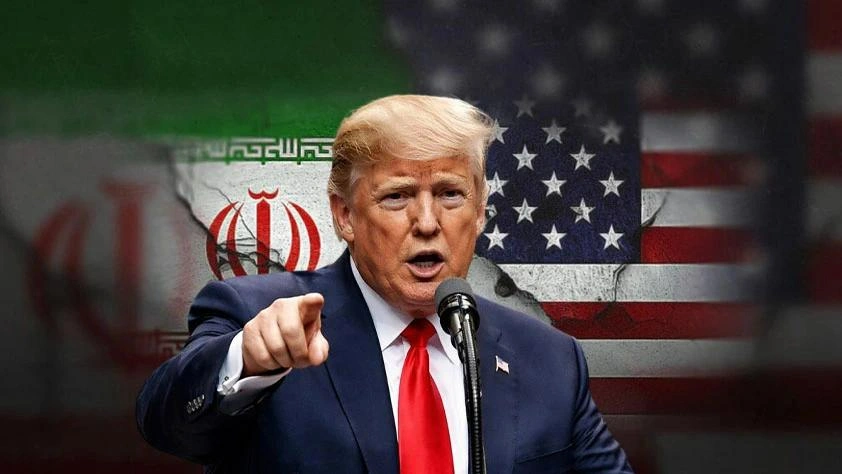
Iran Warns US to ‘Face Hell’ as Trump Vows to ‘Complete the Job’ Amid Rising Gulf War Fears
Tensions between the United States and Iran have escalated sharply after both sides exchanged direct warnings, raising fresh concerns that the Gulf region could move closer to a wider military confrontation.
What initially began as disagreements over commercial shipping and security in the Strait of Hormuz has now expanded into a broader regional crisis involving missile attacks, military deployments, and growing diplomatic uncertainty.
Iran has accused Washington of violating commitments made under a recently signed peace agreement, while US President Donald Trump warned that the United States would respond decisively if American forces or interests were threatened.
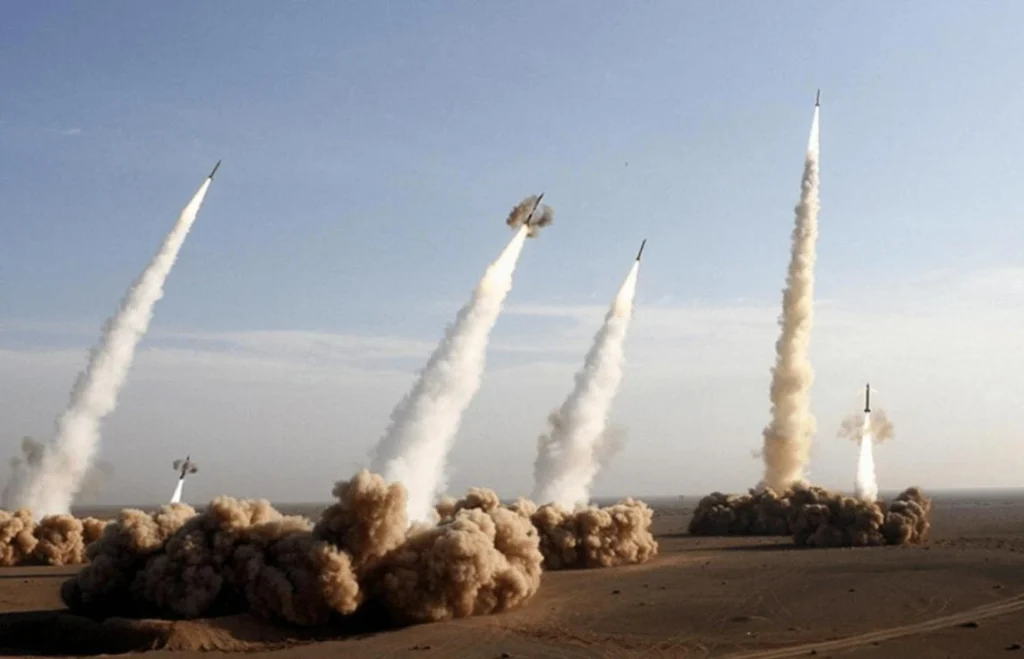
The exchange of threats has drawn global attention because any direct military conflict between the two countries could have significant consequences for international security and global energy markets.
Iran Claims US Violated Peace Commitments
Iranian officials said recent developments represent a breach of commitments made under a memorandum of understanding that had been intended to reduce regional tensions.
According to Tehran, ongoing military operations involving Israel in Lebanon and continued American support for regional allies violate the spirit of the agreement.
Iranian military leaders argued that these developments forced Tehran to reconsider its security posture and military response.
Officials warned that additional measures could follow if they believed external military pressure continued to increase.
These statements have further complicated diplomatic efforts that were intended to reduce tensions only weeks earlier.
Missile and Drone Attacks Increase Regional Pressure
The latest escalation follows reports that Iran launched missile and drone attacks targeting American military installations in Kuwait and Bahrain.
The attacks represent one of the most serious confrontations between Iran and US forces in recent years.
Although military officials continue assessing the full extent of the incidents, the strikes demonstrate how quickly regional disputes can expand beyond political disagreements.
Military analysts note that attacks involving multiple countries increase the risk of unintended escalation because any response can trigger additional retaliation.
The situation remains highly fluid as governments across the region closely monitor developments.
Trump Responds With Strong Warning
President Donald Trump responded by warning that the United States would not hesitate to protect its military personnel and strategic interests.
He stated that Iran would face severe consequences if attacks against American forces continued.
The strong language reflects Washington’s position that protecting US military bases and regional allies remains a top national security priority.
American officials have repeatedly stated that while diplomacy remains preferable, military options remain available if necessary.
The exchange of public warnings has further intensified concerns that negotiations may become increasingly difficult.
Strait of Hormuz Remains at the Center of the Crisis
Much of the current dispute continues to revolve around the Strait of Hormuz.
The narrow waterway carries nearly one-fifth of the world’s traded oil supplies, making it one of the most strategically important shipping routes anywhere in the world.
Any disruption to commercial shipping through the Strait immediately attracts global attention because of its potential impact on oil prices, inflation, and international trade.
Although Iran has claimed restrictions on shipping, American officials have maintained that commercial vessels continue operating through the waterway.
The conflicting claims have created uncertainty for shipping companies, energy markets, and international governments.
Lebanon Conflict Adds Another Layer
The ongoing conflict in Lebanon has also contributed to rising tensions.
Iran has linked its recent military decisions to continued Israeli operations in Lebanon, arguing that regional conflicts cannot be separated from broader diplomatic negotiations.
The United States has rejected that interpretation, maintaining that separate regional issues should not undermine efforts to reduce direct tensions between Washington and Tehran.
This disagreement illustrates how interconnected Middle Eastern conflicts have become.
Developments in one country increasingly influence military and diplomatic decisions across the region.
Diplomatic Talks Face Major Challenges
Despite the military escalation, diplomatic discussions between American and Iranian officials continue.
Negotiators are attempting to preserve earlier agreements while preventing the situation from developing into a larger conflict.
Diplomatic experts believe communication remains essential because misunderstandings during periods of military tension can rapidly increase the risk of unintended confrontation.
Even limited progress in negotiations could help reduce uncertainty across the region.
However, public threats from both sides have made diplomatic efforts considerably more complicated.
Energy Markets Closely Watching Developments
Financial markets and energy companies are paying close attention to the latest events.
Any prolonged disruption involving the Gulf region has the potential to affect global oil supplies and increase fuel prices worldwide.
Energy traders remain particularly focused on shipping activity through the Strait of Hormuz because it serves as the primary export route for several major oil-producing countries.
Even without a complete shipping shutdown, geopolitical uncertainty often contributes to higher transportation costs and increased market volatility.
Governments are also monitoring developments because rising energy prices can influence inflation and economic growth.
Global Leaders Urge Restraint
Several international governments have called for restraint as tensions continue rising.
Diplomatic efforts remain focused on preventing further military escalation while encouraging both sides to continue negotiations.
Many countries have emphasized the importance of protecting commercial shipping routes and avoiding actions that could destabilize global energy supplies.
International organizations continue encouraging dialogue as the preferred path toward reducing regional tensions.
Gulf Crisis Enters a Critical Phase
The latest exchange of threats between Iran and the United States marks another significant escalation in an already fragile security environment.
With missile attacks, competing political statements, ongoing diplomatic talks, and concerns surrounding the Strait of Hormuz, the Gulf region remains under intense international scrutiny.
Whether current negotiations can reduce tensions or whether military actions continue expanding will likely determine the next phase of one of the world’s most closely watched geopolitical crises.
Click Here to subscribe to our newsletters and get the latest updates directly to your inbox.