
Russia Imports Petrol From India as Ukraine Drone Strikes Trigger Fuel Crisis
Reports are out that Russia has started importing petrol from India due to months-long attacks by Ukrainian drones on Russian fuel production facilities. This is one of the biggest developments since the start of the Russia-Ukraine conflict that has not only affected the battlefield situation but has also entered into the realm of ordinary people’s lives.
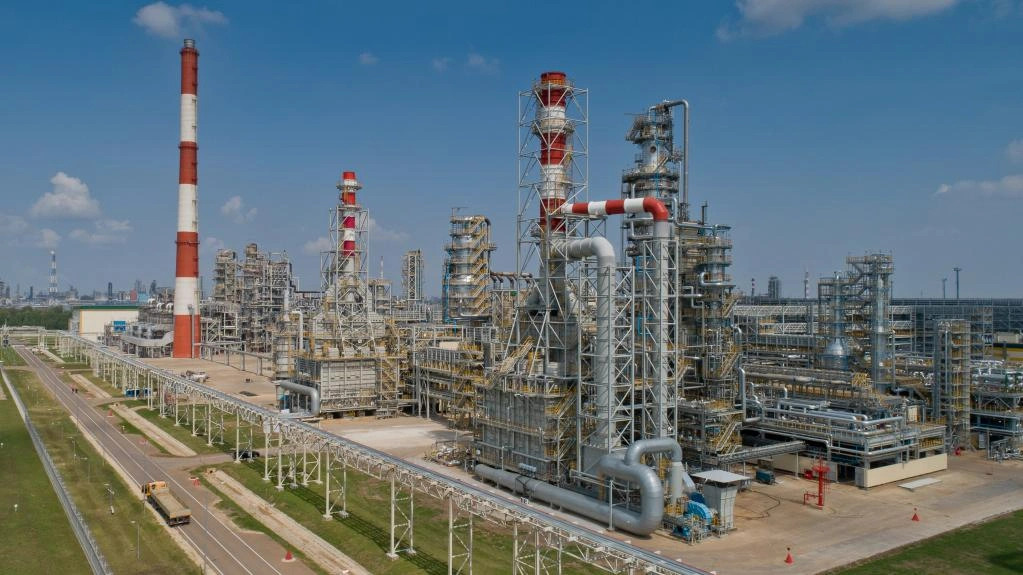
As per a Reuters report, continued drone attacks on oil refineries of Russia have led to the decreased refining capability of oil refineries in various regions. With declining fuel production, shortages have emerged in various parts of the country, prompting the government to seek supply from abroad. Now India is one of the nations that have offered assistance to Russia in coping with the fuel shortage problem.
It is an indicator of modern warfare where strategic infrastructures have become the targets rather than military installations. Fuel storage facilities and logistics have become one of the critical areas of concern in the modern battlefield scenario.
Ukraine’s Drone Campaign Is Changing the Nature of the War
Since expanding its long-range drone capabilities, Ukraine has increasingly targeted Russia’s energy infrastructure. Instead of focusing only on military bases, Ukrainian forces have carried out attacks on oil refineries, storage depots, and fuel-processing facilities located hundreds of kilometers from the front lines.
Military analysts believe these strikes are intended to reduce Russia’s ability to produce fuel needed for military operations while also increasing economic pressure within the country.
Several refineries have reportedly suffered damage over recent months, forcing temporary shutdowns and reducing the volume of refined petroleum products entering the domestic market.
Although Russia has continued repairing damaged facilities, repeated attacks have made it difficult to restore production fully before new strikes occur.
Fuel Shortages Spread Across Russia
The impact of refinery disruptions is now becoming visible across Russia.
Reports indicate that motorists in several regions have experienced fuel shortages, with long queues forming outside petrol stations. In some areas, supplies have reportedly become limited as demand continues to rise during the summer travel season.
Russia stretches across eleven time zones, making fuel distribution one of the country’s biggest logistical challenges even under normal conditions.
When refinery production falls, transporting available fuel to distant regions becomes increasingly difficult, leading to uneven supplies and local shortages.
Authorities have also faced rising petrol prices as demand exceeds available supply in some areas.
The combination of reduced production and higher seasonal consumption has placed additional pressure on the country’s energy network.
India Reportedly Supplies Emergency Petrol Shipments
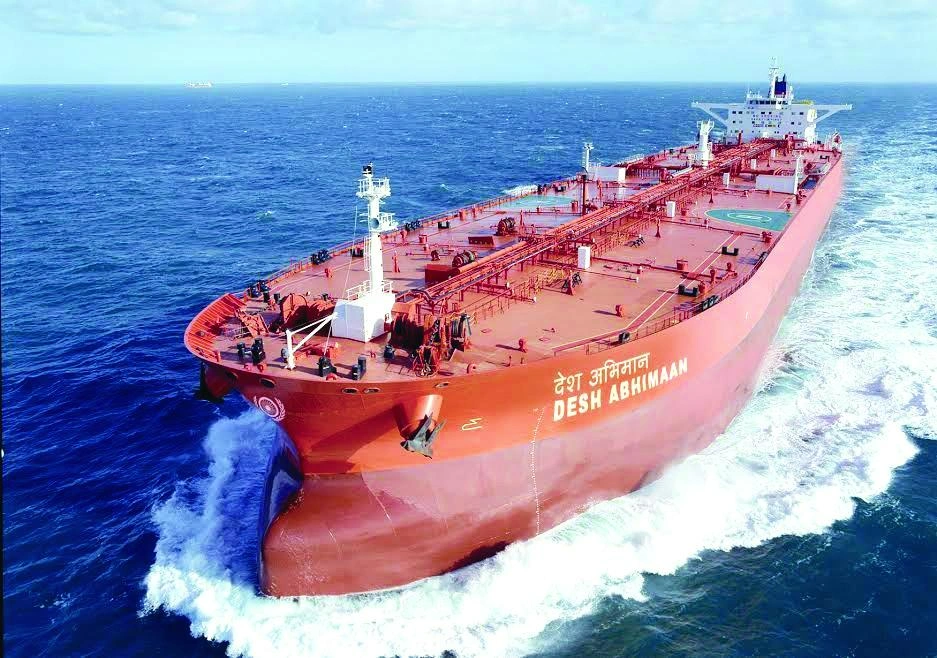
According to industry sources quoted by Reuters, approximately 60,000 metric tonnes of petrol have already been dispatched from India to Russia.
The report states that at least two fuel tankers carrying between 30,000 and 40,000 tonnes each were sent as part of the initial shipments.
While neither India’s oil ministry nor Russia’s energy ministry has officially confirmed the details, the reported exports indicate growing energy cooperation between the two countries during a period of supply disruption.
India has become one of the world’s largest refining hubs in recent years and possesses the capacity to export refined petroleum products to multiple international markets.
Its extensive refining infrastructure allows it to process crude oil from different sources before exporting products such as petrol, diesel, and aviation fuel.
Kremlin Acknowledges Import Discussions
Kremlin spokesperson Dmitry Peskov confirmed that Russia is considering importing fuel from friendly countries as part of efforts to stabilize domestic supplies.
According to Peskov, discussions with several countries are currently underway.
He described the initiative as an important step toward calming the domestic market and reducing panic buying among consumers.
The Russian government is attempting to reassure the public that sufficient fuel supplies will remain available despite continued attacks on refining infrastructure.
Officials hope that imported petrol can temporarily reduce pressure until damaged refineries return to full production.
Government Introduces Measures to Stabilise the Market
Russia is also introducing economic measures to deal with the fuel crisis.
The country’s parliament recently approved amendments to the tax system designed to address fuel shortages and encourage imports.
Reports indicate that subsidies linked to imported fuel costs are also being considered to make overseas purchases financially viable.
These measures are intended to prevent further price increases while ensuring that fuel remains available across different regions.
Government intervention has become increasingly necessary as domestic production struggles to meet demand.
Why India’s Role Matters
India occupies a unique position in global energy markets.
Although the country imports large volumes of crude oil, it also operates some of the world’s largest and most advanced oil refineries.
These facilities allow India to export refined petroleum products to numerous countries.
Over the past few years, India has significantly expanded its energy trade with Russia, purchasing discounted Russian crude before refining and exporting petroleum products worldwide.
The reported petrol exports now demonstrate another dimension of that growing energy relationship.
At the same time, India continues maintaining trade relationships with multiple global partners while balancing its broader diplomatic interests.
Global Energy Markets Continue Watching Closely
The reported imports underline how geopolitical conflicts increasingly affect global energy markets.
Damage to production facilities in one country often creates ripple effects across international trade, shipping, and fuel pricing.
Energy analysts continue monitoring whether additional refinery attacks could further reduce Russian production or increase demand for imported fuel.
If disruptions continue for an extended period, Russia may need larger volumes of imported petrol, potentially creating new trade opportunities for major refining countries.
Global oil traders are also watching developments closely because prolonged refinery disruptions can influence both crude oil demand and refined fuel markets.
Modern Warfare Is Targeting Infrastructure
The latest developments illustrate an important shift in military strategy.
Rather than focusing only on conventional battlefields, modern conflicts increasingly involve attacks on critical infrastructure that supports economic activity.
Oil refineries, power plants, transportation networks and industrial facilities have become strategic targets because their disruption can create long-term economic challenges.
Ukraine’s drone campaign demonstrates how relatively low-cost unmanned aircraft can affect vital national infrastructure located far from active combat zones.
For Russia, maintaining stable fuel supplies has become not only an economic issue but also a matter of national security.
Fuel Crisis Highlights the Wider Impact of the War
The reported petrol imports from India reflect the broader consequences of the Russia-Ukraine conflict beyond military operations.
Repeated drone attacks have placed sustained pressure on Russia’s refining sector, forcing the country to explore emergency fuel imports while introducing domestic measures to stabilize supplies.
Although Russian authorities are working to restore refinery operations and calm domestic markets, the situation demonstrates how infrastructure attacks can reshape economic realities during prolonged conflicts.
As the war continues, developments in energy infrastructure, fuel supplies, and international trade are likely to remain just as important as events taking place on the battlefield itself.
Click Here to subscribe to our newsletters and get the latest updates directly to your inbox.