
Hamas Returns Bodies of 4 Israeli Hostages, Including Mother and 2 Children
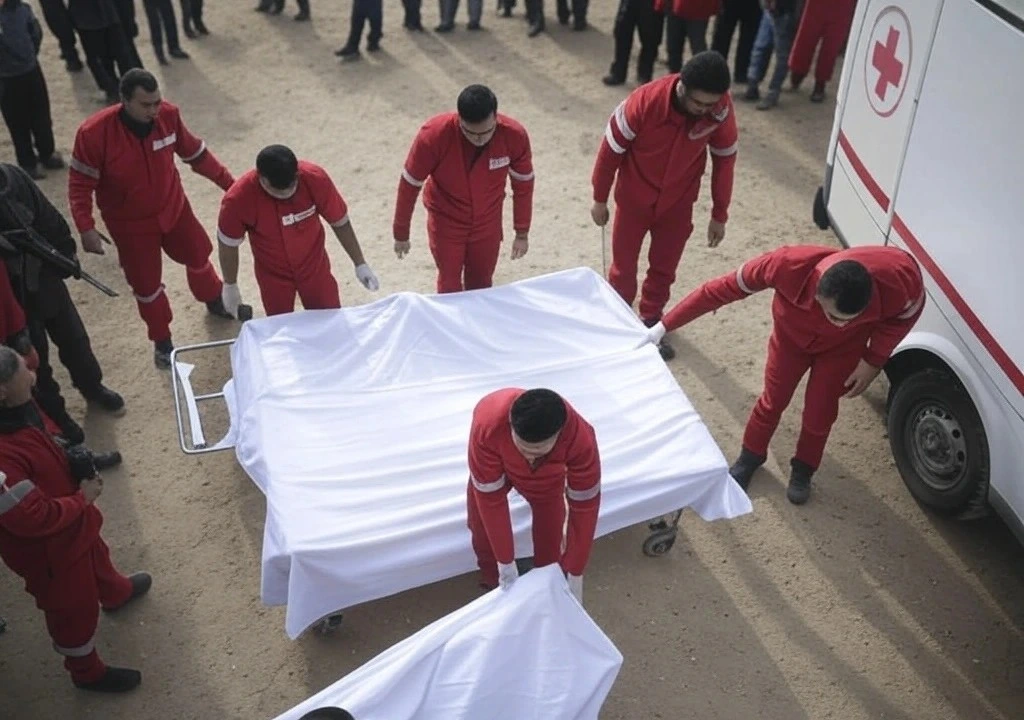
In a dramatic and emotionally charged twist, Hamas has returned the remains of four Israeli hostages, a mother, and two children. This was another tragic page in the still-unfolding Israel-Hamas war, a reminder of the human toll of war and the pressing need for its end. The return of the bodies has been met with emotional reactions from families, officials, and the international community as well, reopening the question of hostage negotiations and humanitarian intervention.
The Details of the Return
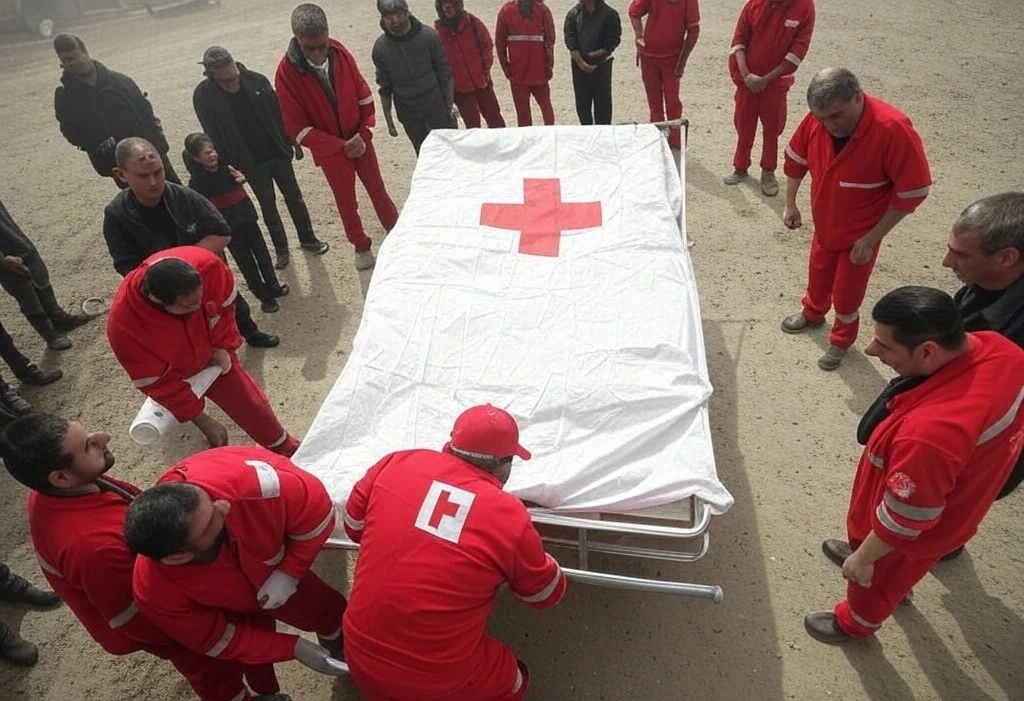
The corpses were handed over in an exchange negotiated by mediators, including foreign human rights organizations. The exchange was carried out under strict security measures, and Israeli authorities authenticated the identities of the victims. Authorities added that efforts to salvage all the hostages, either dead or alive, remain a top priority.
The return of these bodies comes in the midst of heightened tensions, where continuous military operations and diplomatic negotiations shape the destiny of the region. Israeli leaders have expressed their determination to witness the respectful return of all those under Hamas detention, noting the emotional value such events carry for the involved families as well as the nation in general.
Understanding the Hostages’ Background
The four were part of the hostages taken during the Hamas attack on Israel. Among the kidnapped were a mother and her two children, whose names have not been publicly disclosed to respect their privacy. Their abduction had brought about an outburst of grief and calls for immediate action by the Israeli government and the global community.
Since their abduction, families and activists have exerted persistent pressure for the safe release of the hostages in the form of vigils, demonstrations, and talks with the government. Their return is now in the form of remains, mounting the despair and highlighting the mercilessness of war.
Reactions from Officials and Families
Israeli officials condemned Hamas for the prolonged hostage-holding and for the horrific death of the hostages. Prime Minister Benjamin Netanyahu reiterated the government’s resolve to bringing all hostages home and holding responsible those responsible. The Israel Defense Forces (IDF) also pledged to proceed with their work in searching and rescuing the remaining hostages within the Gaza strip.
The victims’ relatives were shocked and saddened, and some of them called for further action to end losses of human lives. The Israeli population generally reacted in bereavement, and international organizations emphasized humanitarian interest in situations involving conflict.
The Bigger Picture: Ongoing Conflict and Hostage Negotiations
This incident occurs in the background of ongoing conflicts between Israel and Hamas, where escalations and military actions are frequent phenomena of the region. The hostage crisis has featured prominently in ceasefire negotiations, where captives have been utilized by both sides as part of negotiating parties.
Hamas had returned hostages previously in a negotiated settlement, but the act under such circumstances came with much deeper political significance. Bringing back corpses, rather than the living, represents the catastrophic conclusion to perpetually stalled fights and deadlocked negotiations.
The Humanitarian and Political Impact
The participation of humanitarian agencies in the facilitation of the return of the remains highlights the value of international intervention. Organizations such as the Red Cross have served important functions in the protection of hostages and pleading for their release.
Politically, the incident has the potential to affect ceasefire negotiations in progress and may pressure negotiators to enter into agreements concerning additional exchanges or conflict reduction. Nevertheless, violence remains to hang over diplomatic progress, rendering ultimate peace solutions nearly impossible.
A Bitter Reminder of War’s Cost
The repatriation of the bodies of four Israeli hostages, including a mother and her two children, is a poignant reminder of the devastating price war extracts on innocent lives. Although the gesture brings some solace to bereaved families, it also intensifies demands for immediate solutions to avoid further catastrophes. As both sides struggle through this intricate and traumatic conflict, humanitarian interventions and diplomatic solutions are more imperative than ever.
Click Here to subscribe to our newsletters and get the latest updates directly to your inbox