
India Recalls KV Subramanian from IMF: Unpacking the Early Exit and Its Implications
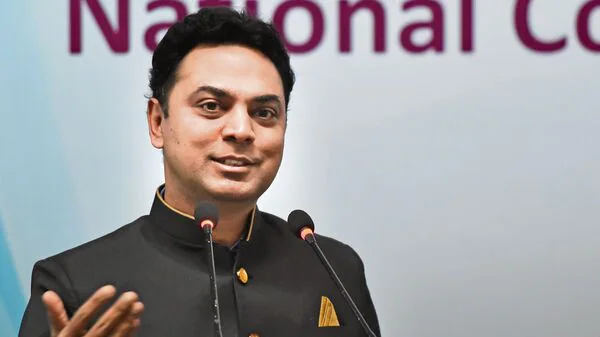
In a shock decision, the Indian government has withdrawn Krishnamurthy V Subramanian, its Executive Director (ED) at the International Monetary Fund (IMF), six months ahead of the expiration of his three-year term. The move, cleared by the Appointments Committee of the Cabinet (ACC) on April 30, 2024, is being questioned on the reasons for the sudden removal and its implications for India’s global economic governance role. This post explores Subramanian’s stint, the importance of the IMF ED position, the reasons behind the recall, and the future of India’s representation at the IMF.
Who is Krishnamurthy V Subramanian?
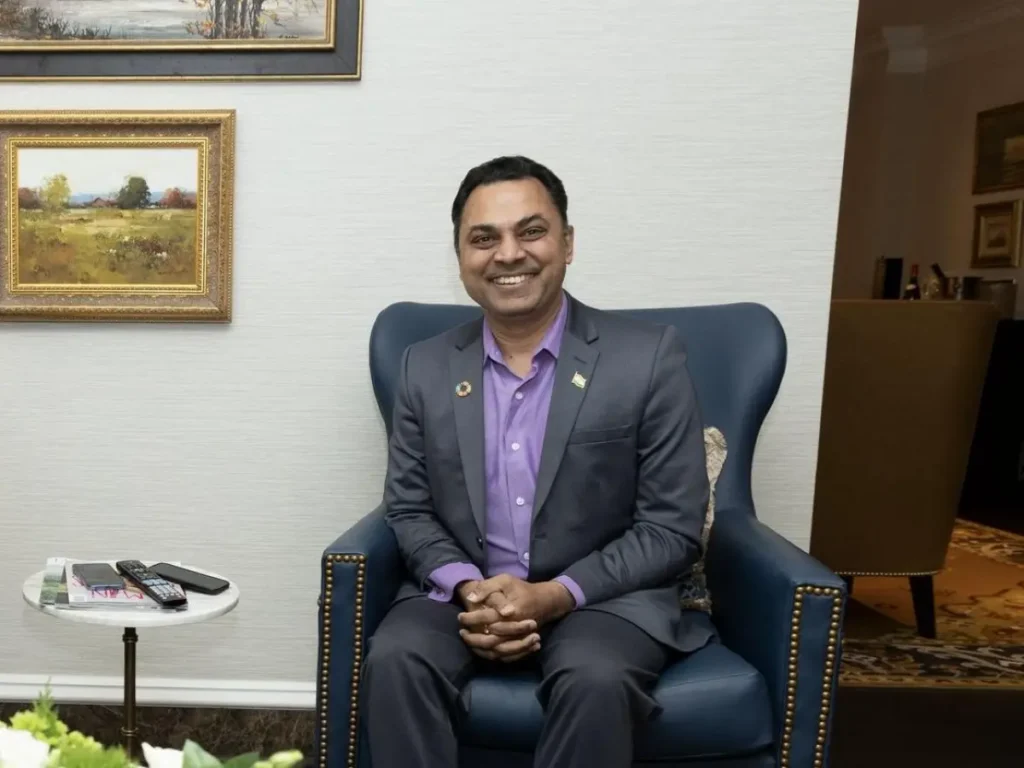
Krishnamurthy V Subramanian, a well-known economist and erstwhile Chief Economic Adviser (CEA) to the Government of India (2018–2021), is best remembered for his pro-growth policy advocacy. While in office as CEA, he promoted ideas such as wealth creation, entrepreneurship, and governance trust, summed up in the Economic Surveys he led. His educational qualifications are a PhD from the University of Chicago Booth School of Business and a teaching stint at the Indian School of Business.
In 2021, Subramanian was designated India’s ED at the IMF to represent a constituency that included Bangladesh, Sri Lanka, and Bhutan. His position made him the epicenter of economic policymaking worldwide, where he made decisions regarding financial stability, crisis management, and structural reforms.
The Role of an IMF Executive Director
The IMF Executive Board, which consists of 24 EDs, directs the operations of the institution, such as economic surveillance, lending facilities, and quota reviews. EDs speak on behalf of member country constituencies, promoting their interests in key debates. For India, the role is strategic, allowing it to influence policies that impact emerging economies and raise its voice in multilateral forums.
Subramanian’s responsibilities included:
- Policy Advocacy: Ensuring India’s priorities, such as equitable vaccine distribution during COVID-19 and climate financing, were reflected in IMF agendas.
- Constituency Coordination: Balancing the interests of Bangladesh, Sri Lanka, and Bhutan, each with distinct economic challenges (e.g., Sri Lanka’s debt crisis).
- Crisis Response: Contributing to IMF decisions on bailouts and debt restructuring for struggling nations.
Why Was Subramanian Recalled Early?
The ACC’s order cites “termination of services with immediate effect,” but the government has not publicly disclosed reasons. Speculation centers on several possibilities:
1. Alignment with Domestic Priorities
The administration may look for an ED whose opinions better reflect its present economic policy direction. Subramanian’s free market and privatization thrust in his time at CEA occasionally conflicted with the recent welfare-oriented policies of the administration. A replacement would be an indication of a policy shift towards social equity or digital infrastructure.
2. Preparations for a New Leadership Cycle
India may be adjusting its economic diplomacy team now that the general elections in 2024 are over and a new government has been installed. The recall of Subramanian might come before the appointment of representatives who support the updated mandate.
3. Need for Subramanian in a Domestic Role
According to rumors, Subramanian may be moved to a crucial domestic role, like an advisory or regulatory body, to use his IMF background to address India’s economic difficulties.
4. Dissatisfaction with Performance
Although unverified, Subramanian’s advocacy at the IMF may have angered the government. A more assertive representative might have been needed, for example, when India pushed for multilateral lending reforms or opposed strict climate conditionalities.
5. Routine Rotation (Unlikely)
IMF ED terms are typically three years, but early exits are rare. Past Indian EDs, like Surjit Bhalla, completed their terms, making this move unusual.
Implications for India and the IMF
Short-Term Disruptions
The immediate recall could temporarily weaken India’s influence at the IMF, especially during ongoing negotiations on quota reforms or debt relief for Sri Lanka. However, the IMF’s institutional memory ensures continuity, with deputies often stepping in during transitions.
Strategic Recalibration
India may use this opportunity to appoint an ED with expertise in emerging priorities like green finance or digital currencies. Names like former NITI Aayog CEO Amitabh Kant or Chief Economic Adviser V Anantha Nageswaran are circulating as potential candidates.
Constituency Dynamics
Bangladesh, Sri Lanka, and Bhutan might seek assurances that their concerns (e.g., Sri Lanka’s debt crisis) remain prioritized. A smooth transition is critical to maintaining trust within the constituency.
Global Perception
Frequent changes in representation could affect India’s image as a stable partner. However, a well-qualified successor could reinforce its commitment to multilateralism.
The Replacement Process
The ACC will nominate a candidate following rigorous bureaucratic and political scrutiny. The ideal candidate must possess:
- Economic Acumen: Deep understanding of global and domestic macroeconomic issues.
- Diplomatic Skills: Ability to negotiate consensus among diverse nations.
- Political Savvy: Alignment with the government’s vision while maintaining IMF neutrality.
Once nominated, the candidate must secure endorsement from Bangladesh, Sri Lanka, and Bhutan—a formality but crucial for constituency cohesion.
Precedents and Precedence
India’s past IMF EDs, including Arvind Virmani and Rakesh Mohan, completed their terms, making Subramanian’s recall an outlier. However, in 2020, the U.S. replaced its ED mid-term to appoint a Trump administration loyalist, suggesting political considerations can override tenure norms.
Navigating Transition in Turbulent Times
Subramanian’s premature departure highlights the dynamic tension between domestic agendas and international economic diplomacy. Although the recall is contentious, it presents India with an opportunity to rejuvenate its IMF representation in the face of evolving global challenges—climate emergencies, AI regulation, and debt sustainability.
The new ED will inherit a complicated mandate: promoting India’s interests and building multilateral cooperation. At a time when the world is facing economic instability, India’s decision will mark its willingness to take the lead in shaping a robust global financial architecture.
For the moment, the action remains clouded in mystery, symbolizing the art of walkabouts between the administration of affairs and the rest of the world. As they say, in international politics, people are policy—and India’s next move at the IMF will have much to say.
Click here to subscribe to our newsletters and get the latest updates directly to your inbox.