
Cadence and Nvidia Partner to Advance AI-Powered Robotics Development
Cadence and Nvidia have announced a new partnership to develop AI for robotics by combining physics simulation and AI models. Here’s what it means for the future of robotics.
Cadence and Nvidia Join Forces on Robotics AI
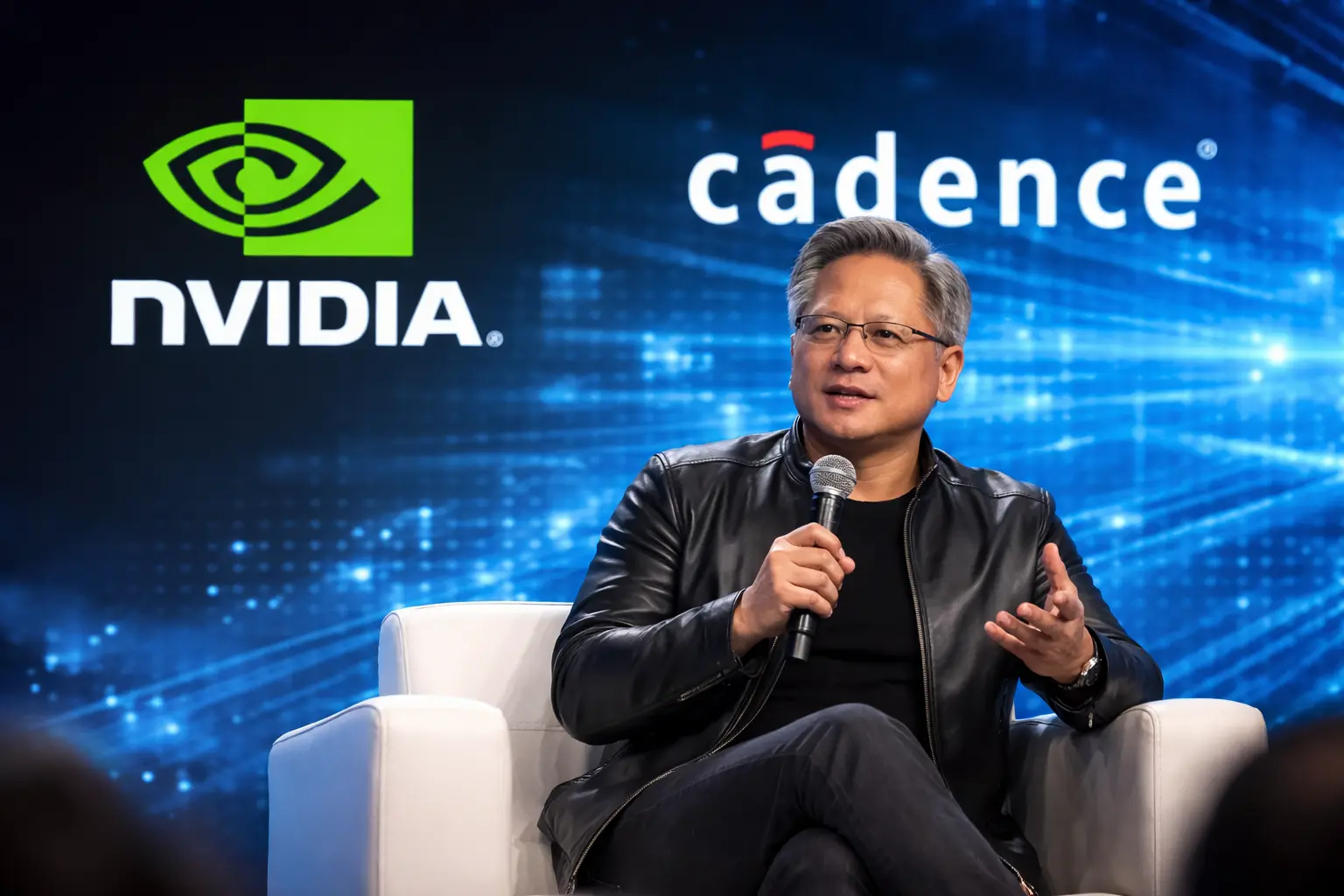
In a major move that could reshape the future of robotics, Cadence and Nvidia have announced a partnership to accelerate the development of artificial intelligence for robots.
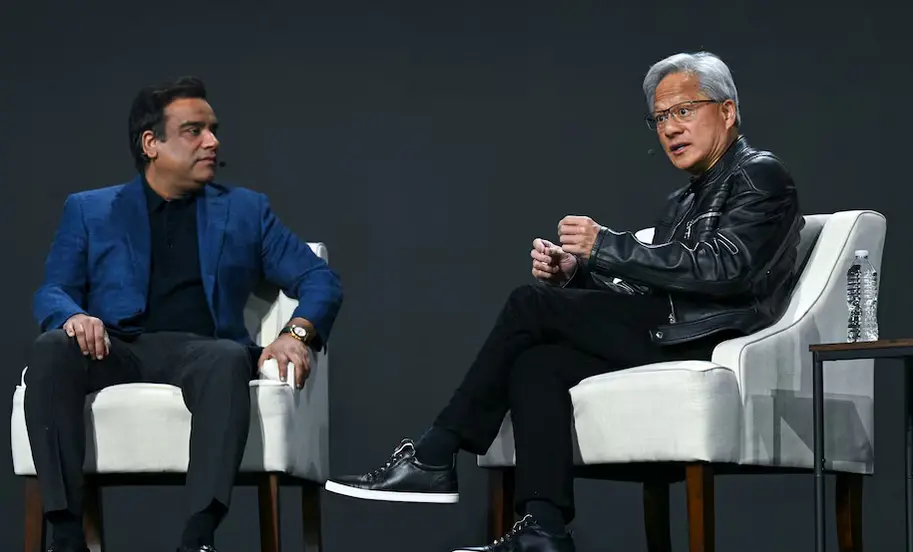
The collaboration, confirmed by the CEOs of both companies, aims to combine Cadence’s advanced physics simulation tools with Nvidia’s powerful AI models. Together, the companies are working to create more realistic and efficient environments for training robots—without the need for extensive real-world testing.
This development signals a significant step forward in how robots are designed, trained, and deployed across industries.
How the Technology Works
At the core of this partnership is the integration of two key technologies:
- Cadence’s physics engines, which simulate how materials behave in real-world conditions
- Nvidia’s AI models, which are used to train robots through machine learning
Cadence’s simulation tools can accurately predict how objects move, interact, and respond to forces such as gravity, friction, and pressure. By integrating these capabilities with Nvidia’s AI systems, robots can be trained in highly realistic virtual environments.
This approach is often referred to as “simulation-based training”, where robots learn tasks in a digital environment before being deployed in the real world.
Why Simulation Matters for Robotics
Training robots in the real world can be expensive, time-consuming, and sometimes dangerous. For example:
- Industrial robots may damage equipment during testing
- Autonomous machines may pose safety risks
- Physical prototypes require significant investment
Simulation solves these challenges.
By using virtual environments powered by advanced physics and AI, developers can:
- Test thousands of scenarios quickly
- Reduce development costs
- Improve safety and efficiency
This is where the Cadence–Nvidia partnership becomes particularly important. Their combined technologies could make simulations more accurate than ever before, narrowing the gap between virtual training and real-world performance.
Nvidia’s Growing Focus on Robotics AI
For Nvidia, the partnership aligns with its broader push into artificial intelligence and robotics.
The company has already invested heavily in AI platforms designed for robotics, including systems that allow machines to learn from simulated environments. Nvidia’s expertise in graphics processing units (GPUs) makes it a leader in handling the complex computations required for AI training.
By working with Cadence, Nvidia is strengthening its ability to create more realistic simulations—an essential factor for developing smarter and more adaptable robots.
Cadence Expands Beyond Chip Design
Meanwhile, Cadence Design Systems is expanding its role beyond traditional chip design software.
Known primarily for providing tools used in designing advanced semiconductor chips, Cadence is now leveraging its simulation technology to enter the fast-growing robotics and AI space.
Its physics engines, originally developed for chip and system design, are now being adapted to simulate real-world environments. This allows Cadence to play a critical role in the next generation of robotics innovation.
What This Means for the Future of Robotics
The collaboration between Cadence and Nvidia could have wide-ranging implications across multiple industries.
1. Manufacturing
Robots trained in simulation could become more precise and efficient, improving productivity in factories.
2. Healthcare
AI-powered robots could assist in surgeries, rehabilitation, and patient care with greater accuracy.
3. Autonomous Systems
From self-driving vehicles to delivery robots, improved simulation could enhance safety and performance.
4. Logistics and Warehousing
Companies could deploy smarter robots for inventory management, packaging, and transportation.
Overall, the partnership is expected to accelerate the adoption of robotics in real-world applications.
A Competitive Race in AI and Robotics
The announcement also highlights the growing competition in the global AI and robotics sector.
Tech giants and startups alike are investing heavily in developing intelligent machines. By combining simulation and AI, companies are aiming to create robots that can learn faster and adapt to complex environments.
The Cadence and Nvidia collaboration positions both companies at the forefront of this technological race.
Challenges Ahead
Despite the promise, there are still challenges to overcome:
- Ensuring simulations accurately reflect real-world conditions
- Managing the high computational costs of advanced AI models
- Addressing ethical and safety concerns related to robotics
However, experts believe that advancements in simulation and AI will gradually overcome these obstacles.
Conclusion
The partnership between Cadence and Nvidia marks an important milestone in the evolution of robotics.
By combining physics-based simulation with powerful AI models, the two companies are paving the way for smarter, safer, and more efficient robots. As industries continue to adopt automation, this collaboration could play a key role in shaping the future of how machines interact with the real world.
Click Here to subscribe to our newsletters and get the latest updates directly to your inbox