
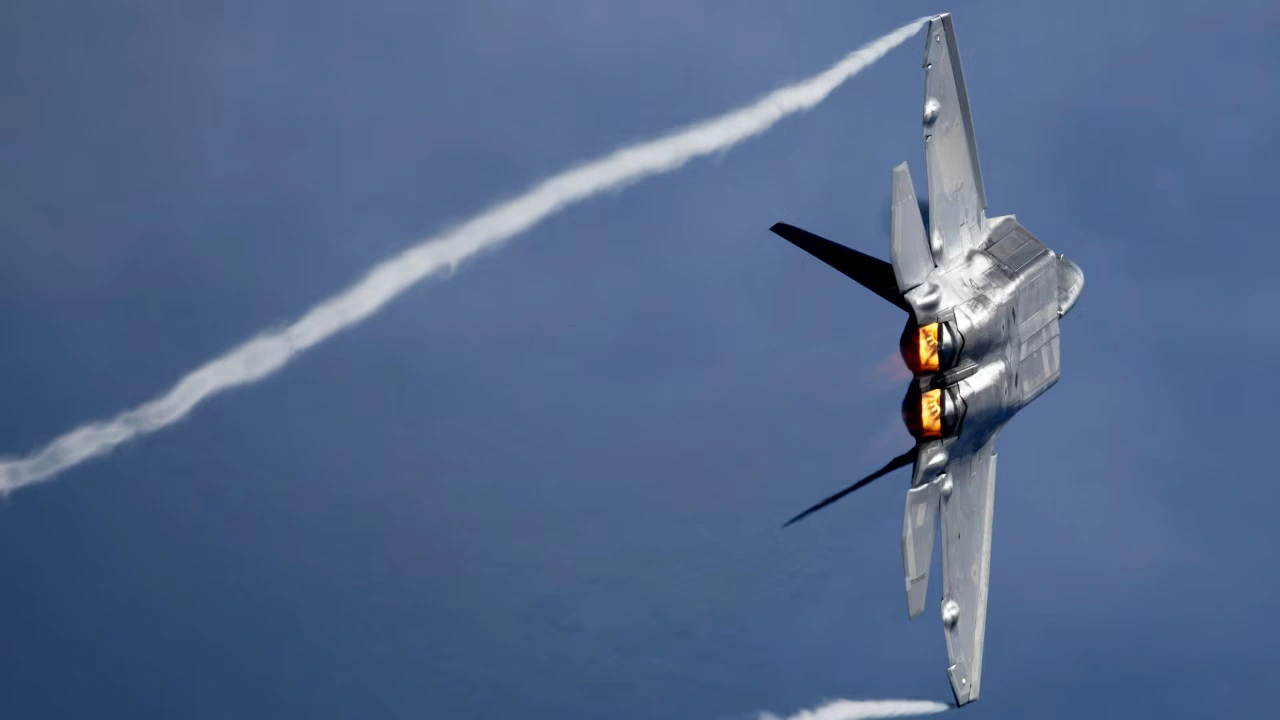
Israel Warns It Will ‘Pursue Every Successor’ to Iran’s Khamenei as War Intensifies
The conflict between Israel, Iran and the United States has entered a more dangerous phase, with military operations expanding and rhetoric from both sides becoming increasingly aggressive. As the war moved into its second week, Israel issued one of its strongest warnings yet, declaring that it would pursue “every successor” to Iran’s Supreme Leader Ayatollah Ali Khamenei if leadership changes occur in Tehran.
The statement signals a dramatic escalation in the tone of the conflict. While the war initially focused on military facilities and strategic infrastructure, the new rhetoric suggests that political leadership itself may now be seen as a target in the broader strategic confrontation.
At the same time, fighting across the region has intensified with airstrikes, missile attacks and competing claims from both sides about the course of the war.
Escalation of Airstrikes and Military Operations
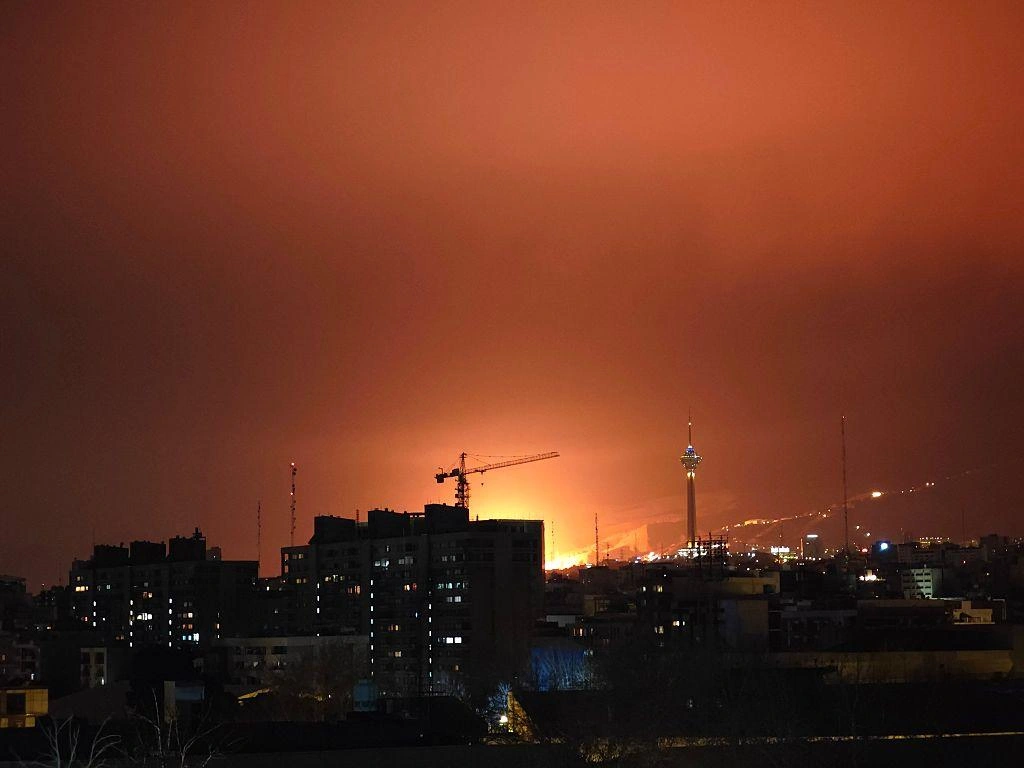
Recent days have seen a significant rise in military activity across the Middle East. United States and Israeli forces carried out strikes on Iranian oil facilities in Tehran, triggering large fires and visible damage in parts of the capital.
Energy infrastructure has become a strategic target because it represents both economic power and political leverage. By striking oil-related facilities, military planners aim to weaken the economic capacity of the opposing side.
Iran has responded with missile and drone attacks directed at various locations across the region. Several Gulf countries reported intercepting incoming projectiles, reflecting how the conflict is spreading beyond the borders of Israel and Iran.
These developments highlight the risk that the war could expand into a wider regional confrontation if additional countries become directly involved.
Claims of Captured US Soldiers
Another major point of controversy emerged when Iran’s senior security official Ali Larijani claimed that Iranian forces had captured “a number” of American soldiers since the war began.
The statement quickly drew international attention. However, the United States Central Command rejected the claim, saying no American service member had been taken prisoner during the conflict.
Conflicting claims are common in wartime, especially during fast-moving military operations. Governments often use information strategically to influence public opinion, morale and international perception.
While the truth behind the claim remains disputed, the exchange illustrates how information warfare has become an important component of modern conflicts.
Iran’s President Signals De-Escalation
Amid the military escalation, Iranian President Masoud Pezeshkian delivered a more conciliatory message to neighbouring countries.
He apologised to Gulf nations that had been affected by Iranian missile and drone attacks, saying that the strikes would stop. His remarks suggested an attempt to reassure regional partners that Iran does not want to expand the conflict further.
The statement may also reflect concern within Tehran about growing regional isolation. Several Middle Eastern countries have expressed anxiety about the war’s potential to destabilise trade routes, energy markets and national security.
Balancing military retaliation with diplomatic messaging has become one of Iran’s key challenges during the conflict.
Strategic Significance of Targeting Leadership
Israel’s warning that it would pursue successors to Iran’s Supreme Leader represents a shift in the strategic narrative of the war.
Historically, conflicts between states tend to focus on military infrastructure, strategic assets or combat units. Targeting or threatening political leadership raises the stakes significantly because it signals an attempt to reshape the political system of an adversary.
Such statements also carry symbolic weight. They demonstrate determination and resolve but can also intensify hostility and reduce opportunities for diplomatic negotiation.
In the context of the Israel–Iran conflict, the warning reflects deep mistrust between the two countries and their long-standing rivalry in the region.
Impact on Regional Stability
The war is already affecting multiple countries across the Middle East. Gulf states have reported missile and drone activity within their airspace, while shipping and aviation routes have faced disruptions due to security concerns.
Regional governments are closely monitoring the situation because the conflict has the potential to disrupt economic activity, particularly in sectors such as energy, tourism and international trade.
The Middle East remains one of the world’s most important energy-producing regions. Any instability that threatens oil production or transportation routes can quickly influence global markets.
This broader economic dimension means the war is not only a military issue but also a global economic concern.
Global Diplomatic Response
The international community has reacted with increasing concern as the conflict escalates.
Several world leaders and international organisations have called for restraint and dialogue. Diplomatic efforts are focused on preventing the conflict from expanding into a broader regional war.
Major global powers are particularly cautious because the Middle East conflict intersects with existing geopolitical tensions involving energy markets, military alliances and strategic partnerships.
International diplomacy now faces the difficult task of encouraging de-escalation while balancing the security concerns of multiple countries involved in the crisis.
Information Warfare and Media Narratives
Another important aspect of the conflict is the battle over information and narratives.
Both sides have released statements, videos and reports highlighting their military successes and criticising the actions of their opponents. These narratives influence how the war is perceived by domestic audiences as well as the international community.
Social media platforms have amplified these narratives, spreading information rapidly across the world. However, the speed of digital communication also increases the risk of misinformation and exaggerated claims.
As a result, observers must rely on multiple sources and verified reports to understand the true scale of developments on the ground.
Risks of Further Escalation
The biggest concern among analysts is the possibility that the conflict could escalate further.
If additional countries become involved directly, the war could expand into a broader regional confrontation. The presence of US military bases across the Middle East adds another layer of complexity because attacks on these facilities could trigger wider military responses.
At the same time, the conflict intersects with other regional tensions involving armed groups and proxy forces. These dynamics increase the unpredictability of the situation.
Preventing further escalation will require careful diplomatic engagement and strategic restraint from all parties involved.
Humanitarian and Civilian Impact
Beyond the military and political aspects, the war is already affecting civilians across the region.
Airstrikes, missile attacks and military operations create humanitarian challenges including displacement, infrastructure damage and disruptions to essential services.
Civilians living near conflict zones often face the greatest risks, as military targets are sometimes located close to residential areas.
Humanitarian organisations are preparing for potential crises if the conflict continues or expands further.
The Israel–Iran war has entered a critical stage marked by intensified military operations and increasingly sharp rhetoric. Israel’s warning that it would pursue successors to Iran’s Supreme Leader reflects the deepening strategic confrontation between the two countries.
At the same time, conflicting claims, diplomatic messaging and regional concerns highlight the complexity of the situation. While some leaders are signalling restraint, continued airstrikes and missile attacks show that the conflict remains highly volatile.
How the situation evolves will depend on military developments, diplomatic efforts and the willingness of regional and global actors to prevent further escalation. For now, the Middle East—and much of the world—continues to watch closely as the conflict unfolds.
Click Here to subscribe to our newsletters and get the latest updates directly to your inbox.