
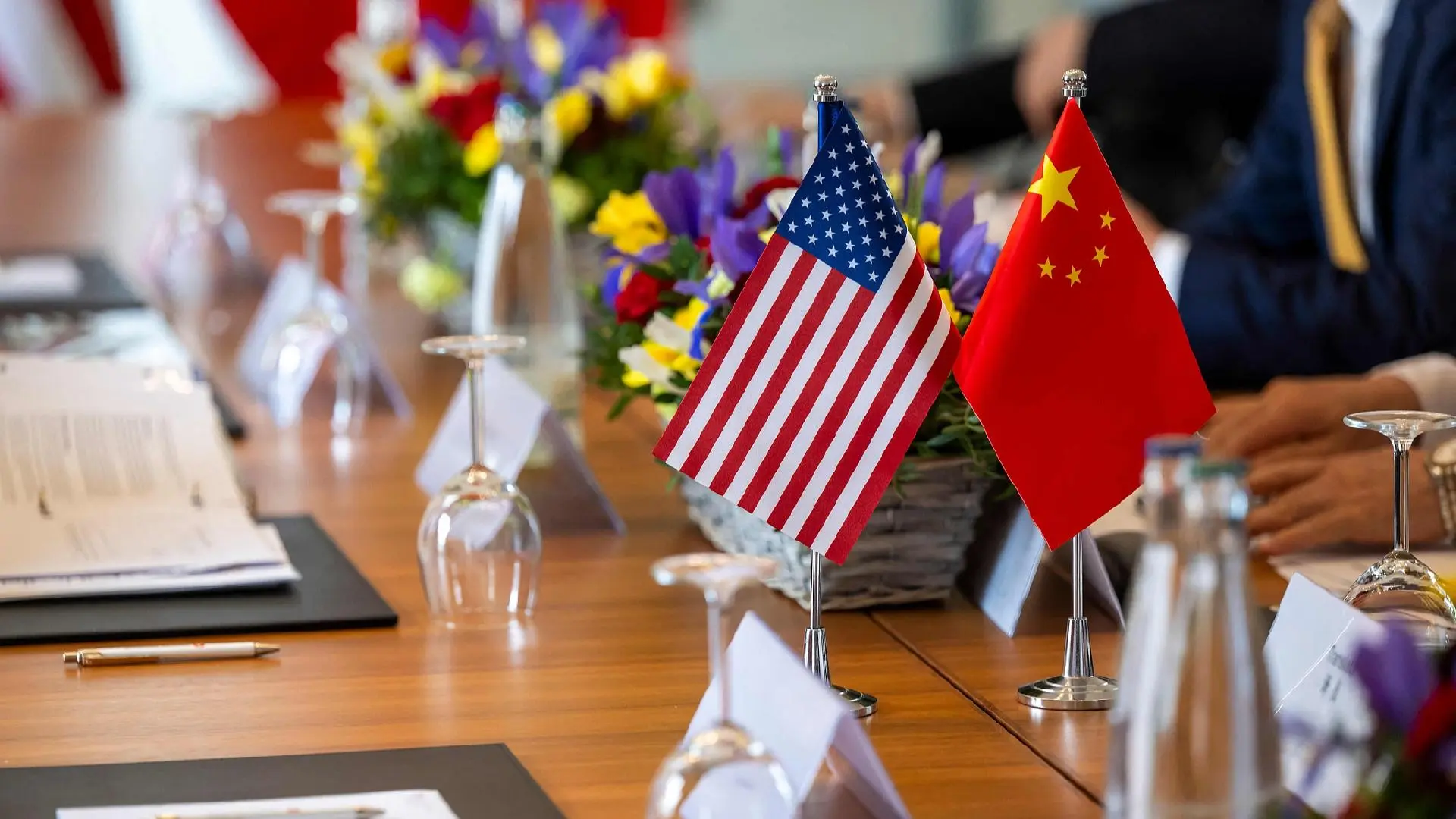
China’s new Trade Rules Before Trump Xi Summit: US Silent, Businesses Alarmed
China introduces new trade rules ahead of Trump-Xi summit, raising concerns among US businesses. Full analysis, reactions, and global impact.
Overview
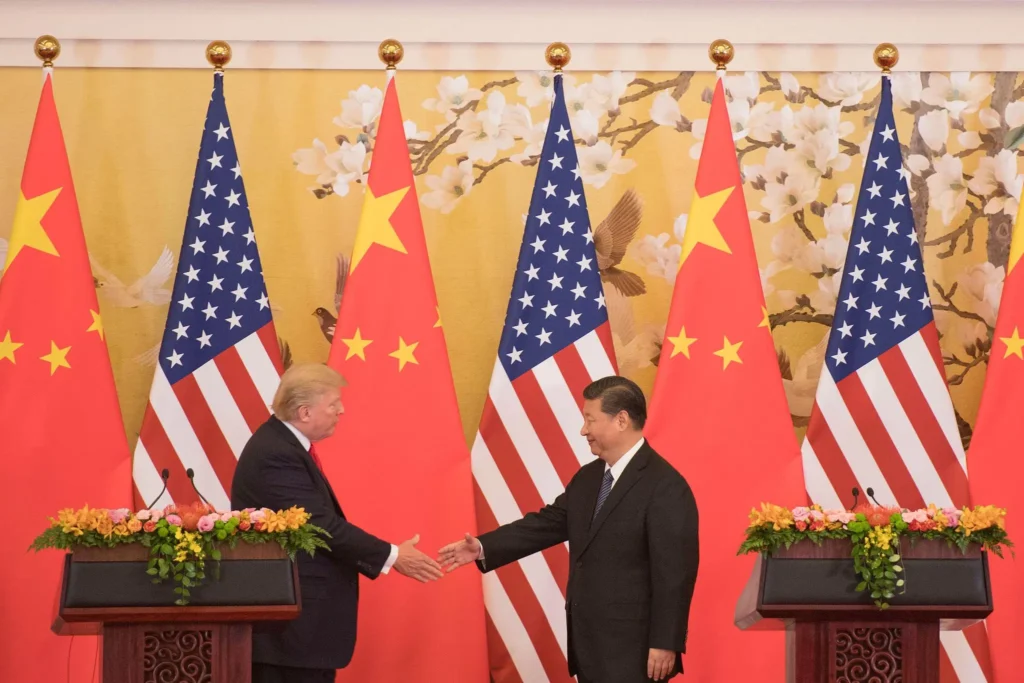
China’s New Trade Rules Spark Global Attention
A new round of trade tension is quietly building between the world’s two largest economies. China has introduced new trade regulations that could significantly impact how foreign companies operate, especially those trying to reduce dependence on Chinese supply chains.
The development comes just weeks before a crucial meeting between Donald Trump and Xi Jinping scheduled for mid-May.
What makes the situation more striking is the silence from Washington. Despite the potential implications, the White House has not publicly responded to Beijing’s move, raising questions about strategy and timing.
What China’s New trade Rules Actually Do
China’s newly introduced rules are designed to regulate how foreign companies shift their supply chains. According to reports, these regulations create a legal framework that could penalize companies attempting to move sourcing away from China.
In practical terms, this means businesses that follow US advice to “derisk” may face new challenges when operating in China.
The rules appear to discourage diversification of supply chains, effectively pushing companies to maintain or even deepen their reliance on Chinese manufacturing.
This is a direct contrast to the strategy promoted by the US government.
Why Timing Matters Before the Summit
The timing of these rules has drawn particular attention. They were announced just ahead of the Trump–Xi summit, a critical moment for trade relations.
A US official, speaking anonymously, told Reuters:
“The timing suggests Beijing is testing how eager the White House is to maintain the pause in the trade war.”
This suggests that China may be using the rules as a strategic signal. By introducing them now, Beijing could be assessing how far it can push without triggering a strong response from Washington.
US Strategy: “Derisking” vs Reality
The US has been encouraging companies to reduce dependence on China, particularly in strategic sectors such as critical minerals, pharmaceuticals, and advanced manufacturing.
This approach, often referred to as “derisking,” aims to:
- Strengthen domestic industries
- Reduce vulnerability to geopolitical tensions
- Build more resilient supply chains
However, China’s new rules complicate this strategy. Companies now face a difficult choice between following US policy or maintaining access to one of the world’s largest markets.
White House Silence Raises Questions
One of the most notable aspects of this situation is the lack of a public response from the White House.
In previous trade disputes, US officials have been quick to react. This time, the silence is being interpreted in different ways.
Some analysts believe the administration is avoiding escalation ahead of the summit. Others suggest it may indicate internal deliberations on how to respond.
The absence of a clear statement leaves businesses and markets uncertain about the US position.
Impact on US and Global Businesses
China’s new trade rules have already alarmed US businesses operating in China. Companies that were planning to diversify their supply chains may now face legal or operational challenges.
For multinational corporations, this creates a complex environment:
- Staying in China may conflict with US policy
- Leaving China could trigger regulatory consequences
- Balancing both becomes increasingly difficult
This uncertainty could slow down investment decisions and disrupt global supply chains.
Market and Public Reaction
The reaction from markets and industry experts has been cautious. Analysts warn that the rules could reshape global trade patterns if enforced strictly.
Some investors see this as a sign of increasing geopolitical risk, which could lead to volatility in global markets.
Public reaction has been more muted but reflects growing awareness of how geopolitical decisions affect everyday economics, from product availability to pricing.
A Strategic Power Play by China?
Many experts view China’s move as a strategic attempt to strengthen its position ahead of negotiations.
By introducing these rules, Beijing signals that it has leverage over global supply chains. It also highlights the difficulty of reducing dependence on China, even with strong policy support from other countries.
This could give China an advantage in upcoming discussions, as it demonstrates control over a critical aspect of the global economy.
What to Watch Before the Trump–Xi Meeting
The upcoming summit between Trump and Xi will be closely watched for signs of how both sides plan to handle these tensions.
Key areas to monitor include:
- Whether the US responds publicly to the new rules
- Any agreements or concessions during the summit
- Changes in trade policy or tariffs
- Reactions from global markets
The outcome of this meeting could set the tone for future trade relations.
The Bigger Picture
The introduction of China’s new trade rules highlights a deeper shift in global economics. Trade is no longer just about goods and services—it is increasingly tied to strategy, security, and influence.
For businesses, this means navigating a more complex and uncertain environment. For governments, it underscores the importance of balancing economic interests with geopolitical realities.
The silence from the White House adds another layer of uncertainty, making the upcoming summit even more significant.
As the world watches, one thing is clear: the relationship between the US and China continues to shape the global economy—and every move on either side carries far-reaching consequences.
Click Here to subscribe to our newsletters and get the latest updates directly to your inbox.