
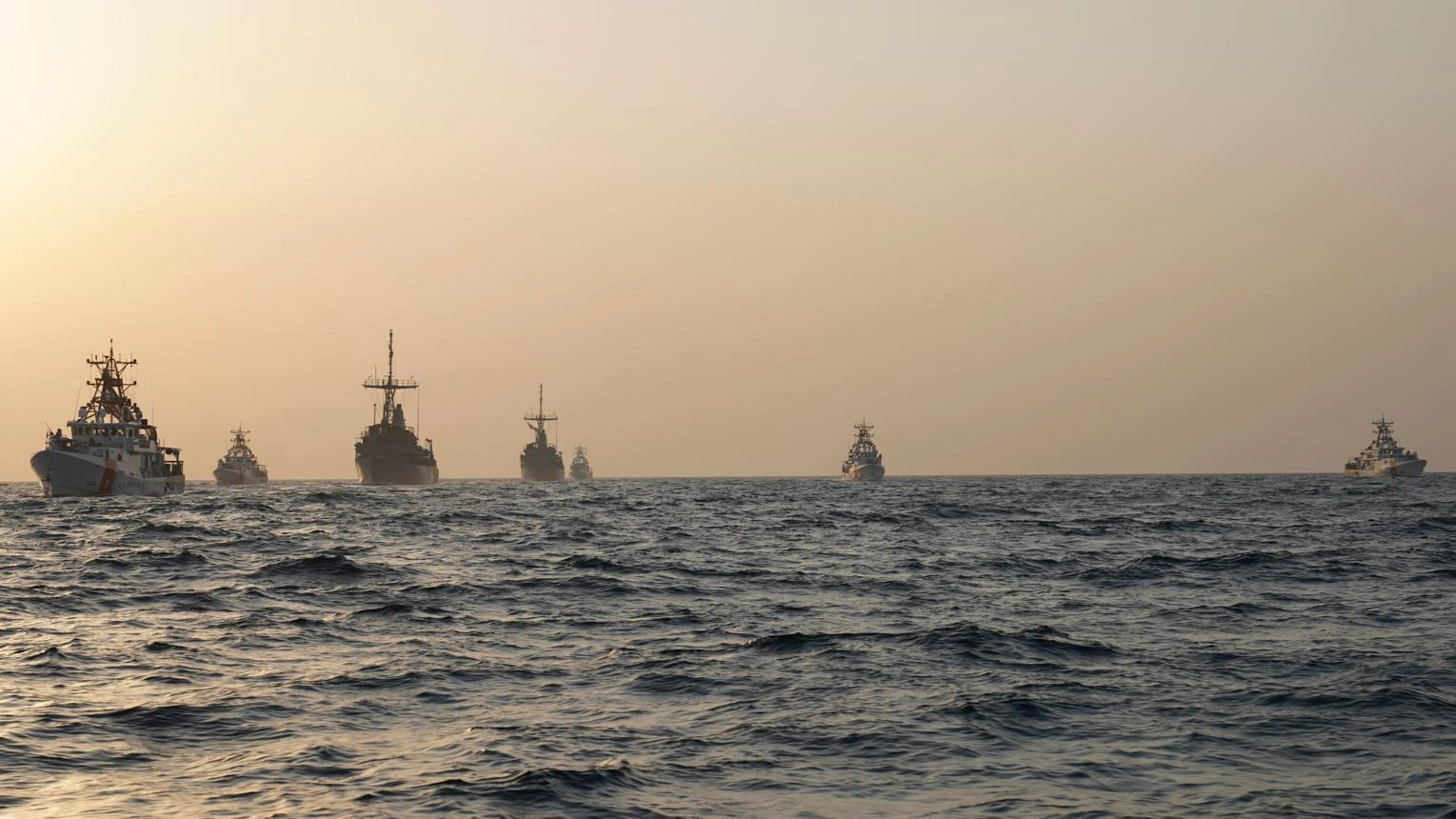
US Boards Iranian Tanker in Gulf of Oman as Strait of Hormuz Crisis Deepens
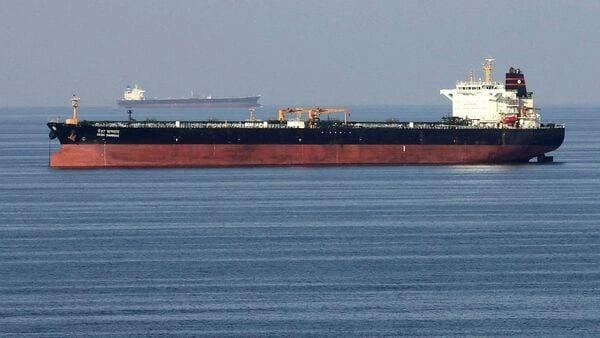
Tensions between the United States and Iran escalated sharply after American forces boarded an Iranian-flagged oil tanker in the Gulf of Oman amid the continuing Strait of Hormuz crisis and growing regional instability.
According to statements released by United States Central Command, the vessel identified as M/T Celestial Sea was intercepted and searched by US forces over suspicions that it may have violated restrictions connected to the ongoing American-led maritime blockade targeting Iranian-linked shipping operations.
The tanker was reportedly heading toward an Iranian port when US Marines conducted the boarding operation.
The latest incident marks another dangerous moment in the rapidly worsening confrontation between Washington and Tehran, as both sides continue increasing pressure in one of the world’s most strategically important maritime regions.
Gulf of Oman Becomes New Flashpoint
The Gulf of Oman has increasingly become a major geopolitical flashpoint since the United States intensified maritime restrictions linked to the wider Strait of Hormuz crisis.
The Trump administration introduced expanded pressure measures against Iranian shipping operations earlier this year after accusing Tehran of destabilizing regional energy routes and threatening global maritime security.
According to US officials, the latest operation represents the fifth commercial vessel boarded by American forces since the blockade measures were introduced in mid-April.
That growing frequency is alarming global shipping companies and energy markets, which already remain under pressure because of disrupted oil flows and rising geopolitical uncertainty.
US Military Defends the Operation
In a statement posted on social media, US Central Command said American Marines carried out the operation as part of maritime security enforcement efforts in the region.
The military stated that the boarding operation was conducted under existing security protocols aimed at monitoring potential violations linked to sanctions and maritime restrictions.
American officials have repeatedly argued that increased naval enforcement is necessary to maintain “safe navigation” and protect international shipping routes amid growing regional instability.
Washington continues accusing Iran of threatening freedom of navigation near the Strait of Hormuz, one of the world’s most important oil transit chokepoints.
However, Tehran strongly rejects those accusations and claims the US presence itself is escalating tensions.
Tehran Accuses US of Provocation
Iranian officials criticized the tanker boarding operation, describing it as another example of American provocation in regional waters.
State-linked Iranian media outlets framed the incident as part of broader economic and military pressure campaigns being carried out by Washington against Tehran.
Iran has repeatedly argued that US-led naval operations in the Gulf are undermining regional stability rather than protecting it.
The latest confrontation comes during an already highly sensitive period for Iran-US relations, as negotiations over shipping access, energy routes and regional military activity remain stalled.
Strait of Hormuz Crisis Continues Affecting Global Markets
The broader crisis surrounding the Strait of Hormuz continues to create serious consequences for global energy and shipping markets.
The narrow waterway remains one of the most critical oil transit routes in the world, handling a massive portion of global crude oil and liquefied natural gas shipments during normal operations.
However, continued military tensions and shipping disruptions have the following:
- Increased oil price volatility
- Raised shipping insurance costs
- Forced route adjustments
- Pressured global fuel supplies
Countries heavily dependent on Gulf energy imports, including India, China, and several European economies, are closely monitoring developments.
Any major escalation in the region could create immediate economic ripple effects worldwide.
Sailors Released After Diplomatic Intervention
Reports suggest that diplomatic channels were activated quickly following the boarding operation, eventually leading to the release of sailors connected to the vessel.
Although details remain limited, the release appears aimed at preventing the situation from escalating further diplomatically.
International observers say both Washington and Tehran are attempting to avoid direct military confrontation even as tensions continue rising through indirect pressure tactics.
That balance remains extremely fragile.
Public Reaction Reflects Fear of Wider Conflict
Public reaction globally has reflected growing concern that maritime incidents like this could eventually trigger a larger regional conflict.
On social media and international news forums, many users expressed fears that repeated tanker confrontations increase the risk of accidental escalation between US and Iranian forces.
Energy analysts also warned that continued military activity around commercial shipping lanes could further destabilize already volatile oil markets.
Others criticized both governments for escalating tensions while global economies remain vulnerable to inflation and supply chain disruptions.
Shipping Industry Facing Rising Risks
Commercial shipping companies are increasingly worried about operating in the Gulf region.
Maritime operators now face:
- Higher insurance premiums
- Security threats
- Route uncertainty
- Delayed cargo movement
- Increased operational costs
Several international shipping firms have reportedly reassessed Gulf transit strategies as military activity intensifies.
Industry experts warn that even limited disruptions in the region can rapidly affect the following:
- Global fuel prices
- Freight costs
- Airline operations
- Manufacturing supply chains
This is why maritime tensions around Iran are no longer viewed as only regional security issues — they are now major global economic concerns.
Trump Administration Continues Maximum Pressure Strategy
The tanker boarding operation reflects the Trump administration’s continuing “maximum pressure” strategy toward Iran.
Washington appears determined to use economic restrictions, naval enforcement, and diplomatic isolation to force Tehran into broader concessions over regional security and maritime access.
At the same time, the administration continues emphasizing that it does not seek full-scale war.
However, critics argue that repeated military confrontations create increasing risks of miscalculation.
The challenge with maritime standoffs is that even small incidents can escalate unexpectedly, especially in heavily militarized waters.
The Bigger Geopolitical Picture
The latest Gulf of Oman incident also highlights a larger transformation happening globally.
Modern geopolitical conflicts are increasingly fought through the following:
- Economic blockades
- Maritime pressure
- Cyber operations
- Sanctions
- Strategic infrastructure control
Rather than direct large-scale warfare alone.
The Strait of Hormuz crisis represents one of the clearest examples of how economic security and military strategy are now deeply interconnected.
Control over shipping lanes, oil routes, and trade access has become as strategically important as traditional military dominance.
Final Thoughts
The boarding of the Iranian tanker by US forces marks another serious escalation in the already volatile Gulf crisis.
While diplomatic intervention helped prevent immediate escalation this time, the underlying tensions remain unresolved.
As military operations, shipping disruptions and economic pressure continue intensifying around the Strait of Hormuz, the risks extend far beyond the Middle East.
Global energy markets, international trade, and economic stability are all increasingly tied to what happens next in these contested waters.
Click Here to subscribe to our newsletters and get the latest updates directly to your inbox.