
US-Iran Deal Talks Advance as Nuclear Limits and Strait of Hormuz Reopening Take Center Stage
The United States and Iran may be moving closer to one of the most significant diplomatic breakthroughs in recent years as details begin emerging about a possible agreement involving Iran’s nuclear program, enriched uranium stockpiles, and the reopening of the Strait of Hormuz.
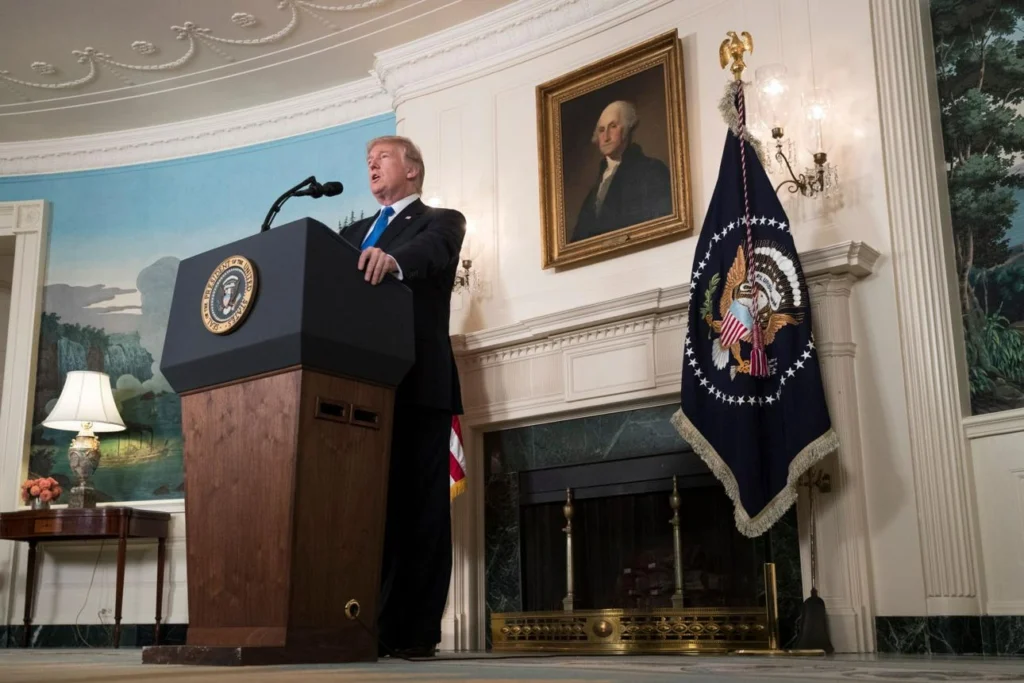
US President Donald Trump said on Sunday that Washington and Tehran had “largely negotiated” a deal and that final details were currently being discussed.
In a statement posted on social media, Trump indicated that an official memorandum of understanding could soon be announced, potentially marking a turning point in the nearly three-month-long crisis that has destabilized West Asia and shaken global energy markets.
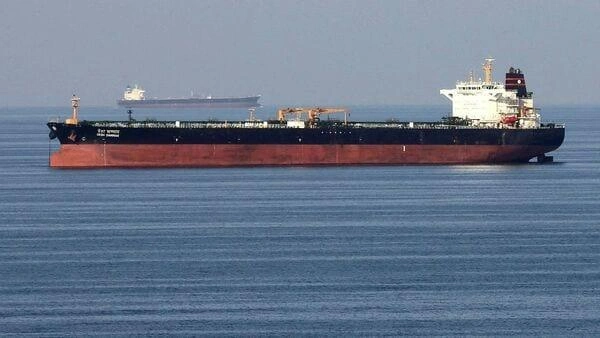
The comments immediately triggered global attention because the Strait of Hormuz remains one of the world’s most strategically important oil shipping routes.
Any agreement capable of reopening normal maritime activity there could have major economic and geopolitical consequences worldwide.
Strait of Hormuz Crisis Reshaped Global Energy Markets
The Strait of Hormuz has been at the center of global tensions since conflict escalated between Iran, Israel, and the United States earlier this year.
The narrow waterway handles a massive share of global crude oil and liquefied natural gas shipments. As military tensions intensified and shipping activity became disrupted, global energy markets experienced
- Rising oil prices
- Shipping delays
- Higher insurance costs
- Supply chain pressure
- Increased inflation risks
Countries heavily dependent on Gulf energy imports, including India, China, and several European economies, have been monitoring developments extremely closely.
This is why reports of possible diplomatic progress are now generating cautious optimism internationally.
Nuclear Restrictions Reportedly Part of the Deal
According to regional officials cited by the Associated Press, one of the central components of the proposed agreement involves Iran committing not to pursue an active nuclear weapons program.
The reports further suggest that Tehran may also agree to transfer portions of its highly enriched uranium stockpiles to American authorities under internationally monitored arrangements.
If confirmed, such a concession would represent one of the most important nuclear-related understandings between Washington and Tehran in years.
However, many details remain unclear.
Neither side has yet publicly confirmed the exact framework, verification systems, or enforcement mechanisms that would govern such an arrangement.
That uncertainty means negotiations remain highly sensitive.
Marco Rubio Signals “Significant Progress”
US Secretary of State Marco Rubio also commented on the negotiations during his visit to India.
Speaking to reporters, Rubio said that “significant progress, although not final progress” had been made in the discussions.
He added that he hoped positive developments could emerge within the coming hours.
The remarks suggest the negotiations may have entered a highly delicate final phase where both sides are attempting to resolve remaining technical and political disagreements before making a formal announcement.
Diplomatic sources say issues surrounding sanctions, verification protocols, and regional security guarantees remain particularly sensitive.
Trump Administration Seeking Strategic Win
The potential agreement would represent a major geopolitical victory for the Trump administration if finalized successfully.
Since returning to office, Trump has pursued an aggressive strategy toward Iran involving
- Economic pressure
- Maritime restrictions
- Military deterrence
- Diplomatic negotiations
At the same time, the administration has repeatedly insisted that it prefers negotiated solutions over full-scale military conflict.
The possible Hormuz and nuclear agreement appears aimed at achieving both security and economic objectives simultaneously.
By reducing tensions around Gulf shipping routes, Washington could help stabilize energy markets while also limiting Iran’s nuclear capabilities.
Iran Faces Pressure From Multiple Directions
Iran also has strong incentives to pursue de-escalation.
The country has faced mounting economic pressure because of
- Sanctions
- Shipping restrictions
- Energy export disruptions
- Currency instability
- Domestic inflation
At the same time, prolonged regional conflict has increased risks for Iran’s broader economic and political stability.
Reopening the Strait of Hormuz fully could help restore critical energy revenues and ease some pressure on Iran’s economy.
However, any agreement involving enriched uranium transfers is likely to remain politically controversial inside Iran.
Hardline factions within the country may view such concessions as compromising national sovereignty.
Global Markets React With Cautious Optimism
Financial and energy markets reacted carefully to reports of diplomatic progress.
Oil prices showed signs of stabilization as traders interpreted the developments as a possible signal that shipping conditions in the Gulf may gradually improve.
Analysts noted that even the possibility of reduced tensions around Hormuz can significantly affect global energy pricing because markets remain highly sensitive to supply disruptions.
However, many investors remain cautious because previous US-Iran negotiations have often broken down unexpectedly.
Markets are therefore waiting for formal confirmation before fully adjusting expectations.
Public Reaction Split Internationally
Public reaction to the emerging reports has been mixed.
Supporters of diplomacy argued that avoiding a prolonged regional conflict would benefit both global stability and energy security.
Others questioned whether either side could fully trust the other given the long history of failed agreements and mutual hostility between Washington and Tehran.
On social media, debates intensified around whether handing over enriched uranium would truly guarantee long-term nuclear restraint or simply delay future tensions temporarily.
Some critics also warned that unresolved regional disputes involving Israel, proxy groups, and Gulf security could continue fueling instability regardless of any single agreement.
The Nuclear Issue Remains Deeply Sensitive
Iran’s nuclear program has remained one of the world’s most contentious geopolitical issues for decades.
Western governments have long accused Tehran of pursuing capabilities that could eventually support nuclear weapon development. Iran has consistently insisted its program is intended for civilian and peaceful purposes.
Multiple agreements and negotiations over the years have repeatedly faced collapse because of disagreements involving:
- Sanctions relief
- Uranium enrichment levels
- International inspections
- Regional military activity
That history makes many analysts cautious about predicting lasting resolution too early.
The Bigger Geopolitical Picture
The possible US-Iran deal also reflects a broader global reality:
modern geopolitical conflicts are increasingly connected to energy security and economic stability.
The Strait of Hormuz crisis demonstrated how regional instability can rapidly affect:
- Global oil markets
- Inflation
- Shipping networks
- Airline costs
- Supply chains worldwide
This interconnectedness is why major powers remain deeply invested in preventing prolonged disruption in the Gulf region.
Final Thoughts
The emerging US-Iran agreement could potentially become one of the most important geopolitical developments of the year.
If finalized, it may help:
- Reduce tensions in West Asia
- Stabilize global energy markets
- Reopen shipping routes
- Limit nuclear escalation risks
But major uncertainties remain.
The history of US-Iran relations is filled with fragile diplomacy, broken agreements, and sudden escalations.
That means the coming days may prove critical not only for Washington and Tehran but for global economic stability itself.
Click Here to subscribe to our newsletters and get the latest updates directly to your inbox.