
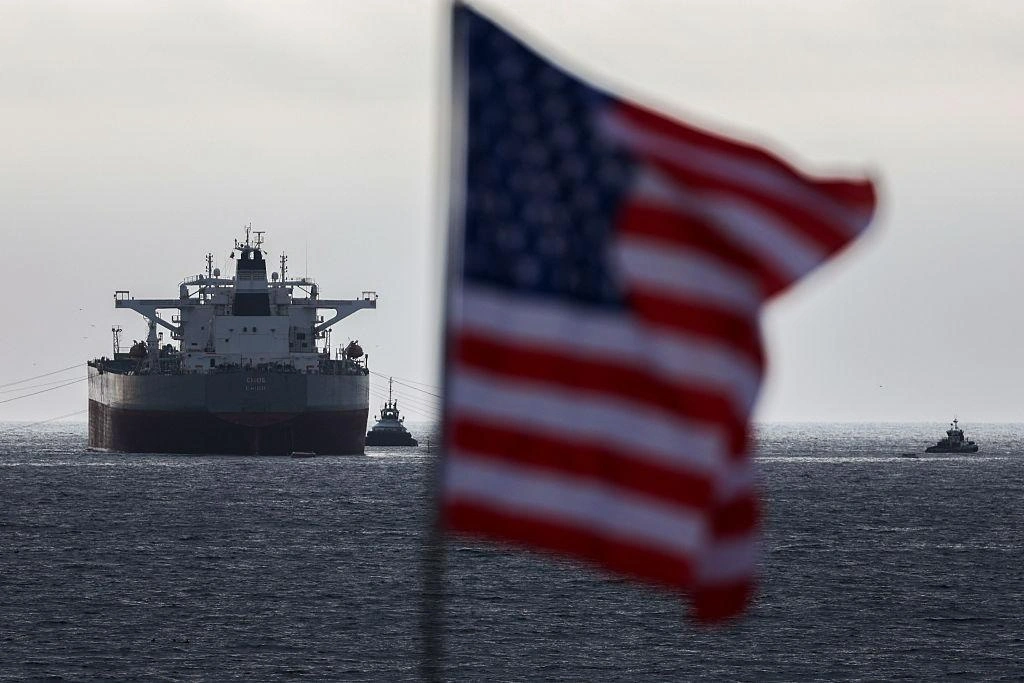
Strait of Hormuz Could Reopen Within 30 Days if US-Iran Deal Holds, Report Suggests
After months of military tension, oil market panic, and disrupted shipping activity, the Strait of Hormuz may finally be moving toward partial normalization as signs of a possible US-Iran agreement grow stronger.
According to reports linked to Iran’s semi-official Tasnim news agency, commercial ship movement through the Strait of Hormuz could return to pre-war levels within 30 days if the emerging agreement between Washington and Tehran is finalized successfully.
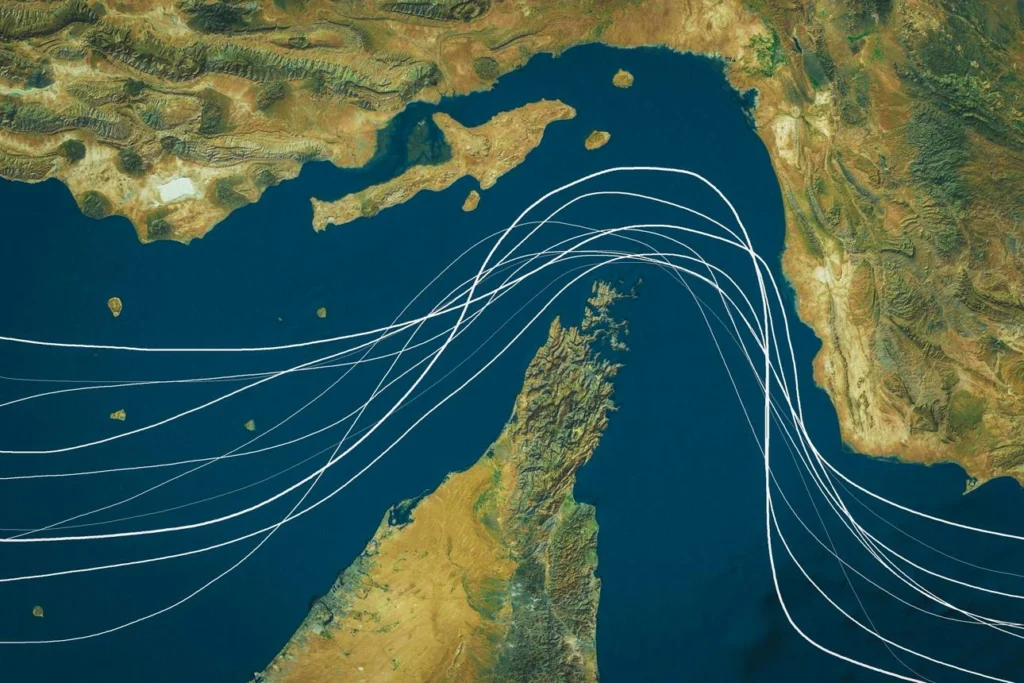
The development is being closely watched worldwide because the Strait of Hormuz is not just another shipping corridor. It remains one of the most important energy chokepoints on Earth, handling roughly 20 percent of global oil supply during normal operations.
For nearly three months, instability around the Gulf region has disrupted shipping patterns, increased insurance costs and sent energy markets into extreme volatility.
Now, for the first time in weeks, global markets are seeing realistic signs of de-escalation.
Trump Says US-Iran Deal Is “Largely Negotiated”
US President Donald Trump said recently that Washington and Tehran had “largely negotiated” a truce agreement, with final details still under discussion.
According to emerging reports, the proposed memorandum of understanding may include:
- Reopening shipping lanes
- Lifting maritime restrictions
- Releasing frozen Iranian assets
- Easing sanctions under specific conditions
- Limiting nuclear escalation risks
While neither side has officially published the full agreement framework yet, multiple diplomatic signals suggest negotiations are now in an advanced stage.
That alone has already started influencing global energy sentiment.
Why the Strait of Hormuz Matters So Much
The Strait of Hormuz connects the Persian Gulf to the Arabian Sea and serves as a critical export route for oil-producing nations including:
- Saudi Arabia
- Iraq
- Kuwait
- Qatar
- United Arab Emirates
- Iran
When tensions escalated in the region earlier this year, shipping companies began avoiding certain routes, insurance costs surged and naval activity intensified.
As a result, oil markets experienced:
- Supply fears
- Price spikes
- Delivery delays
- Increased freight costs
Countries heavily dependent on imported energy, including India, China and several European economies, felt immediate pressure.
That is why even small diplomatic progress around Hormuz now carries enormous global significance.
Shipping Industry Wants Stability More Than Speed
Although reports suggest shipping could normalize within 30 days after a deal is signed, many maritime analysts believe the recovery may happen gradually rather than instantly.
Commercial shipping companies remain cautious.
Even if political agreements are reached, insurers, logistics firms and tanker operators will likely wait for:
- Stable naval conditions
- Reduced military presence
- Consistent security guarantees
- Lower insurance risk ratings
before fully returning to pre-war operating levels.
In global shipping, confidence returns slower than headlines.
Still, the possibility of normalization itself is already being viewed positively by markets.
Naval Blockades Could Be Lifted Within a Month
According to Tasnim’s reported details, the US naval blockade around Iranian ports may be lifted completely within 30 days after a formal agreement takes effect.
That would represent a major shift from the current situation.
The blockade, introduced earlier this year amid rising tensions, severely disrupted:
- Iranian energy exports
- Regional maritime traffic
- Commercial logistics
- Oil transportation flows
The reported agreement may also involve sanctions waivers allowing Tehran access to frozen financial assets abroad.
If implemented, those measures could significantly reduce economic pressure on Iran while also easing tension across Gulf shipping networks.
Oil Markets React Carefully
Energy markets have responded cautiously to the reports.
Oil traders understand that the Strait of Hormuz situation remains highly sensitive, and previous negotiations between the US and Iran have collapsed unexpectedly in the past.
Still, expectations of possible shipping normalization have helped calm some market fears around immediate supply disruptions.
Analysts say the biggest impact of a successful agreement could be:
- Reduced oil price volatility
- Lower freight premiums
- Improved tanker movement
- Better supply predictability
However, experts also warn that markets may remain nervous until formal implementation begins.
Iran Also Faces Strong Economic Pressure
The reports highlight how much economic pressure Iran itself has been facing during the conflict.
Shipping restrictions, sanctions and export disruptions have significantly strained Tehran’s economy over recent months.
Reopening the Strait of Hormuz fully would help Iran:
- Restore energy revenues
- Reduce economic isolation
- Improve financial liquidity
- Stabilize domestic markets
This creates strong incentives for Tehran to pursue de-escalation despite ongoing political tensions with Washington.
However, internal political resistance inside Iran may still complicate negotiations, especially regarding nuclear commitments and foreign oversight mechanisms.
The Nuclear Issue Still Remains Sensitive
One of the most closely watched parts of the emerging negotiations involves Iran’s nuclear programme.
Reports suggest the proposed deal may require Tehran to:
- Limit nuclear development
- Transfer highly enriched uranium
- Accept monitoring arrangements
If confirmed, these conditions would become among the most significant nuclear-related concessions in years.
But the nuclear issue remains deeply controversial both inside Iran and internationally.
Critics argue that previous agreements failed because trust between both sides remained extremely weak.
That means even if shipping tensions ease temporarily, deeper geopolitical rivalry may continue.
Public Reaction Shows Cautious Optimism
Public reaction globally has reflected cautious optimism rather than full confidence.
Many consumers and businesses hope reopening Hormuz will eventually:
- Reduce fuel prices
- Ease inflation pressure
- Improve shipping stability
- Lower airline costs
At the same time, many analysts and observers remain skeptical about how durable any agreement will actually be.
On social media, users debated whether the current negotiations represent genuine diplomacy or simply a temporary pause in a larger geopolitical confrontation.
That uncertainty still hangs heavily over global markets.
Why the World Is Watching So Closely
The Strait of Hormuz crisis has become much bigger than a regional conflict.
It now affects:
- Global oil prices
- Inflation worldwide
- Airline operations
- Shipping networks
- Industrial supply chains
- Financial markets
This is why governments, investors and businesses everywhere are closely monitoring every diplomatic update involving Washington and Tehran.
Very few maritime corridors have as much influence over the global economy as Hormuz.
Final Thoughts
The possibility that Strait of Hormuz shipping could return to pre-war levels within 30 days offers one of the clearest signs yet that the worst phase of the Gulf energy crisis may finally be slowing down.
But the situation remains fragile.
Diplomatic agreements can reduce tensions quickly on paper, yet rebuilding trust across global shipping networks, energy markets, and geopolitical relationships takes much longer.
For now, the world is watching carefully—because what happens next in the Gulf may shape fuel prices, inflation, and economic stability far beyond the Middle East itself.
Click Here to subscribe to our newsletters and get the latest updates directly to your inbox.