

Can Iran’s Oil Reservoirs Really Explode? What Donald Trump’s Warning Actually Means
As tensions continue between the United States and Iran over the ongoing conflict in West Asia, US President Donald Trump recently claimed that Iran’s oil infrastructure could face serious damage if the country is unable to move its crude oil exports because of disruptions around the Strait of Hormuz.
Trump said that if Iran cannot continue exporting oil, the country’s entire oil system could eventually “explode” because crude oil would continue piling up with nowhere to go.
The statement quickly gained attention online and created confusion among many people wondering whether oil reservoirs can actually explode simply because storage becomes full.
The reality is more complicated.
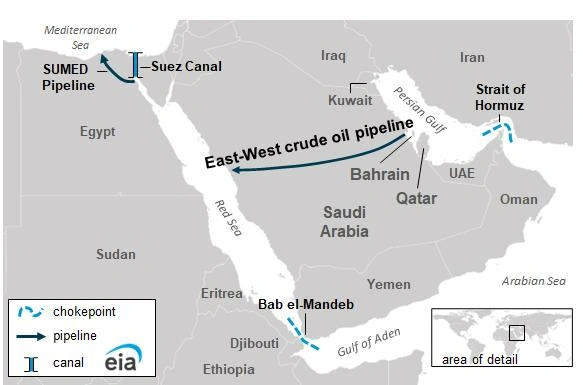
Experts say Trump’s words were likely more political and dramatic than technical, but the underlying concern about pressure on Iran’s oil infrastructure is real.
Why Oil Storage Is Becoming a Serious Issue for Iran
Iran depends heavily on oil exports for its economy.
Normally, large amounts of Iranian crude oil move through shipping routes connected to the Strait of Hormuz, one of the world’s most important energy corridors.
But because of the ongoing tensions, military activity, and restrictions around the region, oil exports have become far more difficult.
When oil cannot move out fast enough, storage systems begin filling up.
Countries usually store crude oil in massive tanks, underground reserves, and even oil tankers floating offshore. However, these systems have limits.
Once storage capacity becomes too high, oil producers are forced to slow production or temporarily stop pumping oil from certain wells.
That is where the real technical challenge begins.
Oil Fields Cannot Always Be Switched On and Off Easily
Many people imagine oil production like turning a water tap on or off, but real oil reservoirs are much more complicated.
Oil exists deep underground under carefully balanced pressure conditions. Engineers manage these systems very precisely to keep production stable over long periods.
If production suddenly slows or stops because storage becomes full, it can affect underground reservoir pressure.
Over time, poor pressure management may reduce how efficiently oil can be extracted from the field later.
In some situations, restarting production becomes difficult or expensive.
This is likely what Trump was referring to when he warned about damage that could “render” parts of the infrastructure unusable.
Experts say the larger danger is usually long-term reservoir damage and operational stress, not giant Hollywood-style explosions.
Can Oil Facilities Actually Explode?
Oil infrastructure can absolutely explode under certain conditions.
Refineries, pipelines, and storage tanks handle highly flammable materials every day. If equipment fails, pressure systems malfunction, or gas leaks ignite, explosions can happen.
But experts say oil reservoirs do not normally explode simply because crude oil remains stored for too long underground.
The more realistic risk is that prolonged shutdowns and pressure imbalances can damage oil field productivity over time.
Storage tanks themselves can also become dangerous if poorly maintained or over-pressurized, but modern industrial systems usually include multiple safety controls designed to prevent catastrophic failures.
So while Trump’s wording may sound dramatic, the broader issue of oil infrastructure stress is not entirely imaginary.
Strait of Hormuz Crisis Is Increasing Pressure on Energy Markets
The entire situation connects back to the Strait of Hormuz crisis.
The narrow shipping route handles a huge percentage of global oil transportation. Any disruption there quickly affects global energy prices and supply chains.
Since tensions escalated earlier this year, shipping companies have faced:
higher insurance costs, security concerns, military patrols, and logistical disruptions.
As a result, oil-exporting countries in the region are struggling with slower movement of crude oil cargo.
Iran has been particularly affected because its exports were already under pressure from sanctions and geopolitical tensions even before the latest conflict escalated.
That is why storage pressure has now become an important issue.
Iran Has Faced Oil Export Problems Before
Iran is not new to oil restrictions.
For years, the country has dealt with sanctions and export limitations imposed by Western countries. Because of this, Iran already has experience managing periods of reduced oil sales.
The country has previously relied on floating storage systems and reduced production strategies to handle export slowdowns.
However, the current situation is more complicated because the disruption involves broader regional shipping instability rather than only sanctions alone.
That creates additional operational pressure across the energy system.
Why Global Markets Are Watching Closely
Energy traders and governments worldwide are closely monitoring the situation because Iran remains an important oil producer in global markets.
Any major disruption to oil production or shipping in the region can quickly influence:
fuel prices, inflation, transportation costs, airline expenses, and industrial supply chains worldwide.
That is why even strong political statements about oil infrastructure now affect financial markets immediately.
The world economy still depends heavily on stable energy transportation through the Gulf region.
Public Reaction to Trump’s Claim Has Been Mixed
Trump’s comments triggered mixed reactions online and among energy experts.
Some supporters argued that he was simplifying a real technical issue involving oil field pressure and infrastructure stress.
Others criticized the statement as exaggerated political messaging designed to increase pressure on Iran during negotiations.
Energy analysts generally agree that while the word “explode” may not be technically accurate in this context, prolonged export disruptions can absolutely create serious operational problems for oil-producing countries.
The Bigger Issue Is Energy Vulnerability
The discussion around Iran’s oil infrastructure highlights something much larger about the global economy.
Even in 2026, modern economies remain deeply dependent on stable oil production and uninterrupted shipping routes.
When geopolitical conflicts disrupt major energy corridors like the Strait of Hormuz, the effects spread rapidly across the world.
Fuel prices rise, inflation increases, shipping becomes expensive, and financial markets become unstable.
That is why every development involving Gulf oil infrastructure is now being watched so closely not just by governments, but also by businesses, investors, and ordinary consumers around the world.
Click Here to subscribe to our newsletters and get the latest updates directly to your inbox.