
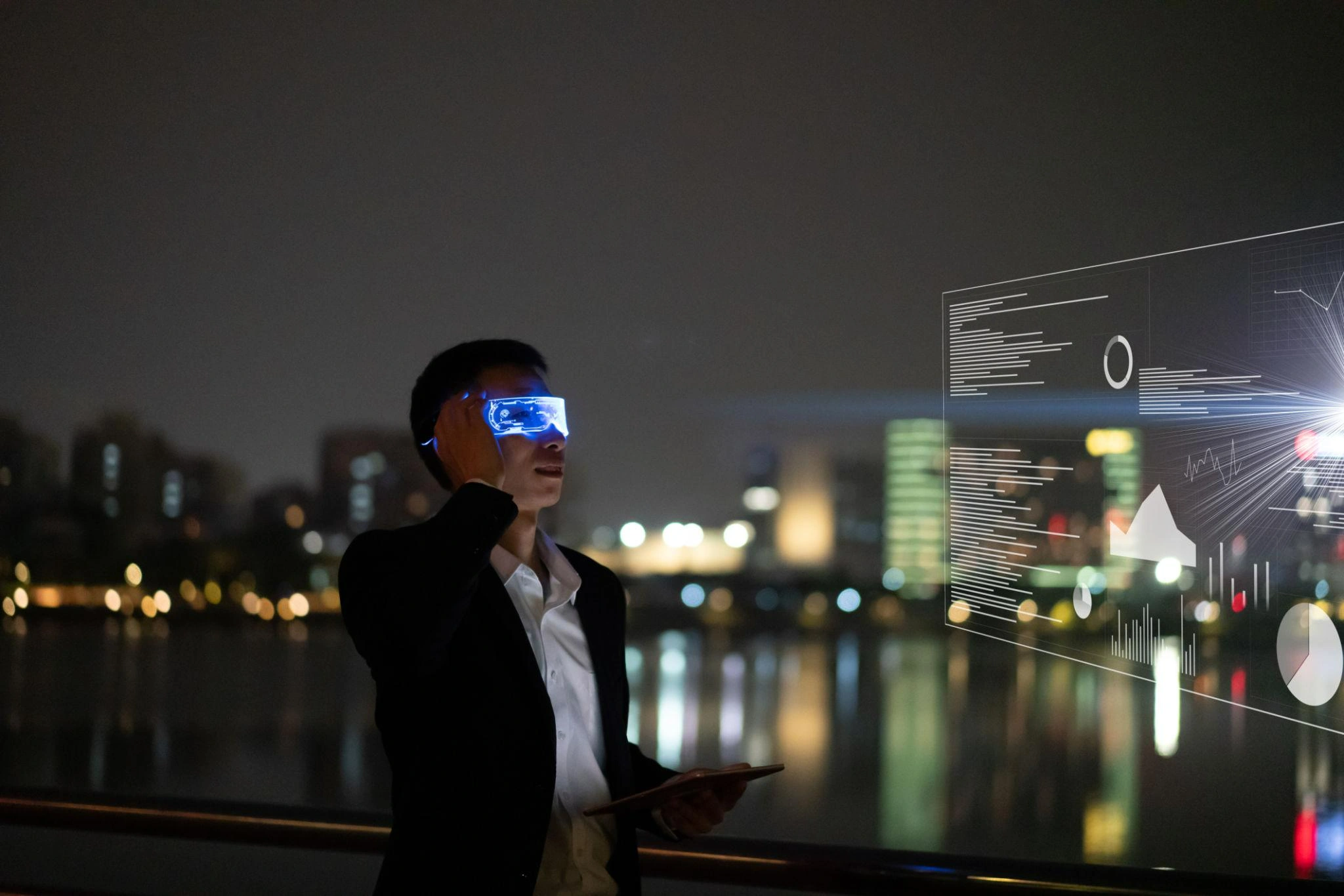
XREAL Launches Affordable AR Glasses Brand ‘xbx’ With New a01 Smart Glasses
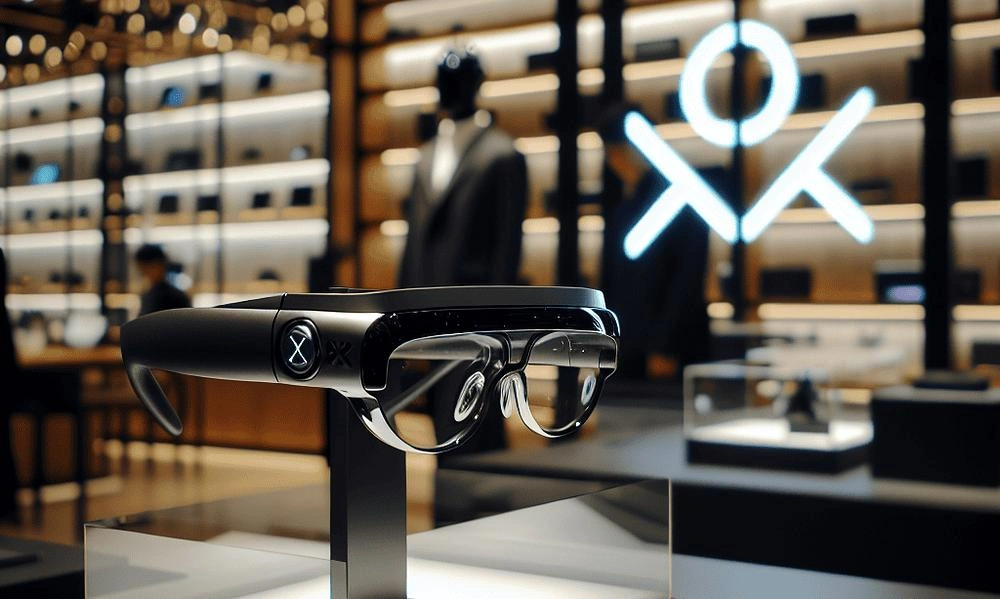
Chinese XR company XREAL has launched a new sub-brand called “X By XREAL,” also written as “xbx,” along with its first product—the a01 smart glasses.
The announcement was made in Beijing on May 26 as the company continues pushing augmented reality devices toward mainstream consumers instead of only tech enthusiasts and developers.
Unlike many expensive AR headsets currently available on the market, the new a01 glasses are designed to focus on simplicity, entertainment, and everyday comfort.
The launch reflects a larger trend happening in the tech industry right now. Companies are slowly trying to move AR products away from bulky experimental hardware and turn them into lightweight wearable devices people may actually use daily.
XREAL Is Targeting Entertainment and Casual Use
According to XREAL, the A01 smart glasses are mainly built for entertainment, gaming, and media consumption.
The company says the product is designed for users who want a lightweight wearable screen experience without carrying heavy mixed-reality headsets.
The A01 focuses heavily on comfort and portability, which has been one of the biggest problems with many earlier AR devices.
Most augmented reality headsets released in recent years have struggled because they were
- Too heavy
- Too expensive
- Too complex
- Uncomfortable for long-term use
XREAL appears to be taking a different approach by targeting more practical day-to-day usage.
Bright Display Is One of the Biggest Features
One of the main highlights of the A01 glasses is the display technology.
XREAL says the glasses feature a 1600-nit HDR10 display, which makes them one of the brightest AR glasses currently available in this segment.
Brightness matters significantly for AR glasses because wearable displays often become difficult to see clearly in bright environments.
The company has also included dual-layer MicroOLED display technology along with HDR10 support for improved contrast and color reproduction.
According to XREAL, the glasses also support real-time AI SDR-to-HDR image conversion, which is designed to improve visual quality while watching videos or playing games.
The goal appears to be making media content look richer and more immersive even on lightweight wearable hardware.
AR Industry Still Searching for Mainstream Success
The launch comes during an important phase for the augmented reality industry.
For years, major tech companies have invested heavily in AR and mixed reality technologies, but mainstream adoption has remained limited.
Devices often faced criticism because of:
- High pricing
- Limited real-world use cases
- Battery issues
- Bulky designs
- Weak software ecosystems
Companies like Apple, Meta Platforms, and several Chinese XR firms are all trying different strategies to solve these problems.
XREAL’s new XBX brand, XBX, appears focused on affordability and usability instead of premium enterprise hardware.
That may help the company attract younger users interested in gaming and entertainment rather than professional AR workflows.
Lightweight Design Could Matter More Than Specs
One reason lightweight AR glasses are gaining attention is because many users no longer want large headset-style devices.
People are generally more willing to wear something that looks and feels closer to regular glasses.
This is where companies like XREAL may have an advantage.
The A01 appears designed around a more wearable form factor instead of fully immersive mixed-reality experiences.
For casual consumers, comfort often matters more than advanced technical features.
If AR devices feel too heavy or awkward, most users stop using them quickly.
The industry has learned that lesson repeatedly over the past decade.
Gaming and Streaming Could Become Key Use Cases
Gaming and video streaming may become some of the strongest use cases for lightweight AR glasses.
Instead of replacing smartphones entirely, devices like the A01 may work more like portable private displays users can wear while
- Watching movies
- Playing games
- Streaming content
- Traveling
- Connecting with consoles or laptops
This approach is more practical compared to earlier visions where AR glasses were expected to replace phones completely.
The technology still has limitations, but companies are now focusing on smaller real-world use cases that consumers may actually adopt.
AI Features Are Becoming Standard in New Devices
Another important detail is the inclusion of AI-based visual processing.
The real-time SDR-to-HDR conversion feature shows how artificial intelligence is now becoming integrated into almost every new consumer technology product.
AI is increasingly being used in devices for:
- Display enhancement
- Image optimization
- Audio processing
- Power management
- User interaction
Even wearable hardware companies are now positioning AI features as important selling points.
Competition in AR Wearables Is Growing
The AR wearable market is becoming increasingly competitive.
Alongside major companies, several smaller firms are trying to find a successful formula for lightweight smart glasses before the market fully matures.
Industry analysts believe the next few years may determine whether AR glasses become:
- A mainstream consumer category
or - Another niche experimental product
Success will likely depend less on futuristic promises and more on practical everyday usefulness.
That is why products like the A01 are interesting. They focus less on science-fiction ideas and more on solving immediate user comfort and entertainment needs.
Public Reaction Has Been Curious but Cautious
Early reactions online have been mixed but interested.
Some users praised the lighter design and lower-cost approach, saying the AR industry needs simpler products instead of ultra-expensive headsets.
Others questioned whether AR glasses currently provide enough value for average consumers beyond gaming and media viewing.
That remains one of the biggest challenges for the entire industry.
People still want a strong reason to wear smart glasses regularly.
China Becoming a Major AR Hardware Hub
The launch also highlights China’s growing influence in XR and wearable technology.
Chinese companies are increasingly becoming major players in:
- AR displays
- Smart glasses
- XR optics
- Wearable hardware manufacturing
While Silicon Valley companies often dominate headlines, several Chinese firms are rapidly advancing consumer-focused hardware development at competitive pricing levels.
XREAL is now positioning itself as one of the companies trying to lead that next phase.
What the a01 Launch Really Means
The A01 smart glasses may not completely transform the AR industry overnight.
But the launch represents something important:
The industry is finally shifting toward lighter, simpler, and more consumer-friendly wearable devices.
Instead of trying to replace reality entirely, companies are now experimenting with smaller, practical experiences people may actually use comfortably every day.
That change in direction may ultimately matter more than flashy futuristic demos.
Click Here to subscribe to our newsletters and get the latest updates directly to your inbox.