
Fuel Demand Surges as Bulk Buyers Shift to PSU Petrol Pumps Amid Price Gap Crisis
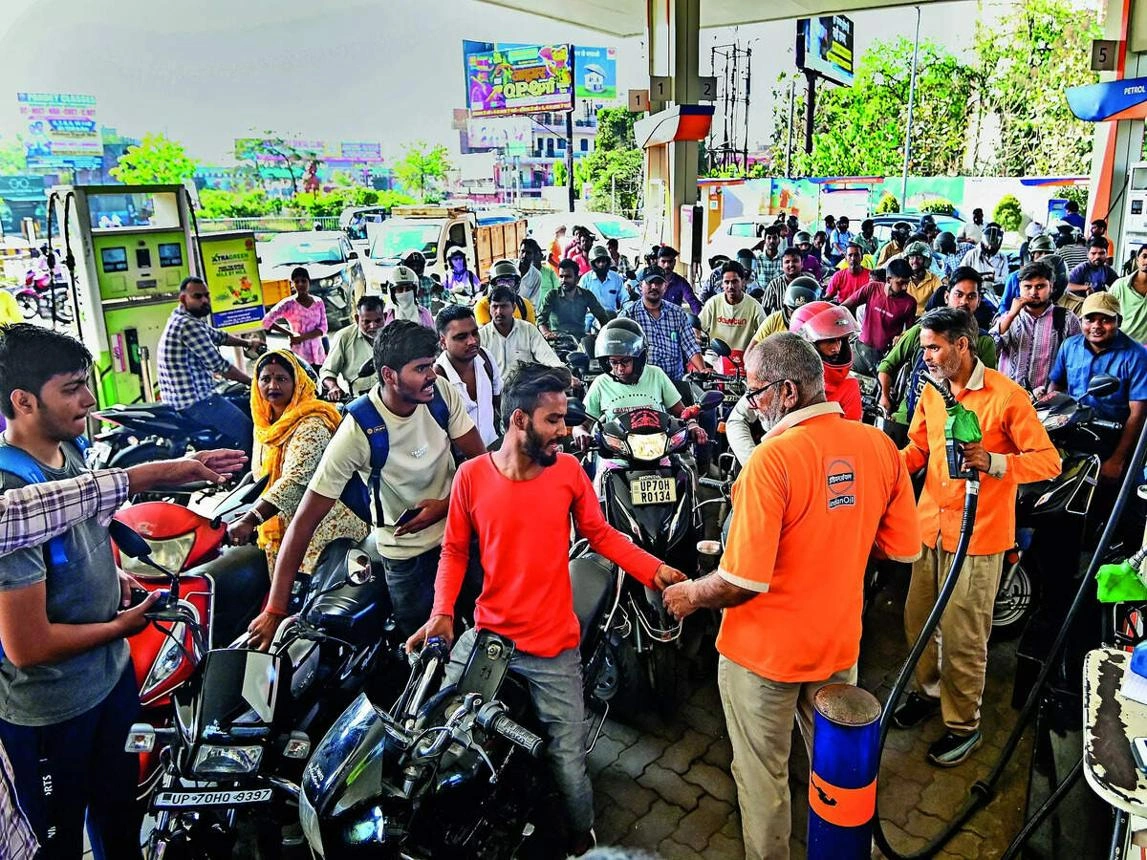
India is witnessing a sudden surge in fuel demand, particularly diesel, as bulk fuel consumers increasingly shift toward public sector oil marketing companies’ retail outlets due to widening price differences between subsidized retail fuel and market-linked bulk fuel prices.
According to government and industry sources, the situation has created significant pressure on the retail networks operated by Indian Oil Corporation, Bharat Petroleum Corporation Limited, and Hindustan Petroleum Corporation Limited.
The sudden increase in demand has reportedly caused fuel stocks at some retail outlets to deplete much faster than normal, resulting in dry-out-like situations in several pockets across the country.
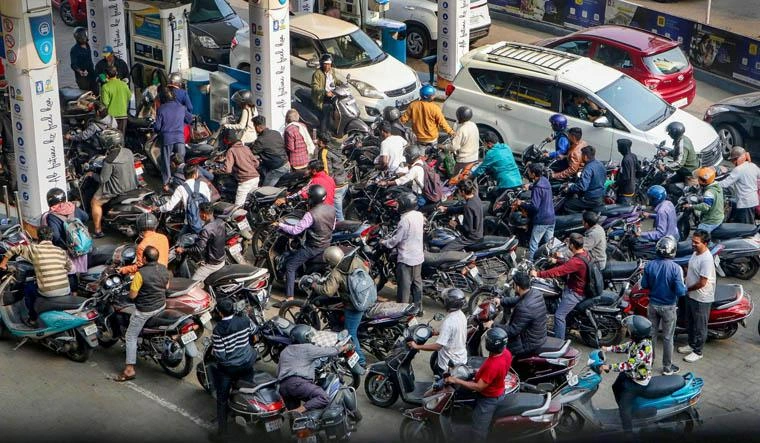
The development reflects how distorted fuel pricing structures and the ongoing global energy crisis are now beginning to affect ground-level fuel distribution in India.
Why Bulk Buyers Are Moving to Retail Pumps
The core issue lies in the large pricing gap between retail fuel rates and market-linked bulk fuel prices.
Retail petrol and diesel prices in India have remained relatively stable despite the sharp increase in global crude oil prices caused by the continuing West Asia conflict and energy market disruptions.
However, bulk fuel prices have continued adjusting more closely to international market conditions.
This has created an unusual situation where bulk consumers now find it significantly cheaper to purchase fuel from retail outlets operated by public sector OMCs instead of relying on traditional bulk supply arrangements.
As a result, many transport operators, industrial users and large diesel consumers are increasingly shifting toward retail pumps.
That shift is placing extraordinary pressure on fuel stations designed primarily for regular retail consumers.
Private Fuel Retailers Also Facing Challenges
Industry sources say the situation is becoming more complicated because some private fuel retailers are reportedly selling petrol and diesel at prices higher than PSU-operated outlets.
Consumers naturally gravitate toward lower-priced fuel, especially when price differences become substantial.
This has further concentrated demand at government-linked retail stations while reducing pressure on costlier private outlets.
The result is an uneven distribution of fuel demand across networks.
In some regions, PSU pumps are witnessing unusually heavy traffic while private stations experience comparatively lower consumer flow.
Reports of Fuel Shortages Begin Emerging
Reports have already emerged from multiple parts of the country regarding temporary fuel stock shortages at retail outlets.
Industry officials say many of these situations are not full-scale shortages but rather rapid stock depletion caused by abnormal demand spikes.
However, perception often becomes a bigger problem than the actual supply issue.
According to industry sources, once a single outlet experiences temporary stock constraints, rumours of fuel shortages quickly spread locally. That often triggers panic-buying behavior among consumers, which then amplifies pressure on nearby fuel stations.
This pattern can rapidly create localized supply stress even when broader national inventories remain stable.
Diesel Remains the Biggest Concern
Diesel appears to be facing the strongest pressure in the current situation.
That is because diesel remains critical for:
- Freight transportation
- Logistics operations
- Agriculture
- Industrial activity
- Public transportation
India’s economic system remains heavily dependent on diesel consumption.
Any sudden demand spike in diesel immediately affects supply chains and distribution efficiency.
The current surge therefore carries broader economic implications beyond retail fuel stations alone.
OMCs Already Under Financial Pressure
The fuel demand spike comes at a difficult time for state-owned oil marketing companies.
OMCs are already facing massive under-recoveries because retail petrol and diesel prices have remained below market-linked import costs for months.
Recent government estimates suggested PSU oil companies are absorbing losses worth tens of thousands of crores every month due to frozen retail fuel pricing.
Now, rising retail demand from bulk consumers is increasing operational strain even further.
This creates a complicated balancing act for policymakers:
Keeping retail fuel affordable helps control inflation and public sentiment, but it simultaneously increases financial pressure on oil companies and distribution systems.
Global Energy Crisis Continues Affecting India
The ongoing instability in West Asia continues to influence India’s fuel economy heavily.
Global crude oil prices remain elevated due to:
- Strait of Hormuz disruptions
- Shipping instability
- Insurance cost increases
- Geopolitical tensions
India imports a large portion of its crude oil requirements, making the country highly vulnerable to international energy market volatility.
As global prices rise, the gap between controlled domestic retail pricing and actual market-linked fuel costs becomes harder to sustain.
The current demand distortion is one of the clearest examples of that pressure now appearing at the consumer level.
Public Reaction Reflects Growing Anxiety
Public reaction has been mixed.
Many consumers welcomed the fact that retail fuel prices remain relatively stable despite global oil market turmoil.
At the same time, reports of fuel stations temporarily running low on stock have triggered anxiety in several regions.
On social media, users shared videos and images of crowded fuel stations, while others criticized panic-buying behavior for worsening local supply conditions.
Transport operators and logistics businesses also expressed concern that any prolonged disruption in diesel availability could eventually impact freight movement and delivery schedules.
Industry Experts Warn Against Panic Buying
Energy analysts and industry officials have urged consumers not to panic.
Experts say India does not currently face a nationwide fuel shortage. Instead, the issue appears to be concentrated in specific regions where unusual demand patterns have temporarily strained local supply chains.
However, analysts also warned that if fuel pricing distortions continue widening, retail pressure on PSU outlets may intensify further.
The situation highlights how sensitive fuel distribution systems become during periods of global energy instability.
Government Monitoring Situation Closely
Officials are reportedly monitoring fuel supply patterns carefully to avoid broader disruptions.
Authorities are expected to coordinate with oil companies to ensure faster replenishment cycles at high-demand retail outlets.
At the same time, policymakers remain under pressure to maintain price stability for consumers while also protecting the financial sustainability of state-owned fuel companies.
That balance is becoming increasingly difficult as international crude oil prices remain volatile.
The Bigger Economic Picture
The current fuel demand surge reveals something important about India’s energy structure.
When global energy markets become unstable, domestic pricing systems begin creating unintended economic distortions.
Retail fuel subsidies or pricing controls may help consumers temporarily, but they can also:
- Shift demand patterns
- Distort supply behavior
- Pressure distribution networks
- Increase financial losses for oil companies
This creates complex policy challenges that become harder to manage during prolonged geopolitical crises.
Final Thoughts
The sudden rise in diesel and petrol demand at PSU fuel stations is not simply a retail supply issue.
It is a reflection of the much larger pressure building across India’s energy economy as global fuel markets remain unstable.
Bulk buyers shifting to cheaper retail pumps, localized shortages, panic buying, and rising financial stress on oil companies all point toward the same underlying reality:
The ongoing global energy crisis is now beginning to affect daily fuel distribution on the ground.
And if global oil disruptions continue for longer, these pressures may only grow stronger.
Click here to subscribe to our newsletters and get the latest updates directly to your inbox.