
$12 Billion and Rising: Cost of Two-Week Iran War Raises Questions Over US Strategy
The financial cost of the ongoing Iran war is rapidly climbing, with the United States already spending an estimated $12 billion within just two weeks of military operations. The figure, revealed by a senior adviser to US President Donald Trump, highlights the scale and intensity of the conflict involving US and Israeli forces against Iran.
The estimate was shared by Kevin Hassett during an interview on CBS’s Face the Nation, where he discussed the economic implications of the ongoing military campaign.
The revelation has sparked fresh debate over the financial burden of modern warfare and its potential long-term impact on the US economy.
A Rapidly Escalating Cost of War
The reported $12 billion expenditure in just two weeks underscores how quickly the cost of military operations can escalate.
Modern warfare involves a wide range of expenses, including deployment of troops, use of advanced weapons systems, intelligence operations, and logistical support across multiple regions.
Airstrikes, missile defense systems, naval operations and surveillance missions all contribute significantly to the overall cost.
In addition, maintaining military readiness and supporting allied operations further increases expenditure.
Given the pace of spending so far, analysts warn that the total cost of the conflict could rise sharply if the war continues.
Where the Money Is Being Spent
Although detailed breakdowns have not been officially released, defense experts say that several key areas are driving the cost.
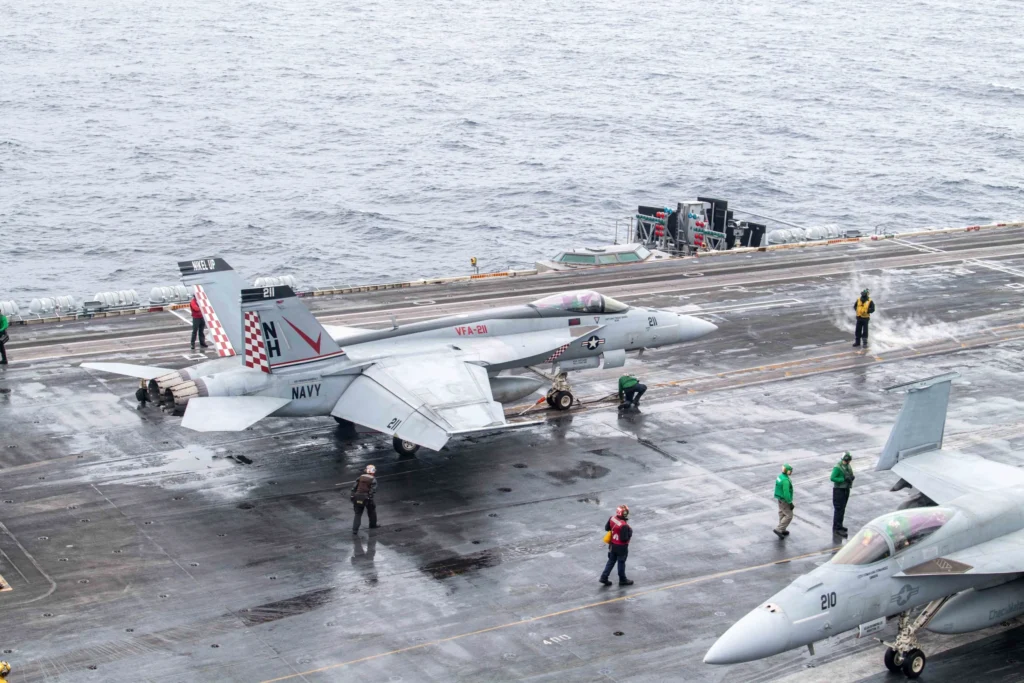
Air operations, including fighter jet missions and long-range strikes, are among the most expensive aspects of modern military campaigns.
Missile systems and defense interceptors also carry high costs, especially when used frequently during active conflict.
Naval deployments in strategic regions such as the Persian Gulf add another layer of expense, as warships require continuous operational support.
Logistics, including fuel, maintenance and transportation of equipment, represents a significant portion of overall spending.
The coordination of these elements across multiple locations contributes to the rapid increase in costs.
Economic Impact Beyond the Battlefield
The financial implications of the war extend beyond direct military spending.
Conflicts in the Middle East often influence global energy markets, leading to fluctuations in oil prices.
Higher oil prices can increase transportation and manufacturing costs worldwide, contributing to inflation.
For the United States, rising military expenditure combined with economic pressures from global markets can affect fiscal policy and government budgets.
Economists note that sustained high levels of defense spending may require adjustments in other areas of public expenditure.
The broader economic impact of the war will depend on how long the conflict continues and how global markets respond.
Political Debate Intensifies in Washington
The rising cost of the war has become a point of discussion among policymakers and analysts in Washington.
Supporters of the military action argue that the operations are necessary to address security threats and protect strategic interests.
They contend that the cost of inaction could be higher if regional instability leads to greater security challenges.
Critics, however, question whether the financial burden is sustainable and whether the objectives of the conflict justify the expense.
They point to previous conflicts where costs escalated far beyond initial estimates, placing long-term pressure on government finances.
The debate reflects broader questions about the role of military intervention in foreign policy.
Comparison With Past Conflicts
The rapid accumulation of costs in the Iran war has drawn comparisons with earlier US military engagements.
In past conflicts, initial spending often appeared manageable but increased significantly over time as operations expanded.
Wars in regions such as Iraq and Afghanistan ultimately cost trillions of dollars over extended periods.
While the current conflict is still in its early stages, analysts say the pace of spending suggests that costs could rise quickly if military operations continue at the same intensity.
This has led to calls for careful evaluation of strategy and objectives.
Global Reactions and Market Response
Financial markets have reacted cautiously to reports of rising military expenditure and ongoing conflict.
Investors typically respond to geopolitical uncertainty by shifting toward safer assets, leading to increased volatility in stock markets.
Energy markets, in particular, are closely linked to developments in the Middle East.
Any escalation in conflict can affect oil supply routes and production, influencing global prices.
The combination of military spending and market uncertainty creates a complex economic environment for governments and businesses.
Strategic Considerations for the US
Beyond financial costs, the war raises strategic questions for US policymakers.
Military operations require careful planning to balance immediate objectives with long-term consequences.
Sustained conflict can strain resources, impact alliances and influence global perceptions of US policy.
Officials must consider how to achieve their goals while managing both economic and political risks.
The current situation highlights the challenges of conducting military operations in a region with significant geopolitical importance.
The Role of Allies
The involvement of allies, including Israel, adds another dimension to the conflict.
Joint operations can distribute some of the operational burden, but they also require coordination and shared strategy.
Allied support may influence both the duration and cost of the conflict.
International cooperation is often seen as a way to strengthen military effectiveness while managing resources more efficiently.
However, it also introduces additional complexities in decision-making.
What Lies Ahead
As the war continues, the total cost is expected to rise further.
Future spending will depend on several factors, including the duration of the conflict, the scale of military operations and developments on the ground.
Policymakers will need to assess whether current strategies are sustainable and whether adjustments are required.
The coming weeks will be critical in determining both the financial and strategic direction of the conflict.
A War With Growing Costs
The $12 billion spent in just two weeks highlights the scale of modern military operations and the speed at which costs can accumulate.
For the United States, the financial impact of the Iran war is becoming an increasingly important factor in shaping policy decisions.
As the situation evolves, both economic and strategic considerations will play a key role in determining the path forward.
The balance between security objectives and financial sustainability will remain at the center of discussions as the conflict continues.
Click Here to subscribe to our newsletters and get the latest updates directly to your inbox.