
Israeli Strikes Kill 10 Palestinians on Eid as Netanyahu Signals Expanded Gaza Control
At least ten Palestinians were killed in Israeli strikes in northern Gaza as families marked Eid-ul-Adha, one of the most important festivals in the Islamic calendar. According to reports from local health officials and medical sources, the victims included five children, an elderly person, and a member of Hamas.
The strikes took place on Wednesday and left more than twenty people injured, according to information provided by Shifa Hospital in Gaza. The incident added to the humanitarian challenges already facing civilians living in the conflict-hit territory.
On Thursday, Palestinians gathered in Gaza City to offer funeral prayers for those who lost their lives. What is usually a day of celebration and family gatherings instead became a day of mourning for many communities affected by the ongoing conflict.
Scenes of Destruction After the Strikes
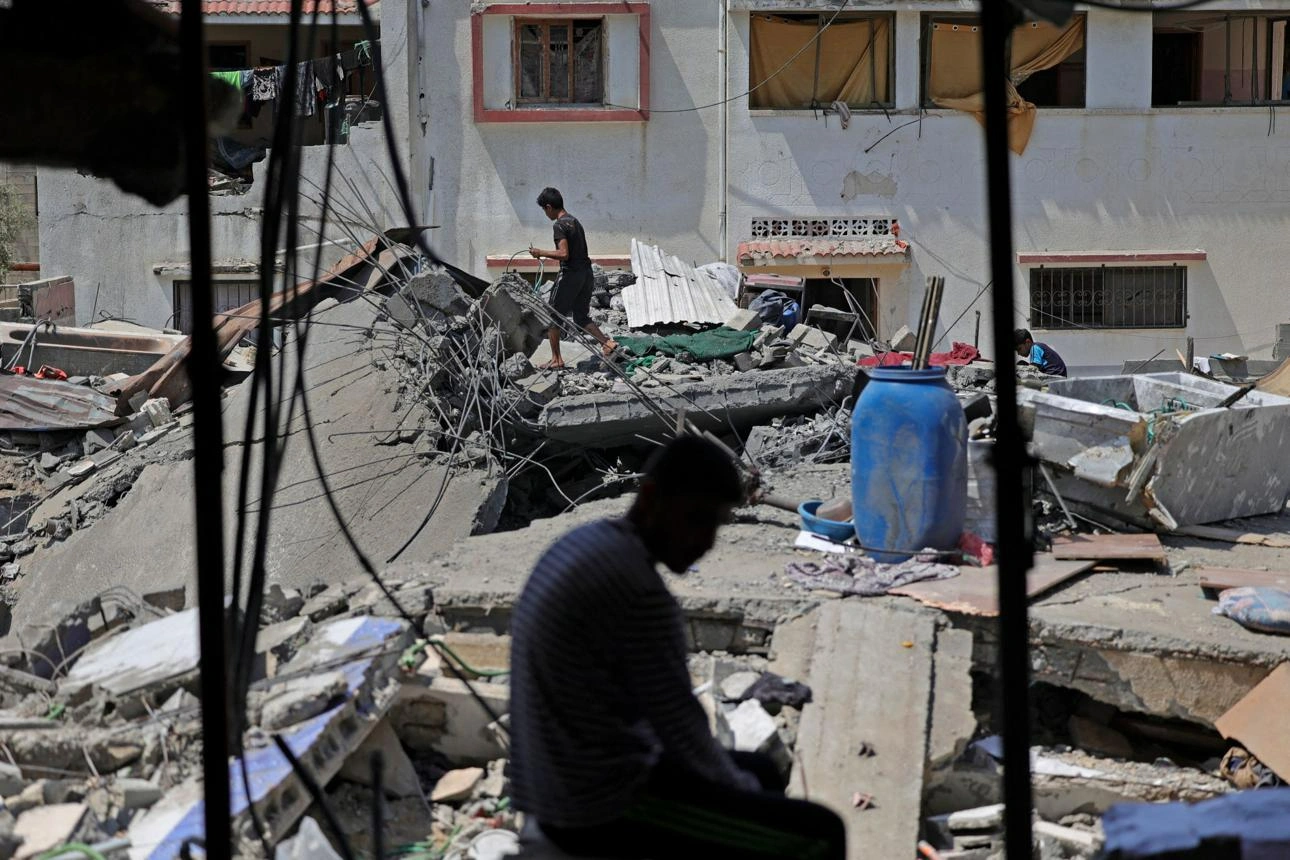
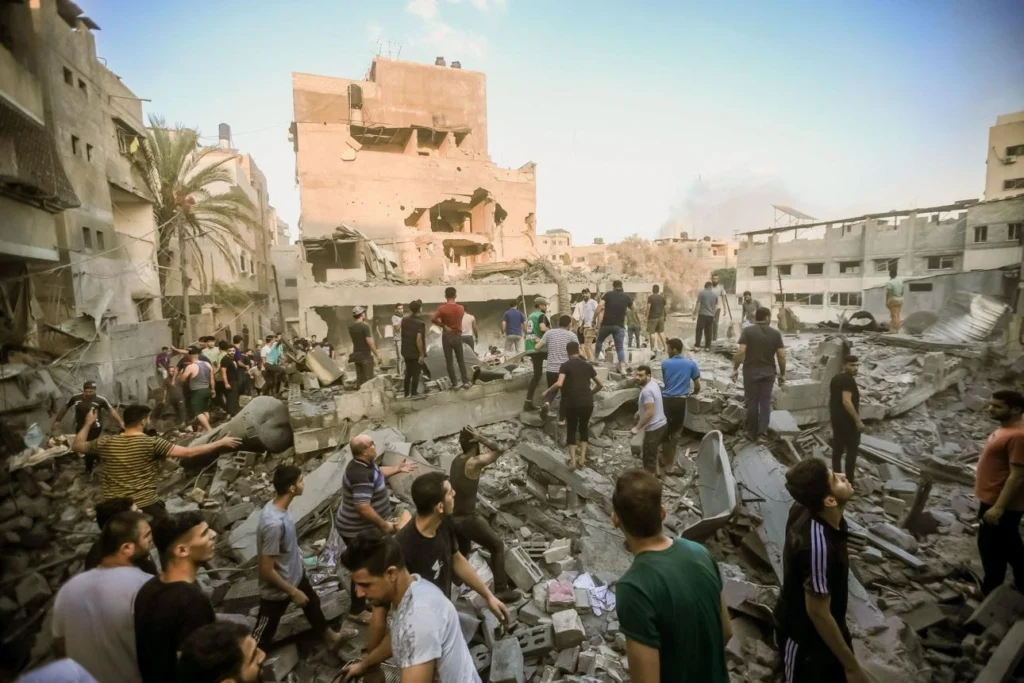
Videos circulating from the affected area showed flames emerging from a damaged building while residents and emergency workers rushed to rescue injured people.
Witnesses described chaotic scenes as ambulances arrived to transport wounded civilians, including children, to nearby hospitals. Rescue teams worked through debris and damaged structures while relatives searched for missing family members.
The strikes occurred amid continuing military operations across different parts of Gaza, where many residents have already been displaced multiple times since the conflict intensified.
For families observing Eid, the latest violence underscored how daily life continues to be overshadowed by insecurity and loss.
Israeli Military Says Hamas Members Were Targeted
The Israeli military said the operation was aimed at two Hamas militants in northern Gaza.
According to Israeli authorities, one of the individuals targeted was Hamas member Imad Isleim. The military stated that the strikes were part of ongoing efforts against Hamas infrastructure and personnel operating in the area.
Israeli officials have consistently maintained that military operations are directed at militant targets and are necessary for national security objectives.
However, civilian casualties continue to draw international attention and criticism, especially when children and non-combatants are among the victims.
The differing accounts highlight the ongoing challenge of assessing military operations in densely populated urban areas where civilians and armed groups often operate in close proximity.
Netanyahu Signals Broader Control of Gaza
The strikes came as Israeli Prime Minister Benjamin Netanyahu indicated that Israel could seek broader control over parts of Gaza.
Recent statements from Israeli leadership have suggested that military objectives may involve maintaining significant influence over territory inside Gaza following the conflict.
Reports indicate that Israeli officials are discussing scenarios involving control of large portions of the enclave as military operations continue.
These comments have generated debate both inside Israel and internationally regarding the future governance and security structure of Gaza once active combat operations eventually end.
The issue remains highly sensitive as negotiations and diplomatic discussions continue among regional and international stakeholders.
Humanitarian Concerns Continue to Grow
Humanitarian organizations have repeatedly warned that conditions inside Gaza remain extremely difficult.
Large numbers of residents continue facing shortages of food, clean water, medical supplies, and shelter. Hospitals and healthcare facilities have struggled to cope with growing demand while operating under difficult circumstances.
International aid agencies have called for greater protection of civilians and increased humanitarian access to affected areas.
The United Nations and several humanitarian groups have also raised concerns about the impact of continued fighting on vulnerable populations, particularly children.
Each new round of violence further complicates relief efforts and increases pressure on already stretched humanitarian systems.
International Attention Remains Focused on Gaza
The conflict continues to attract significant international attention as governments, aid organizations, and diplomatic groups monitor developments closely.
Many countries have called for measures to reduce civilian casualties and create conditions that could support longer-term stability in the region.
At the same time, security concerns remain central to Israeli policy discussions, with leaders arguing that military operations are necessary to address threats posed by armed groups operating in Gaza.
Balancing security objectives with humanitarian concerns remains one of the most difficult challenges facing policymakers and international mediators.
Conflict Continues During Religious Observances
The latest casualties are particularly significant because they occurred during Eid-ul-Adha, a period traditionally associated with prayer, charity, and family gatherings across the Muslim world.
For many Palestinians in Gaza, however, the holiday unfolded against a backdrop of airstrikes, displacement, and uncertainty.
Funeral prayers held during Eid reflected the emotional toll the conflict continues to have on local communities.
As military operations continue and diplomatic efforts struggle to produce a lasting breakthrough, civilians remain caught in the middle of a conflict that shows little sign of ending soon.
The events of the past week highlight how deeply the ongoing war continues to affect everyday life in Gaza, where celebrations, mourning, and survival increasingly occur side by side.
Click Here to subscribe to our newsletters and get the latest updates directly to your inbox.