
Centre Pushes PNG Expansion: States Offered More LPG Supply to Ease Energy Pressure
India’s energy policy is seeing a strategic shift as the central government encourages states to accelerate the rollout of piped natural gas infrastructure. In a move aimed at easing pressure on liquefied petroleum gas supplies, the Centre has предложed additional commercial LPG allocation to states that actively expand PNG coverage.
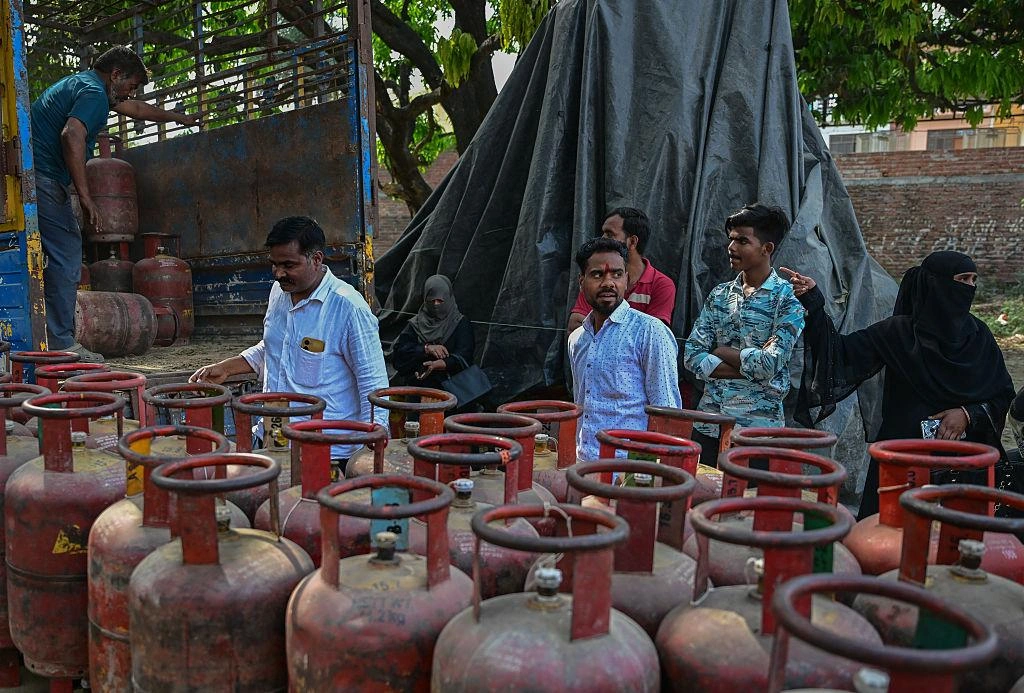
The proposal comes at a time when LPG availability is under strain due to disruptions in global energy supply chains, particularly linked to tensions in West Asia. With demand rising and logistics under pressure, policymakers are looking for structural solutions rather than short-term fixes.
Why the Government Is Promoting PNG Now
The push toward piped natural gas is not new, but the urgency has increased in recent weeks. Supply constraints in LPG have exposed the vulnerability of relying heavily on cylinder-based distribution systems.
PNG offers a more stable and continuous fuel supply, especially in urban areas where pipeline infrastructure can be developed efficiently. Unlike LPG cylinders, which depend on transportation and storage logistics, PNG is delivered directly to homes and businesses through pipelines.
This reduces dependency on supply chains that can be disrupted during geopolitical crises.
Incentive Model for States Explained
The Centre has introduced a clear incentive structure to encourage faster adoption of PNG.
States that take measurable steps to expand PNG access may receive additional LPG allocation for commercial use. Currently, states receive LPG volumes equivalent to about 20 percent of demand for commercial purposes.
Under the new proposal, this allocation could increase to 30 percent if states meet specific targets related to PNG infrastructure expansion.
This creates a direct link between long-term infrastructure development and short-term supply benefits.
Impact on Commercial LPG Users
Commercial establishments such as restaurants, hotels and small industries are among the biggest consumers of LPG.
The additional allocation offered by the Centre is expected to help these sectors manage supply constraints more effectively.
At the same time, the government is encouraging these users to transition to PNG wherever feasible.
For businesses, PNG can provide cost stability and reduce operational disruptions caused by delayed cylinder deliveries.
Household Transition to PNG
The government has also appealed to households to adopt PNG in areas where it is available.
While LPG cylinders remain the primary cooking fuel in many parts of India, urban areas are increasingly shifting toward piped gas systems.
PNG connections eliminate the need for booking cylinders and waiting for deliveries, offering greater convenience to consumers.
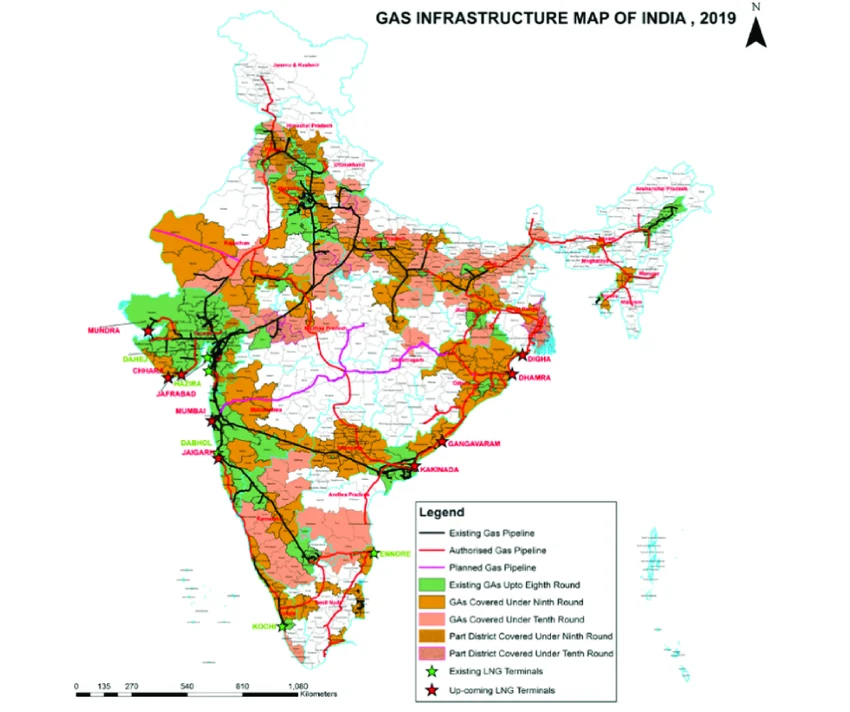
However, adoption depends heavily on infrastructure availability, which varies significantly across states.
Challenges in Expanding PNG Infrastructure
Despite its advantages, expanding PNG networks is not without challenges.
Infrastructure development requires significant investment, coordination between multiple agencies and long-term planning.
Urban density, regulatory approvals and land acquisition issues can slow down the rollout process.
In smaller towns and rural areas, the economics of pipeline infrastructure may not always be viable in the short term.
These challenges explain why the Centre is offering incentives to accelerate progress.
Energy Security and Strategic Planning
The move to promote PNG is also linked to broader energy security considerations.
India imports a large portion of its LPG requirements, making it vulnerable to global price fluctuations and supply disruptions.
By expanding PNG networks, the country can diversify its energy mix and reduce reliance on imported fuels.
Natural gas, while still imported in part, offers more flexibility in sourcing and distribution compared to LPG.
This makes it a key component of India’s long-term energy strategy.
Role of States in Implementation
State governments play a critical role in the success of the PNG rollout.
They are responsible for facilitating approvals, coordinating with local authorities and supporting infrastructure development.
The Centre’s incentive scheme is designed to align state-level actions with national energy goals.
States that respond quickly to the initiative could benefit not only from additional LPG supply but also from improved urban infrastructure and economic activity.
Industry Perspective
Energy experts see the move as a pragmatic approach to managing current supply constraints while building future resilience.
Encouraging PNG adoption can help stabilize demand for LPG, ensuring that limited supplies are directed where they are most needed.
At the same time, infrastructure investments in PNG can create long-term benefits for both consumers and businesses.
However, the pace of implementation will be a key factor in determining the success of the policy.
Consumer Awareness and Behaviour Shift
One of the less discussed aspects of the transition is consumer behaviour.
Many households and businesses are accustomed to LPG and may be hesitant to switch to PNG without clear incentives or awareness.
The government’s appeal for need-based LPG booking and adoption of PNG reflects an effort to influence consumption patterns.
Education and awareness campaigns will be important in driving this transition.
Global Context Behind the Move
The timing of the policy shift is closely linked to global developments.
Energy markets have been volatile due to geopolitical tensions, affecting supply chains and pricing.
Disruptions in key shipping routes have made it more difficult to ensure steady LPG supply.
In this context, reducing dependency on imported LPG becomes a strategic priority.
What This Means for the Future
The Centre’s initiative signals a move toward a more resilient and diversified energy system.
If implemented effectively, the expansion of PNG could transform how households and businesses access fuel.
It could also reduce the frequency of supply shortages and price volatility associated with LPG.
At the same time, the success of the policy will depend on coordination between central and state governments, as well as the pace of infrastructure development.
A Shift From Crisis Response to Structural Reform
The current LPG shortage has highlighted the need for long-term solutions rather than temporary fixes.
By linking additional LPG supply to PNG rollout, the government is attempting to address immediate challenges while laying the foundation for future energy security.
The approach reflects a broader shift in policy thinking, where infrastructure development is seen as the key to managing supply risks.
As states respond to the incentive, the coming months will reveal how quickly India can move toward a more stable and efficient energy system.
Click Here to subscribe to our newsletters and get the latest updates directly to your inbox.