
West Asia Crisis: India Launches Rs 497 Crore RELIEF Scheme to Support Exporters Hit by Trade Disruptions
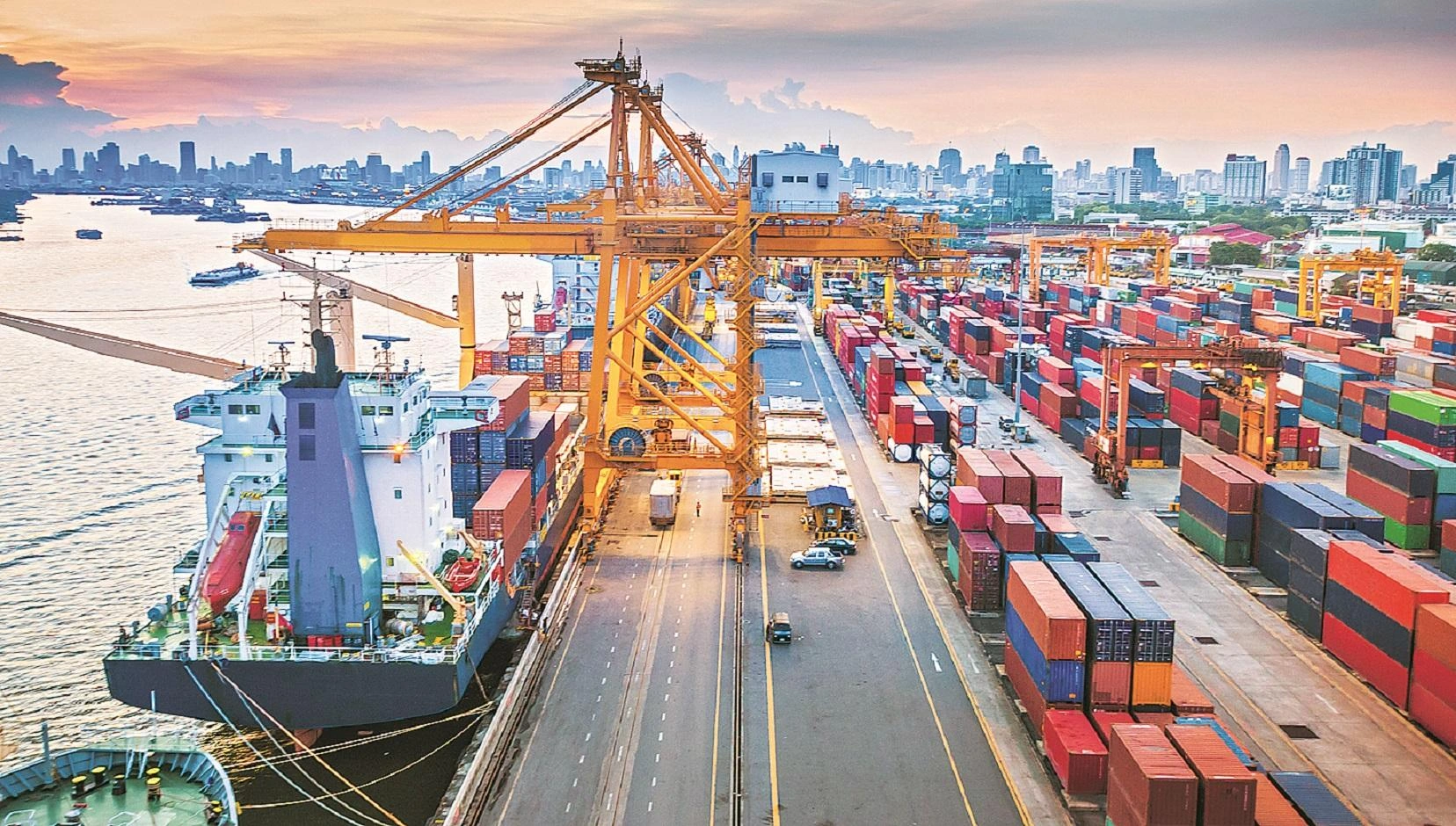
India has rolled out a Rs 497 crore support package aimed at helping exporters navigate the growing disruption caused by the ongoing conflict in West Asia. The move comes as rising freight costs, delayed shipments and supply chain uncertainties begin to impact businesses dependent on trade with the region.
The Commerce and Industry Ministry announced the new initiative, known as the RELIEF scheme, as part of its broader strategy to cushion exporters from the economic fallout of geopolitical instability.
The scheme is designed to address immediate logistical challenges while ensuring that exporters do not lose momentum in critical international markets.
Why the RELIEF Scheme Was Needed
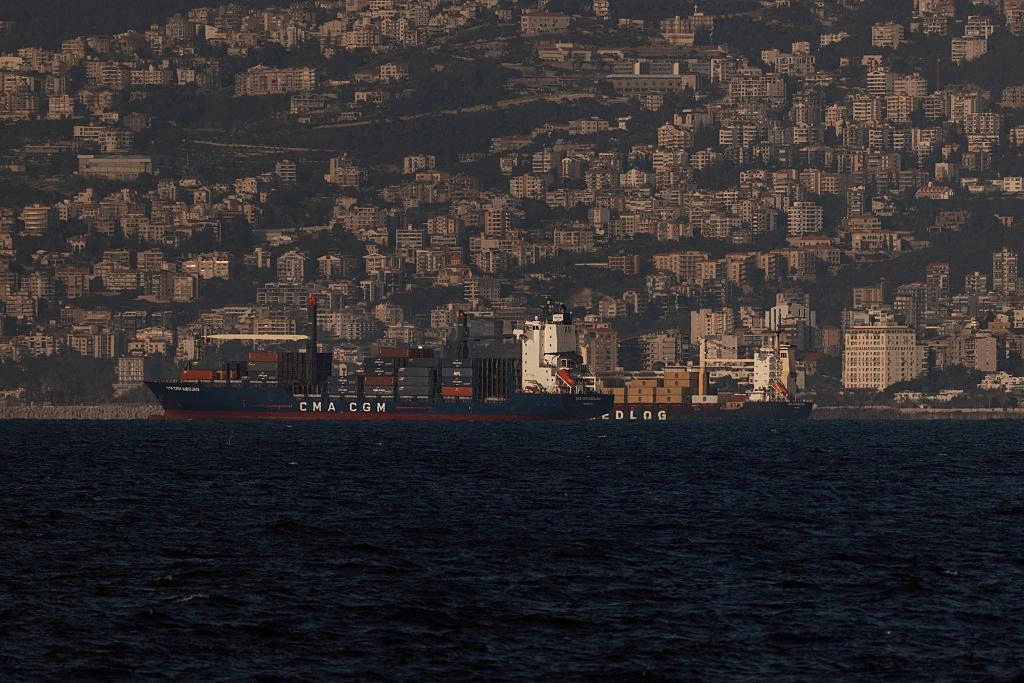
The West Asia conflict has significantly disrupted global trade routes, particularly those passing through key maritime corridors.
Shipping costs have surged, with freight rates in some routes nearly doubling due to increased risk premiums, rerouting and fuel price volatility.
Exporters have been facing delays in delivery schedules, uncertainty in transit times and increased operational costs.
For many businesses, especially small and medium exporters, these challenges have created serious financial pressure.
The RELIEF scheme aims to bridge this gap by offering targeted support measures.
What the RELIEF Scheme Offers
The scheme includes a combination of policy flexibility and logistical support.
One of the key features is the automatic extension of export obligations. This allows exporters additional time to meet contractual commitments without facing penalties.
The government has also indicated that logistical support mechanisms will be strengthened to help manage shipping disruptions.
In addition, financial measures may be introduced to ease the burden of rising transportation and fuel costs.
The scheme is expected to focus on practical solutions that can be implemented quickly.
Regions Covered Under the Scheme
The RELIEF scheme primarily targets exporters dealing with markets in West Asia.
These include major trading partners such as the UAE, Saudi Arabia, Kuwait, Qatar, Oman and Bahrain.
Other affected destinations include Iraq, Iran, Israel and Yemen, among others.
These regions are critical for India’s export economy, particularly in sectors such as petroleum products, food items, textiles and engineering goods.
Disruptions in these markets can have a direct impact on export volumes and revenue.
Government’s Strategic Approach
Commerce Secretary Rajesh Agarwal emphasized that the scheme is part of the Export Promotion Mission.
The goal is to provide timely support to exporters operating in regions most affected by the conflict.
The approach reflects a shift from reactive measures to proactive support, ensuring that exporters remain competitive despite global challenges.
By addressing both logistical and financial issues, the government aims to stabilize export activity.
Impact on Indian Exporters
Exporters have been among the hardest hit by the ongoing crisis.
Delays in shipments can lead to contract penalties, loss of business and strained relationships with international buyers.
Rising costs further reduce profit margins, making it difficult for companies to sustain operations.
The RELIEF scheme is expected to provide immediate relief by reducing compliance pressure and offering operational flexibility.
For many exporters, this could mean the difference between maintaining and losing market presence.
Freight Costs and Supply Chain Disruptions
One of the biggest challenges has been the sharp increase in freight costs.
Shipping companies have raised prices due to higher insurance premiums, longer routes and fuel costs.
In some cases, vessels are avoiding high-risk zones, leading to longer transit times.
These disruptions have created a ripple effect across supply chains, affecting production schedules and delivery commitments.
The government’s intervention aims to mitigate these challenges.
Importance of West Asia for India’s Trade
West Asia remains a crucial region for India’s export ecosystem.
The region serves as both a major market and a strategic transit hub for global trade.
Ports in the Gulf play a key role in connecting Indian exporters to Europe, Africa and other regions.
Any disruption in this area has a direct impact on trade flows.
The RELIEF scheme acknowledges this importance and seeks to protect India’s economic interests.
Balancing Short-Term Relief and Long-Term Strategy
While the scheme focuses on immediate challenges, it also highlights the need for long-term resilience.
Diversifying export markets and strengthening alternative trade routes could reduce dependency on any single region.
Investments in logistics infrastructure and digital trade systems may also help improve efficiency.
The current crisis serves as a reminder of the importance of adaptability in global trade.
Industry Response and Expectations
Industry stakeholders have welcomed the government’s move, seeing it as a timely intervention.
Exporters expect the scheme to provide much-needed breathing space as they navigate uncertain conditions.
However, there is also a demand for continued monitoring and additional support if the situation worsens.
The effectiveness of the scheme will depend on how quickly and efficiently it is implemented.
Global Context and Economic Implications
The West Asia crisis has broader implications for the global economy.
Energy prices, shipping costs and trade routes are all interconnected.
Disruptions in one region can quickly affect markets worldwide.
India’s response through the RELIEF scheme reflects an understanding of these interconnected dynamics.
By supporting exporters, the government is also safeguarding economic growth.
What Lies Ahead for Exporters
The coming months will be critical for exporters as they adjust to changing conditions.
Much will depend on how the geopolitical situation evolves and whether stability returns to key trade routes.
The RELIEF scheme provides a foundation for managing current challenges, but exporters will need to remain flexible and adaptive.
Monitoring costs, managing risks and exploring new markets will be essential strategies.
A Timely Intervention in a Volatile Environment
The launch of the Rs 497 crore RELIEF scheme marks a significant step in supporting India’s export sector during a period of uncertainty.
By addressing both logistical and financial challenges, the government has provided a practical framework for navigating the crisis.
As global conditions remain unpredictable, such measures will play a crucial role in maintaining trade momentum and protecting economic stability.
Click Here to subscribe to our newsletters and get the latest updates directly to your inbox.