
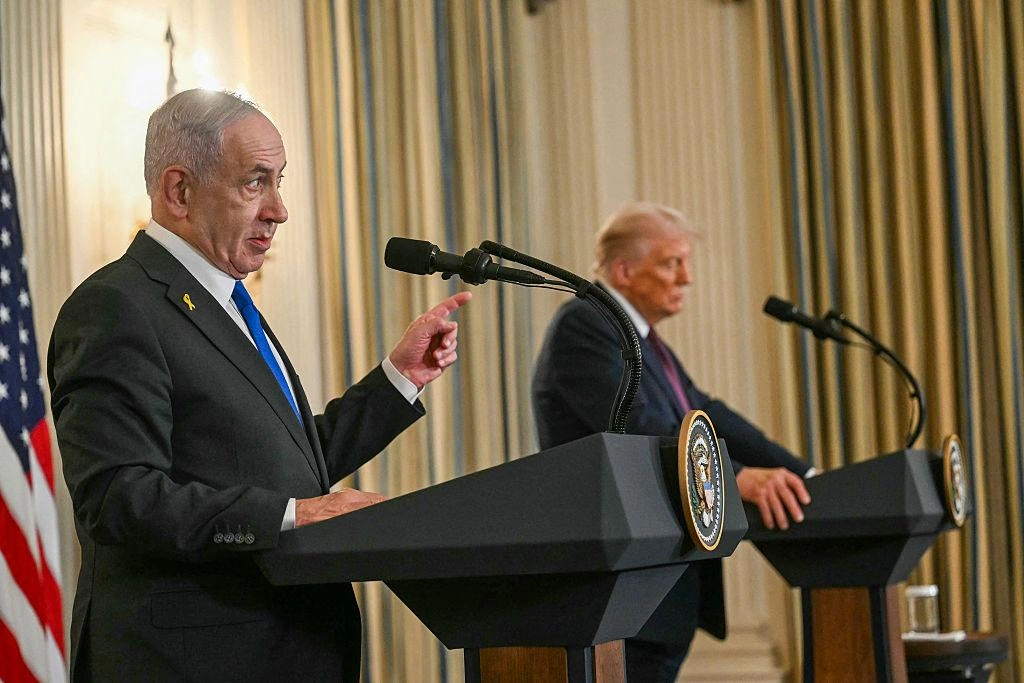
Israel-Iran War: Netanyahu Says Israel “Acted Alone” on Gas Strike as Trump Signals Disagreement
The ongoing conflict between Israel and Iran has taken a dramatic turn—not just on the battlefield, but also politically. Israeli Prime Minister Benjamin Netanyahu has confirmed that Israel acted independently in striking Iran’s South Pars gas field, a move that has triggered both regional escalation and an unexpected response from its closest ally.
In a rare public divergence, US President Donald Trump openly opposed the strike and revealed that he had urged Israel not to target such critical energy infrastructure.
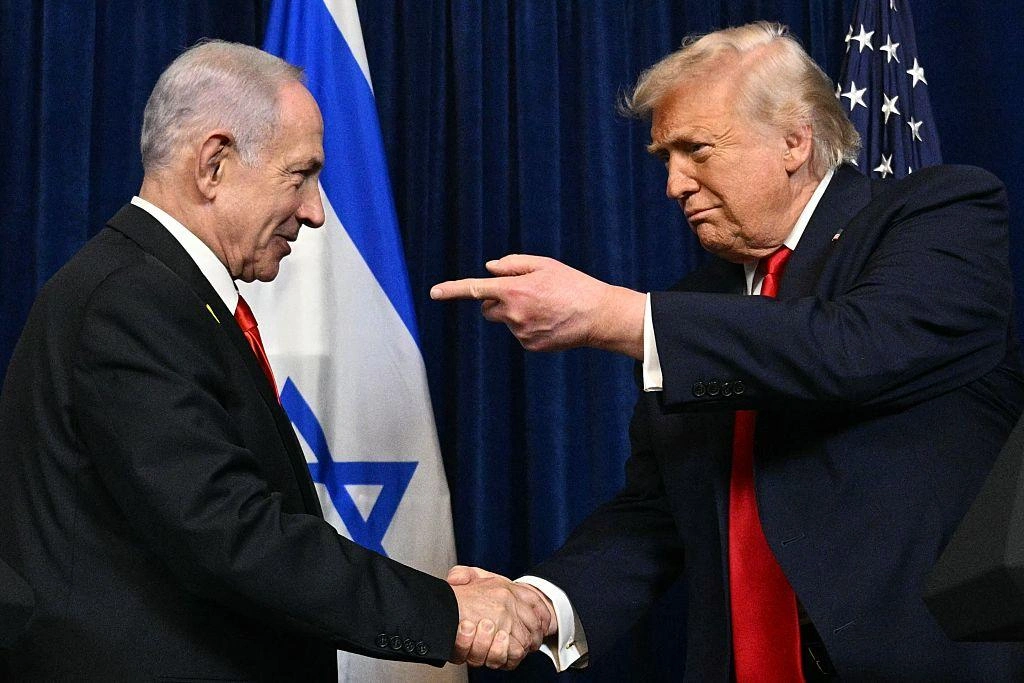
This moment is more than just another war update—it signals tension at the highest level of alliance politics during one of the most volatile conflicts in recent years.
The South Pars Strike That Changed the Tone
The strike on South Pars, the world’s largest natural gas field shared between Iran and Qatar, has become a defining moment in the conflict.
South Pars is not just an Iranian asset—it is a global energy lifeline. Any damage or threat to it sends immediate shockwaves through international markets.
Israel’s decision to target the site appears to have been driven by strategic calculations aimed at weakening Iran’s economic backbone.
But the move has also raised serious concerns about unintended consequences.
Energy infrastructure is different from military targets—it connects economies, affects civilians and has global implications.
Netanyahu’s Stand: “We Acted Alone”
Netanyahu made it clear that Israel did not coordinate the strike with Washington.
By saying Israel “acted alone,” he signaled two things at once.
First, that Israel retains operational independence even in a joint conflict.
Second, that it is willing to take risks that even its closest allies may hesitate to endorse.
The statement carries weight. It suggests that Israel is prepared to escalate strategically if it believes its national security is at stake, regardless of diplomatic discomfort.
Trump’s Warning: A Strategic Disagreement
Trump’s response has added another layer of complexity to the situation.
By publicly stating that he opposed the strike and had advised against it, he has revealed a rare crack in the US-Israel alignment.
Such disagreements are usually handled behind closed doors.
Making it public sends a message—not just to Israel, but to the world.
It suggests that the United States is concerned about the broader consequences of targeting energy infrastructure.
Trump’s stance reflects a more cautious approach, particularly given the global economic risks tied to energy markets.
Why This Disagreement Matters
At first glance, this may seem like a minor difference in strategy.
But in geopolitical terms, it is significant.
The US and Israel have long presented a united front in regional conflicts.
A visible difference in approach can influence how other countries respond.
It may embolden Iran, complicate diplomatic efforts and create uncertainty among allies.
In war, perception matters almost as much as action.
Timeline of the Conflict So Far
The current war began on February 28, when joint US-Israeli operations targeted Iranian military and strategic sites.
Since then, the conflict has evolved rapidly.
Initial strikes focused on military infrastructure.
Iran responded with missile and drone attacks.
Tensions escalated further with threats to shipping routes and energy supplies.
The South Pars strike marks a shift toward targeting economic infrastructure, raising the stakes significantly.
Energy Becomes the New Battlefield
One of the most striking aspects of this conflict is how energy has moved to the center of the battlefield.
Oil fields, gas facilities and shipping routes are no longer just economic assets—they are strategic targets.
The attack on South Pars and subsequent threats to other Gulf energy sites highlight this shift.
When energy infrastructure is targeted, the impact goes beyond the region.
It affects fuel prices, supply chains and economies worldwide.
Global Market Reactions
Markets reacted almost instantly to the news of the strike.
Oil prices surged as traders anticipated potential supply disruptions.
Gas markets also showed signs of volatility.
Investors are now factoring in not just military developments, but also the risk to critical energy infrastructure.
This creates a cycle where geopolitical tension feeds economic uncertainty.
Iran’s Response and Regional Fallout
Iran has not remained silent.
The warning to Gulf nations and subsequent actions indicate that Tehran is willing to expand the conflict if provoked.
This increases the risk of a wider regional confrontation.
Countries in the Gulf are now on high alert, particularly those with major energy installations.
The situation has become a delicate balance between deterrence and escalation.
Strategic Calculations Behind the Strike
Israel’s decision to target South Pars was likely not impulsive.
It reflects a calculated move to pressure Iran economically.
Energy revenues are a key pillar of Iran’s economy.
Disrupting them can weaken its ability to sustain prolonged conflict.
However, such strategies come with risks.
They can provoke stronger retaliation and draw more players into the conflict.
Diplomatic Challenges Ahead
The disagreement between Washington and Tel Aviv complicates diplomatic efforts.
Negotiations become harder when allies are not fully aligned.
Other global powers may attempt to step in, either to mediate or to influence outcomes.
The situation requires careful handling to prevent further escalation.
What This Means for the Future
The events surrounding the South Pars strike suggest that the conflict is entering a more unpredictable phase.
Military actions are expanding beyond traditional targets.
Political alignment is showing signs of strain.
Economic consequences are becoming more pronounced.
All these factors point to a conflict that is no longer contained.
A War That Is Getting Harder to Control
What makes this moment particularly significant is not just the strike itself, but what it represents.
A shift in strategy.
A visible disagreement between allies.
A growing risk to global energy security.
The war is no longer just about territory or military strength.
It is about influence, resources and the ability to shape outcomes in a rapidly changing world.
As the situation continues to unfold, one thing is clear—the stakes are rising, and the margin for error is shrinking.
Click Here to subscribe to our newsletters and get the latest updates directly to your inbox.