
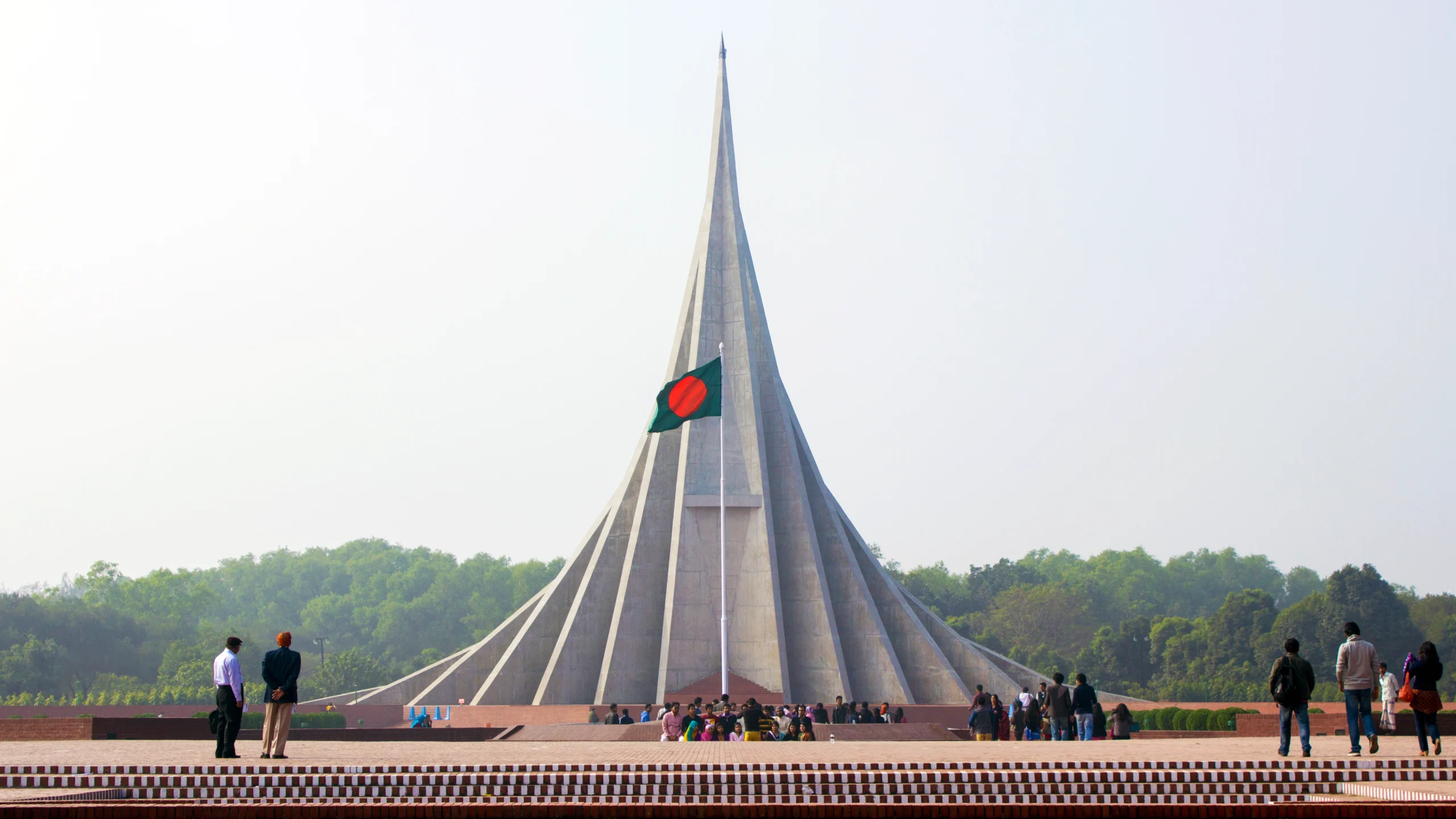
Bangladesh Genocide Day 2026: Tarique Rahman Remembers 1971 “Pre-Planned Massacre”
Bangladesh Genocide Day 2026 has once again brought back painful memories of one of South Asia’s darkest chapters. On March 25, Prime Minister Tarique Rahman paid tribute to the victims of the 1971 genocide, calling it a “pre-planned massacre” carried out by Pakistani forces under Operation Searchlight.
The day marks the beginning of a brutal military crackdown in 1971, when unarmed civilians in the then East Pakistan (now Bangladesh) were targeted in a systematic campaign of violence. Every year, Bangladesh observes this day to honor the victims and remind future generations about the cost of independence.

Rahman emphasized that understanding history is not optional—it is essential for shaping a nation’s identity and protecting its future.
What Happened on March 25, 1971
The events of March 25, 1971, were not spontaneous. They were part of a calculated military operation launched by Pakistan to suppress the growing demand for autonomy in East Pakistan.
At midnight, Pakistani troops initiated Operation Searchlight in Dhaka and other major cities. The crackdown targeted students, intellectuals, political activists, and ordinary civilians. Universities, including Dhaka University, became primary targets, where mass killings were reported.
The violence spread rapidly across the region. Villages were burned, and countless families were displaced overnight. The scale and coordination of the attacks led many historians and global observers to describe it as genocide.
Tarique Rahman’s Statement on Genocide Day
Prime Minister Tarique Rahman, addressing the nation, highlighted the importance of remembering what he described as a “pre-planned massacre.” As the leader of the Bangladesh Nationalist Party (BNP), he urged younger generations to learn about the events of 1971 and understand the sacrifices made for independence.
He stressed that the value of independence goes beyond political freedom—it represents the resilience and identity of the Bangladeshi people. According to Rahman, forgetting such history risks weakening national unity and awareness.
His remarks come at a time when discussions around historical narratives and national identity continue to shape political discourse in Bangladesh.
The 1971 Bangladesh Liberation War: A Brief Overview
The genocide marked the beginning of the Bangladesh Liberation War, which lasted for nine months. The conflict saw widespread violence, mass displacement, and one of the largest refugee crises in the region.
India eventually intervened in support of Bangladesh’s freedom fighters. The war concluded on December 16, 1971, when Pakistani forces surrendered in Dhaka.
Official estimates suggest that around three million people lost their lives during the conflict, although figures vary depending on sources. The war also saw large-scale human rights violations, including widespread atrocities against civilians.
Why the Term “Genocide” Is Used
The use of the word “genocide” is significant and often debated internationally. Bangladesh officially recognizes the events of March 25, 1971, as genocide due to the systematic targeting of a specific population.
Scholars and researchers point to several factors that support this classification: organized military action, targeted killings of intellectuals and minorities, and the scale of civilian deaths.
However, not all countries have formally recognized the events as genocide, making it a continuing topic in global political and academic discussions.
Impact on Modern Bangladesh
The legacy of 1971 continues to shape Bangladesh’s political, cultural, and social identity. Genocide Day serves not only as a memorial but also as a reminder of the country’s struggle for sovereignty.
Educational programs, public discussions, and memorial events are organized each year to keep the memory alive. For many Bangladeshis, March 25 is not just a historical date—it is a symbol of resilience and sacrifice.
Rahman’s message this year reinforces the idea that history must be preserved accurately and passed on responsibly.
Latest global news updates: 👉 valleynewz.com