

SEBI Probes HDFC Bank Exit: Why Atanu Chakraborty’s Resignation Is Raising Big Questions
India’s market regulator, Securities and Exchange Board of India, has initiated a review into the resignation of Atanu Chakraborty, the former part-time chairman of HDFC Bank. The move has drawn significant attention across the financial sector, as it raises concerns about corporate governance and ethical standards within one of India’s largest banks.
According to sources, this is currently a preliminary inquiry aimed at examining whether any regulatory violations occurred in connection with Chakraborty’s resignation. The review will focus on the claims made in his resignation letter and whether they point to any breach of rules governing directors of listed companies.
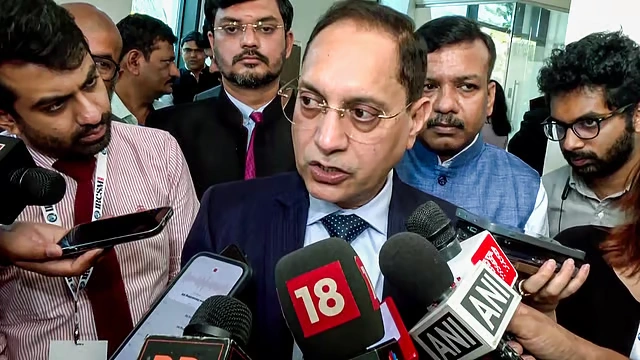
The development comes at a time when regulatory scrutiny over corporate governance practices is increasing in India’s banking and financial sectors.
What Triggered the Investigation
Atanu Chakraborty stepped down from his position last week, citing concerns related to “personal values and ethics.” In his resignation letter addressed to the chairman of the bank’s Governance, Nomination, and Remuneration Committee, he stated that certain practices within the bank over the past two years were not aligned with his ethical standards.
This statement immediately raised questions about what those “practices” might be, prompting regulatory attention.
However, in an official exchange filing, HDFC Bank clarified that Chakraborty did not specifically mention any incidents or actions that were inconsistent with his stated values. This contrast between the resignation letter and the bank’s clarification has become a key point of focus for regulators.
SEBI’s Focus: Governance and Compliance
SEBI’s investigation is expected to examine multiple aspects of the case, including whether the resignation indicates any lapses in governance or disclosure requirements.
Tuhin Kanta Pandey recently emphasized the responsibility of independent directors to act with accountability and avoid making vague or unsubstantiated claims. His remarks, made shortly after the resignation became public, suggest that the regulator is taking the matter seriously.
Independent directors play a critical role in ensuring transparency and protecting shareholder interests. Any concerns raised by such individuals are typically scrutinized closely, especially when they involve ethics and governance.
SEBI’s review aims to establish whether the resignation reflects a deeper issue or simply a personal decision without regulatory implications.
Why This Case Matters for Investors
The situation is significant not just for HDFC Bank but for the broader financial market. Leadership exits linked to ethical concerns can impact investor confidence, especially when details remain unclear.
HDFC Bank is one of India’s most prominent private sector banks, with a strong reputation for stability and governance. Any uncertainty surrounding its leadership or internal practices can influence market sentiment.
For investors, transparency is key. Even the perception of governance issues can lead to cautious behavior in the market, affecting stock performance and long-term trust.
Silence from Both Sides Raises More Questions
Despite the growing attention, both SEBI and HDFC Bank have not provided detailed responses to media queries regarding the issue. This lack of clarity has added to the speculation.
The absence of specific allegations in Chakraborty’s resignation letter further complicates the situation. Without concrete details, it becomes difficult to determine whether the concerns are systemic or personal.
At the same time, SEBI’s decision to initiate a review indicates that the regulator considers the matter serious enough to warrant investigation.
Broader Implications for Corporate Governance in India
This case highlights the increasing importance of corporate governance in India’s financial ecosystem. Regulators are placing greater emphasis on accountability, transparency, and ethical conduct at the highest levels of management.
For independent directors, the situation underscores the need to communicate concerns clearly and responsibly. Vague statements can create uncertainty and trigger regulatory scrutiny, even in the absence of concrete violations.
For companies, it serves as a reminder to maintain strong governance frameworks and ensure that internal practices align with both regulatory standards and ethical expectations.
What Happens Next
SEBI’s preliminary inquiry is expected to examine all available information, including internal communications, board records, and the resignation letter itself. The regulator will determine whether any violations occurred and whether further action is necessary.
The outcome of this review will be closely watched by investors, analysts, and industry experts. It could set a precedent for how similar cases are handled in the future.
For now, the focus remains on uncovering the facts and understanding the context behind Chakraborty’s decision to step down.
The Bigger Picture
The resignation of a senior figure like Atanu Chakraborty and the subsequent regulatory probe highlight how sensitive issues of ethics and governance have become in today’s financial environment.
Even without explicit allegations, such developments can have wide-ranging implications. They influence not just the company involved but also broader perceptions of corporate integrity in the market.
As SEBI continues its review, the findings will play a crucial role in shaping the narrative around this case—and potentially redefining expectations for corporate governance in India’s banking sector.
SEBI Reviewing Proposal to Allow FPIs in Non-Cash,
Click Here to subscribe to our newsletters and get the latest updates directly to your inbox.