
War at the Gulf’s Doorstep: Drones Shot Down in Kuwait, Iran Strike Hits Bahrain Plant—What’s Happening Now
The West Asia conflict has entered its 30th day, with tensions intensifying across the Gulf region. In a significant development, Kuwait confirmed that it intercepted and destroyed four drones, highlighting the growing reach of the conflict beyond primary war zones.
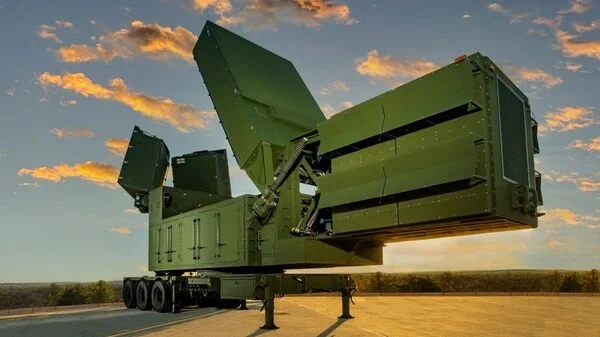
According to the Kuwaiti National Guard, the drones were neutralized by a specialized task force operating in a secured area. The country’s armed forces also warned that any explosions heard in the region were a result of active air defense systems responding to “hostile missile and drone threats.”
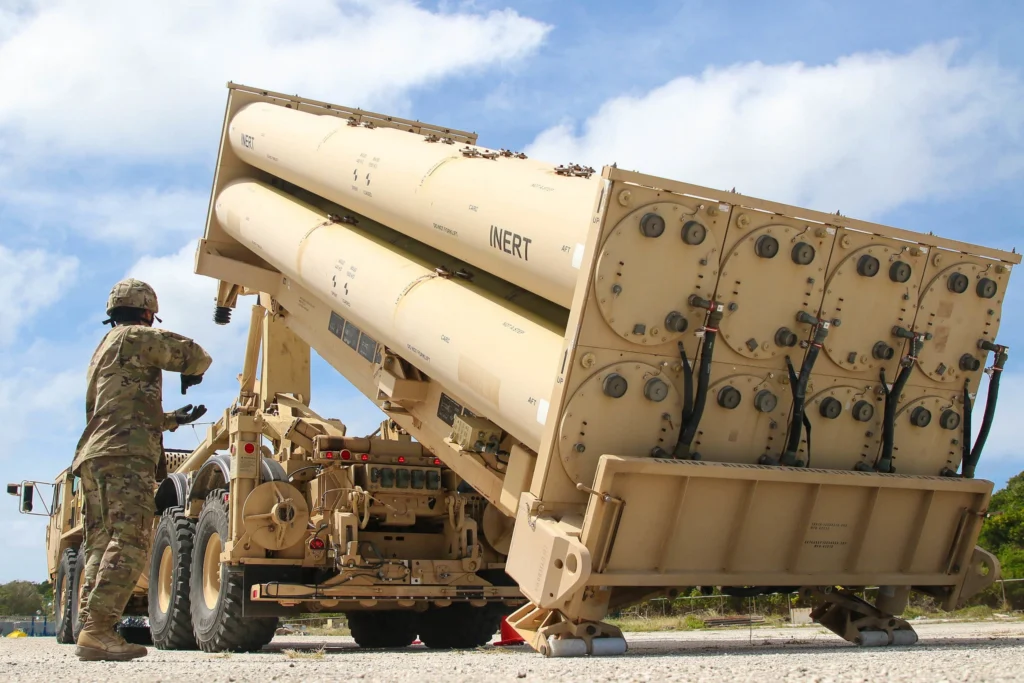
This marks a critical escalation, as Gulf nations that were previously on the periphery of the conflict are now directly engaging with airborne threats.
Kuwait’s Air Defence Response Signals Rising Threat
Kuwait’s swift response underscores the seriousness of the situation. The interception of drones suggests that hostile elements are testing or targeting strategic locations within the Gulf.
The Kuwaiti military’s public communication indicates a state of high alert, with defense systems actively monitoring and neutralizing threats. By confirming that explosions were linked to interception efforts, authorities aimed to prevent panic among residents.
This development also reflects a broader shift in modern warfare, where drones have become a primary tool for both surveillance and attacks, capable of bypassing traditional defense mechanisms.
Iran-Linked Strike Hits Bahrain’s Key Industrial Facility
In another major incident, an Iran-linked attack targeted the Aluminium Bahrain (Alba) smelter, one of the region’s most important industrial facilities. The strike resulted in injuries to two workers, according to official reports.
The company confirmed that both employees sustained minor injuries and emphasized that the safety of its workforce remains its top priority. An assessment of the damage is currently underway.
The attack on a key industrial asset signals a widening scope of the conflict, moving beyond military targets to include economic infrastructure. This raises concerns about potential disruptions to production and supply chains in the region.
Why the Bahrain Attack Matters Economically
The Aluminium Bahrain facility is a critical player in the global aluminum supply chain. Any disruption to its operations can have ripple effects across industries, including construction, automotive, and manufacturing.
The attack highlights the economic dimension of the conflict. Targeting industrial infrastructure not only causes immediate damage but also creates uncertainty in global markets.
Energy and commodity prices are particularly sensitive to developments in the Gulf. Even limited disruptions can lead to price volatility, affecting economies worldwide.
For investors and businesses, the situation adds another layer of risk, especially in sectors dependent on stable supply chains.
Expanding Conflict Zone Raises Regional Concerns
The incidents in Kuwait and Bahrain indicate that the conflict is no longer confined to a single geographic area. Instead, it is spreading across multiple countries in the Gulf region.
This expansion increases the complexity of the situation, as more nations become directly involved or affected. It also raises the risk of further escalation, with potential implications for regional stability.
Countries in the Gulf are now balancing internal security with broader geopolitical considerations, as they respond to emerging threats while maintaining economic stability.
Impact on Global Energy and Trade Routes
The Gulf region plays a central role in global energy supply, with key shipping routes passing through nearby waters. Any escalation in conflict can disrupt these routes, affecting oil and gas exports.
The Strait of Hormuz, in particular, remains a critical chokepoint. Increased military activity and security concerns can lead to delays, higher shipping costs, and potential supply disruptions.
For countries like India, which rely heavily on energy imports from the region, these developments are closely monitored. Ensuring the safe passage of shipments is essential to maintaining domestic energy security.
What Happens Next
As the conflict enters its fourth week, the focus is shifting toward containment and prevention of further escalation. Diplomatic efforts may intensify, but the situation on the ground remains volatile.
Kuwait’s successful interception of drones demonstrates the effectiveness of defensive measures, but it also highlights the persistent threat posed by unmanned aerial systems.
Meanwhile, the attack on Bahrain’s industrial facility underscores the potential for economic targets to become part of the conflict.
The coming days will be crucial in determining whether tensions stabilize or continue to escalate, with implications that extend far beyond the Gulf region.
The Bigger Picture
The latest developments reflect a changing nature of conflict in West Asia, where traditional warfare is increasingly combined with drone attacks and strikes on economic infrastructure.
For governments, businesses, and individuals, the stakes are rising. Security, economic stability, and global trade are all interconnected in this evolving situation.
As events continue to unfold, the Gulf region remains at the center of global attention, with each new development carrying significant geopolitical and economic consequences.
Follow us for more news at Valleynewz.com