
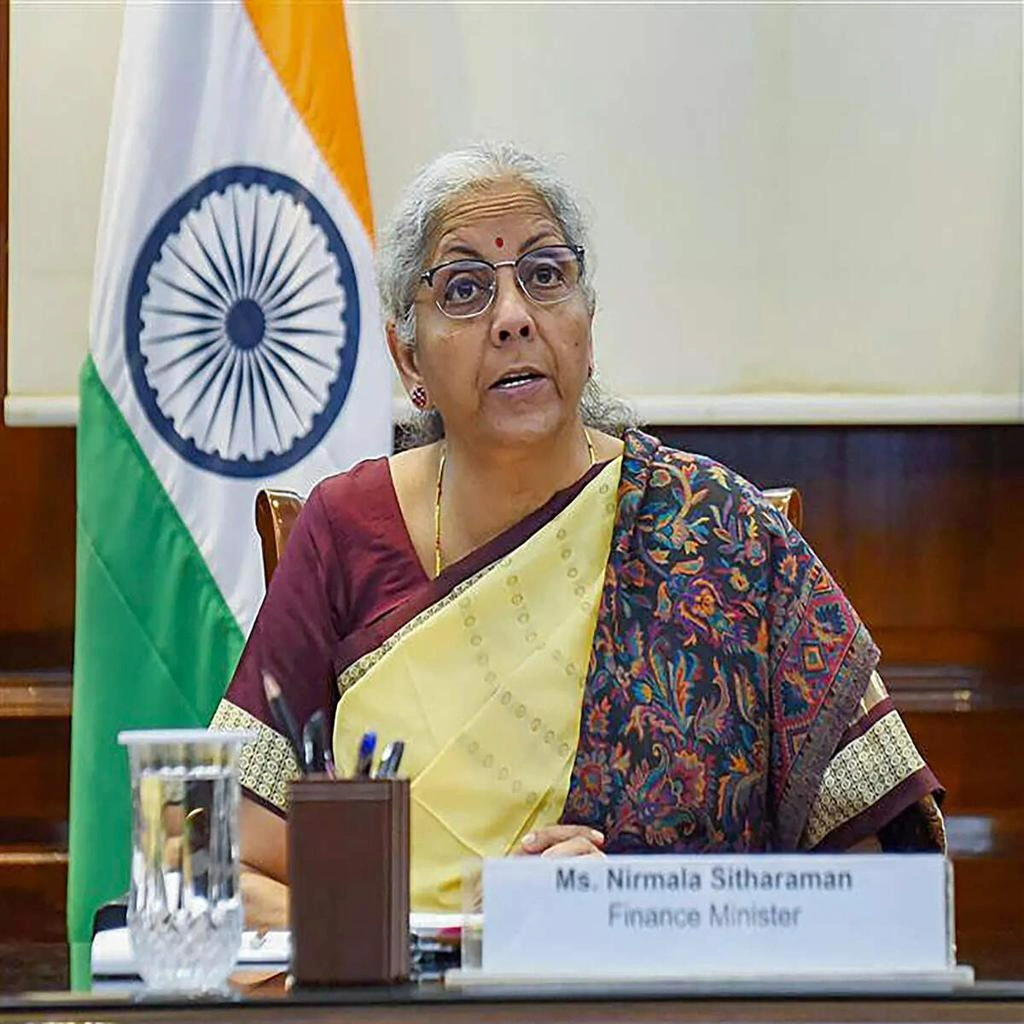
Nirmala Sitharaman Defends Indian Economy, Warns Against ‘Fear-Mongering’ Amid Global Crisis
India’s Finance Minister Nirmala Sitharaman has strongly defended the country’s economic position amid rising global uncertainty, warning against what she described as “fear-mongering” narratives surrounding the Indian economy.
Speaking at the 37th Foundation Day event of the Small Industries Development Bank of India (SIDBI) in Mumbai, Sitharaman said criticism of India’s economic condition was creating unnecessary pessimism at a time when the country is dealing with major global disruptions triggered by the ongoing West Asia crisis.
The finance minister emphasized that India’s challenges are largely external rather than domestic and argued that the country’s economic fundamentals remain resilient despite rising pressure from international energy and commodity markets.
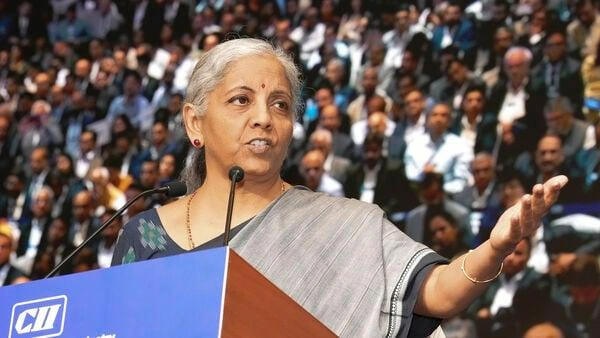
Her comments come as India faces mounting economic stress caused by volatile crude oil prices, fertilizer inflation, and growing pressure on foreign exchange reserves.
Sitharaman Highlights the “3Fs”
During her speech, Sitharaman repeatedly stressed the importance of what she called the “3Fs”:
- Fuel
- Fertiliser
- Foreign exchange
According to the Finance Minister, these three factors are currently central to understanding India’s economic challenges.
She clarified that Prime Minister Narendra Modi’s earlier appeals to conserve foreign exchange should be understood within this broader context rather than interpreted as a sign of economic weakness.
“We should please understand the context of these three Fs,” Sitharaman said during the SIDBI event.
She explained that rising global fuel costs, sharp increases in fertilizer prices, and higher gold imports are placing pressure on India’s external economic position.
However, she insisted that India’s domestic economic situation remains “positive and resilient.”
West Asia Crisis Driving External Pressure
The Finance Minister’s remarks come during one of the most unstable periods in global energy markets in recent years.
The continuing conflict in West Asia, particularly tensions involving Iran and disruptions around the Strait of Hormuz, has sharply increased:
- Crude oil prices
- Shipping costs
- Energy import bills
- Commodity inflation
India, which imports a significant portion of its crude oil requirements, remains highly vulnerable to global energy disruptions.
This has already contributed to:
- Rising fuel prices
- Higher wholesale inflation
- Pressure on oil marketing companies
- Concerns about inflation spillover
Sitharaman argued that these pressures are global in nature and not unique to India.
Fuel and Fertiliser Costs Become Major Concern
One of the finance minister’s biggest concerns appears to be the rapid increase in fertilizer prices globally.
India heavily subsidizes fertilizers for the agriculture sector, making international price spikes financially challenging for the government.
At the same time, elevated crude oil prices are increasing the country’s import burden and widening pressure on external balances.
The finance minister described the increase in fertilizer costs as “unimaginable,” reflecting how severe global commodity inflation has become due to ongoing geopolitical instability.
These pressures are forcing policymakers to balance the following:
- Inflation control
- Fiscal spending
- Currency stability
- Economic growth
all at the same time.
Foreign Exchange and Gold Imports Under Spotlight
Sitharaman also specifically mentioned foreign exchange concerns linked to gold purchases.
India remains one of the world’s largest gold-consuming countries, and high levels of gold imports can place additional pressure on foreign exchange reserves during periods of economic stress.
The government appears increasingly focused on managing external account stability as energy imports become more expensive globally.
Analysts believe the Finance Minister’s remarks signal growing awareness within the government about protecting India’s macroeconomic stability if global volatility continues.
Government Defending India’s Economic Narrative
The Finance Minister’s speech also carried a strong political message.
Sitharaman accused critics of building a “cynical narrative” around the Indian economy and suggested that such commentary could damage confidence unnecessarily.
“India cannot afford fear-mongering,” she said.
The remarks reflect a broader effort by the government to maintain confidence among the following:
- Investors
- Businesses
- Financial markets
- Consumers
during a period of elevated global uncertainty.
Officials have repeatedly emphasized that India remains one of the fastest-growing major economies despite international headwinds.
Public Reaction Mixed Across Economic Circles
Public and expert reactions to Sitharaman’s comments have been divided.
Supporters of the government argued that India’s economy has indeed shown resilience despite severe global disruptions involving:
- Supply chains
- Energy markets
- Geopolitical conflicts
- Inflation
Many economists agree that a large portion of the current pressure is externally driven rather than caused by domestic structural weakness.
However, critics argued that rising fuel prices, inflation, and unemployment concerns are already affecting ordinary households significantly.
Some opposition voices accused the government of downplaying real economic difficulties being faced by consumers and businesses.
India Still Growing Faster Than Many Major Economies
Despite ongoing challenges, India continues maintaining relatively strong growth compared to several advanced economies struggling with stagnation and inflation.
The government has highlighted:
- Strong domestic demand
- Infrastructure investment
- Manufacturing growth
- Digital economy expansion
- Financial sector stability
as major strengths supporting the economy.
International institutions have also continued projecting India among the faster-growing major economies globally, although inflation and external account risks remain closely monitored.
Global Uncertainty Continues Affecting Policy Decisions
The Finance Minister’s speech reflects how deeply global instability is now shaping economic policymaking.
Modern economies are increasingly interconnected, meaning geopolitical conflicts can rapidly affect the following:
- Energy costs
- Currency stability
- Inflation
- Trade flows
- Consumer confidence
For India, energy dependency remains one of the biggest vulnerabilities during periods of international crisis.
That is why policymakers are now placing greater focus on:
- Energy diversification
- Renewable investments
- Domestic manufacturing
- Strategic reserves
- Foreign exchange management
The Bigger Economic Message
Beyond politics, Sitharaman’s remarks reveal a larger concern:
maintaining economic confidence during uncertain times.
Financial systems often react as much to sentiment as to hard data.
Governments therefore try to avoid panic narratives that could:
- Reduce investment confidence
- Trigger currency pressure
- Increase market volatility
- Slow consumer spending
The Finance Minister’s speech appears aimed partly at stabilizing sentiment as global uncertainty remains elevated.
Final Thoughts
Nirmala Sitharaman’s defense of the Indian economy highlights the difficult balancing act facing policymakers right now.
India is dealing with real external pressures driven by the following:
- Rising oil prices
- Fertilizer inflation
- Foreign exchange concerns
- Global geopolitical instability
At the same time, the government wants to prevent those challenges from turning into broader economic pessimism.
Whether optimism or caution proves more accurate may ultimately depend on how long global energy disruptions and geopolitical tensions continue.
For now, India’s economy remains resilient—but it is also navigating one of the most uncertain global environments in recent years.
Click Here to subscribe to our newsletters and get the latest updates directly to your inbox.