

SEBI Plans Major Debt Market Reforms as Tuhin Kanta Pandey Pushes for Retail-Friendly Bond Investments
The Securities and Exchange Board of India (SEBI) is preparing a major overhaul of India’s debt market ecosystem as regulators look to deepen corporate bond markets, improve retail participation, and modernize market infrastructure.
Speaking at the CareEdge Ratings Debt Summit in Mumbai, SEBI Chairman Tuhin Kanta Pandey said the regulator is currently evaluating multiple reforms designed to simplify debt market participation and make bond investing more accessible to ordinary investors.
Pandey described the corporate bond market as the economy’s “second engine” for credit growth, stressing that India cannot continue depending primarily on bank-led financing if it wants to sustain long-term economic expansion.
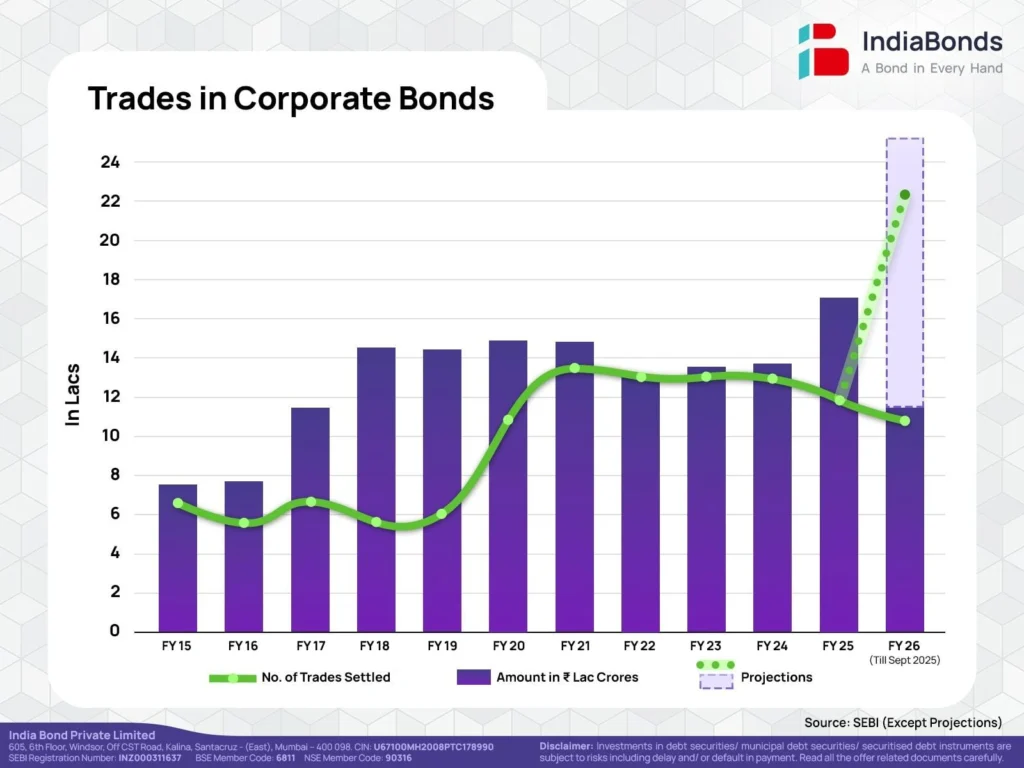
His remarks come at a time when global uncertainty, inflation risks, and geopolitical tensions are pushing investors toward debt instruments and safer fixed-income assets.
Why SEBI Wants a Stronger Bond Market
India’s financial system has historically relied heavily on banks for business financing.
While banks remain central to the economy, regulators increasingly believe the country needs a much deeper corporate bond market to support:
- Infrastructure projects
- Long-term industrial expansion
- Refinancing needs
- Municipal financing
- Private sector growth
According to Pandey, a growing economy requires “patient debt capital” capable of funding long-gestation projects that may not fit traditional bank lending structures easily.
He also emphasized the importance of improving price discovery across different credit categories and borrowing tenures.
This reflects a broader effort to diversify India’s financial architecture beyond traditional banking systems.
Bond Tokenization Pilot Could Be a Major Shift
One of the most closely watched announcements from the SEBI Chairman involved the regulator’s plans to explore tokenization of corporate bonds.
Under the proposed pilot framework, traditional corporate bonds could potentially be converted into smaller digital tokens, making them easier to buy, trade and access for retail investors.
The concept is similar to fractional ownership systems increasingly being explored globally across finance and digital assets.
Pandey said the pilot would evaluate whether tokenization could improve:
- Settlement speed
- Transparency
- Traceability
- Automated servicing
- Accessibility
“We must move carefully — but we must remain open to useful innovation,” the SEBI Chairman said.
The proposal reflects how regulators worldwide are beginning to explore blockchain-linked financial infrastructure without fully embracing speculative cryptocurrency models.
Retail Investors Could Benefit Significantly
One of the biggest barriers in India’s bond market today is accessibility.
Corporate bond investments are still dominated largely by institutional players because:
- Entry sizes are high
- Market awareness is limited
- Liquidity remains uneven
- Retail distribution is weak
Tokenization and smaller investment structures could potentially allow ordinary investors to participate in bond markets with much lower ticket sizes.
That could eventually make fixed-income investing more mainstream for Indian households traditionally dependent on:
- Bank deposits
- Gold
- Real estate
- Equities
Industry experts say this may become one of the most important long-term financial inclusion reforms if implemented carefully.
SEBI Also Exploring Separate Debt Broker Category
Another major proposal under consideration is the creation of a distinct regulatory framework for debt brokers.
Currently, much of India’s financial intermediary ecosystem is structured around equity markets.
SEBI now appears interested in building dedicated debt-market intermediaries that specialize specifically in bond products.
According to Pandey, such a framework could:
- Reduce entry barriers
- Lower transaction costs
- Improve market efficiency
- Encourage specialized participation
This could help create a more mature debt-market ecosystem similar to developed financial markets where bonds play a far larger role in financing economic activity.
Bond ETFs and Derivatives Also Under Focus
SEBI is additionally working on expanding:
- Bond exchange-traded funds (ETFs)
- Corporate bond index derivatives
- Interest-rate hedging tools
These products are important because they help improve market liquidity and provide investors with more flexible ways to manage risk.
Pandey highlighted how geopolitical tensions and inflation uncertainty have increased demand for hedging instruments in recent months.
As the West Asia conflict continues affecting global markets, many investors have moved more aggressively toward debt products and interest-rate protection strategies.
Overnight index swaps and similar derivatives are seeing increased attention because markets are preparing for potential future interest-rate changes.
Geopolitical Risks Increasing Interest in Debt Markets
The timing of SEBI’s reform discussions is significant.
Global geopolitical instability, rising oil prices and inflation concerns are increasing investor interest in relatively safer debt instruments compared to volatile equity markets.
The ongoing West Asia crisis has already:
- Increased inflation concerns
- Pressured global markets
- Raised fuel prices
- Triggered interest-rate speculation
As uncertainty rises, debt markets often become increasingly important for:
- Capital preservation
- Institutional risk management
- Portfolio diversification
This is one reason regulators are accelerating discussions around debt market development now.
Municipal Bonds Also Becoming Important
Pandey also emphasized the need to deepen India’s municipal bond market.
Municipal bonds allow local governments and urban authorities to raise funds directly from capital markets for infrastructure projects such as:
- Roads
- Water systems
- Public transportation
- Urban development
India’s municipal bond ecosystem remains relatively underdeveloped compared to global standards.
Expanding it could help finance the country’s rapid urbanization needs without overburdening traditional government financing channels.
Retail Awareness Remains a Major Challenge
Despite the reforms being discussed, one of the biggest challenges remains public awareness.
Most Indian retail investors still have limited familiarity with corporate bond investing compared to equities or fixed deposits.
SEBI therefore plans to increase bond market education campaigns aimed at retail audiences.
Financial literacy will likely play a critical role if regulators want broader retail participation in debt markets to succeed.
Without stronger investor understanding, even technologically advanced reforms may struggle to achieve widespread adoption.
Public and Industry Reaction Mostly Positive
Market participants and financial analysts largely reacted positively to Pandey’s comments.
Many industry experts believe India’s bond market has enormous untapped potential and could become one of the country’s most important financing engines over the next decade.
The possibility of bond tokenization particularly generated strong interest among fintech and capital market professionals.
However, some experts also warned that tokenization must be implemented carefully to avoid:
- Regulatory loopholes
- Liquidity fragmentation
- Operational complexity
- Retail investor confusion
The balance between innovation and investor protection will remain critical.
The Bigger Financial Transformation
SEBI’s latest discussions reveal a broader transformation happening in Indian finance.
The country is increasingly moving toward:
- Diversified capital markets
- Digital financial infrastructure
- Retail participation expansion
- Alternative financing systems
Rather than relying overwhelmingly on traditional banking alone.
This shift could fundamentally reshape how Indian businesses raise capital in the future.
Final Thoughts
SEBI’s proposed debt market reforms may eventually become one of the biggest structural changes in India’s financial ecosystem.
From bond tokenization and dedicated debt brokers to municipal bond expansion and retail investor access, regulators appear determined to modernize how debt capital flows through the economy.
The larger goal is clear:
build a deeper, more transparent, and more accessible bond market capable of supporting India’s long-term economic growth.
If implemented successfully, these reforms could significantly expand investment opportunities while reducing the economy’s overdependence on traditional bank financing.
Click Here to subscribe to our newsletters and get the latest updates directly to your inbox.